Forgiveness and Reconciliation Spells to Mend a Broken Bond
There is a particular kind of quiet that settles into a house after a fight. It is not peace. It is the space where peace used to be, waiting to be filled again. This is where forgiveness and reconciliation spells begin, in that uneasy quiet, helping to soften what has hardened between two people.
Maybe you spoke out of turn and now need to be forgiven. Maybe someone hurt you, and forgiveness has not come easily, no matter how much you want it to. Either way, you already know that an apology alone does not always clear the air. Something has to move. Something has to be released before the bond can knit itself back together.
Rootworkers have long treated forgiveness as spiritual work, not just a feeling you wait for. In Hoodoo tradition, a rift between two people is called a crossed condition. It is a snag in the natural flow between them, and it needs to be worked loose with intention, herbs, and prayer. In Latin folk Catholic practice, the same instinct shows up differently, through candles lit before a saint known for mending broken bonds, and prayers spoken with reconciliation in mind.
Both traditions agree on something simple. Reconciliation rarely happens by accident. It is built, one small act of intention at a time.
The History of Forgiveness and Reconciliation Spells
In Hoodoo rootwork, reconciliation falls under what practitioners call sweetening work. These are rituals meant to soften a hard situation and draw two people back toward warmth. Honey, sugar, and gentle herbs like rosemary and myrtle appear again and again in this kind of conjure. They are not just decoration. Sweetness has long been treated as a real spiritual force, something that can change the tone of a relationship much like it changes the taste of tea.
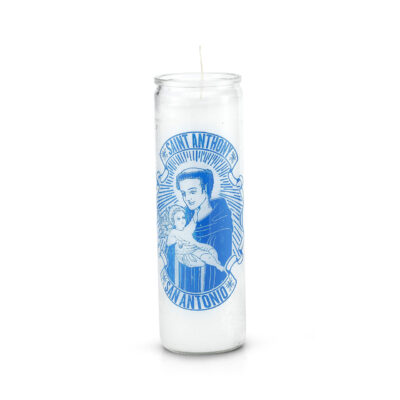
Latin folk Catholic tradition holds its own answer to a broken bond. Saint Anthony is best known for helping people find what has been lost. For generations, that has included lost closeness between two people who once cared for each other. Devotion to the Sacred Heart of Jesus carries a similar thread, since mercy sits at the center of that image. Neither tradition asks you to pretend the hurt did not happen. Both simply offer a way through it.
How to Prepare for a Forgiveness or Reconciliation Ritual
Reconciliation work asks something of you that other rituals do not. It asks for honesty about your own part in what happened. Before lighting a single candle, sit with the situation for a moment. Are you asking to be forgiven, offering forgiveness, or hoping to draw someone back toward you? Each ritual below serves a slightly different need, so knowing which one fits will help you choose with intention.
Clear a small space to work in, even if it is just a corner of a table. A cluttered space tends to hold onto the same tension you are trying to release. A few minutes of tidying beforehand help signal to yourself that you are ready to begin something new.
The Two Candles: A Petition for Forgiveness
This ritual comes from an old conjure practice built on patience rather than force. Instead of asking for forgiveness all at once, you work toward it gradually, day by day, letting the distance between two candles close the way the distance between two people closes.
You will need the following components to perform this ritual.
- Two white image candles (one to represent you, one to represent the other person)
- Rosemary Oil, for memory and renewal
- A small dish or fireproof vessel
- A pinch of Coriander Seed
- A pink or white altar cloth to set beneath the candles
Anoint both candles lightly with Rosemary Oil, working from the center outward toward each end, and as you do, speak plainly about what you hope to mend. Set the candles about seven inches apart on the cloth, with the coriander scattered lightly between them. Light the candle that represents you first, then the other, and let both burn for no more than fifteen minutes.
As the flames settle, say something close to this, in your own words if it feels more honest coming from you:
What stood between us, let it soften.
What was said, let it be understood.
Bring us back toward each other, gently and in good time.
Snuff both candles rather than blowing them out, and set them aside safely.
Each day after, move the candles one inch closer together before relighting them for another short session. By the time they touch, roughly a week later, many people find the tension that once felt so solid has already begun to shift, sometimes before the final night even arrives. When the candles have burned down completely, gather the remains and follow the guidance on what to do after your spell or ritual is completed for proper disposal.
A Mojo Bag to Carry Toward Reconciliation
Some conjure work is meant to be carried with you rather than left on an altar, and this is one of those cases. A reconciliation mojo bag keeps the intention close, quite literally, as you move through the ordinary hours of a day that still needs mending.
Have these ingredients ready as you create your spell.
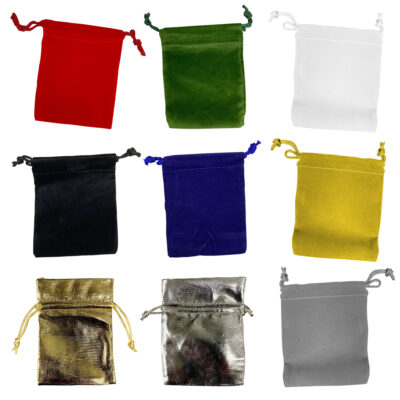
- A Mojo Bag (Gris-Gris / Charm Bag)
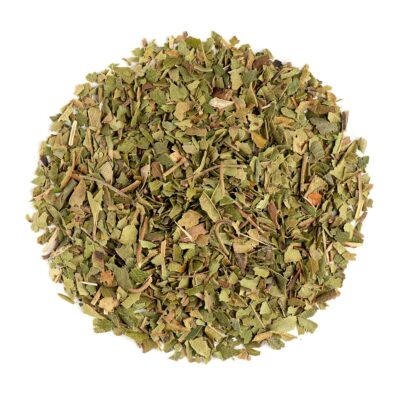
- Myrtle Leaves, for warmth and lasting affection
- Rosemary Leaves, for remembering what was good
- A pinch of Come To Me Sachet Powder
- A small slip of paper with both names written on it, or just your own if the other person is not part of the working
Hold each herb in your palm for a moment before placing it in the bag, and speak your intention into it as you would speak to an old friend. Fold the paper so both names face inward, toward each other, then tuck it into the bag along with the herbs and a small pinch of the sachet powder. Close the bag and hold it between both hands.
Breathe slowly for a few moments, picturing the relationship as it once was, before speaking this aloud:
Let what was warm between us find its way back.
Let understanding travel where hurt has been.
Carry the bag in a pocket, purse, or bag close to your body for as long as the situation feels unsettled. Many practitioners refresh it monthly with a fresh pinch of the same herbs to keep the working active.
Burn and Release: Letting Go of What Keeps You From Forgiving
Sometimes the hardest part of reconciliation is not reaching the other person. It is releasing your own grip on what happened. This ritual is built for exactly that moment, when forgiveness feels like the right choice but your body has not quite caught up with your heart yet.
As you prepare, collect these sacred items.
- A Forgive, Burn & Cleanse Hand Carved Candle
- A small piece of white paper and a pen
- A fireproof vessel
- A Sacred Heart of Jesus Laminated Prayer Card, if you keep one on your altar
Write down what happened in a few honest sentences. Do not soften it, and do not perform it for anyone else's eyes but your own. When you are ready, light the Forgive, Burn & Cleanse candle and hold the paper near, though not touching, the flame.
Read the words back to yourself once, quietly, then touch the paper's corner to the flame and let it burn in the fireproof dish. As it turns to ash, say:
I release what was done,
And I release what I have carried since.
Let mercy meet us both.
If you keep the Sacred Heart prayer card nearby, this is a good moment to sit with it for a minute before closing the ritual.
If your reconciliation involves finding your way back to closeness that you fear is truly lost, you can also light a Saint Anthony prayer candle alongside this work and pray simply, "Saint Anthony, finder of what is lost, help me find my way back to what mattered." Let the candle finish burning down completely on its own, then dispose of the remains using the same guidance from the after-ritual disposal article.
The Spiritual Meaning of Forgiveness and Reconciliation
Forgiveness work has a way of humbling a person. It asks you to sit inside the discomfort of a rift instead of rushing past it, and to trust that softness, patience, and small daily acts can do what force cannot.
If you are looking for a broader practice of household calm rather than a specific rift to mend, our guide to peace spells for restoring harmony covers ongoing home and spirit maintenance. And if the conflict itself is still raw, with tempers running hot before any reconciliation feels possible, start with spells and rituals to release anger and end arguments, which pairs naturally with the work here once the air has calmed enough to begin mending it.
Small daily gestures matter too. A quiet word of gratitude for the relationship, even a strained one, can do more over time than a single dramatic ritual ever could.
Frequently Asked Questions
How long does a forgiveness spell take to work?
Most reconciliation work unfolds gradually, not overnight. The candle ritual above is built around roughly a week, though real emotional shifts often continue past the final night. Patience is part of the practice, not a sign that something has gone wrong.
Can I do a reconciliation ritual if the other person does not know about it?
Yes. These rituals work with your own intention and energy first. You are not forcing anyone's feelings, only softening the ground between you so a genuine reconciliation has room to happen if both people are willing.
What if I am the one who needs to be forgiven?
The Two Candles ritual works well here, since it does not require the other person's participation. Pair it with a sincere, spoken apology when the timing feels right, since spiritual work should support real conversation, not replace it.
Is it possible to do this work for a friendship instead of a romantic relationship?
Yes. None of these rituals are limited to romantic partners. Family rifts and friendship fractures respond to the same principles of softening, releasing, and rebuilding trust.
Should I use these rituals if the relationship was harmful to me?
Forgiveness does not require reconciliation. If you are working through forgiveness for your own peace without wanting the person back in your life, the Burn and Release ritual can be used entirely on its own.
Every rift carries the possibility of repair inside it, even when that feels hard to believe in the moment. These rituals will not undo what was said or done, but they can clear enough space for something better to grow back in its place, patiently, and in its own time.