Spells and Rituals to Release Anger and End Arguments
Anger is one of the most honest emotions there is. It tells you that something matters, that a line has been crossed, that you are hurting. It has its place. The problem is what happens when it overstays its welcome.
When anger hardens into silence, when an argument stretches into days and then weeks, when the person on the other side of it won't speak and you can't find the words anyway, the weight of it becomes its own kind of suffering. Carrying that long enough changes you. It seeps into your sleep, your appetite, the way you move through your days.
Spiritual practice has always had tools for this moment. Not to bypass the real work of making things right, but to soften the ground so that work becomes possible. The spells and rituals here are rooted in Hoodoo tradition and folk spiritual practice. They work with the energy of conflict rather than against it, helping you release what you no longer need to hold, quiet what has gone too loud, and open the door to peace.
Why Anger Needs to Be Released, Not Just Managed
In Hoodoo rootwork, emotions are understood as energy. Anger that has no outlet doesn't disappear. It settles into the body, into the home, into the space between two people who used to feel easy together. Left long enough, it can become a crossed condition, a spiritual tangle that makes every moment between those two people harder than it needs to be.
The rituals here work in two directions. Some are for releasing anger from within yourself, clearing it from your own body and spirit so it no longer has power over you. Others are for addressing the conflict between you and another person, softening the tension, opening communication, and calling peace back into the space you share.
Neither replaces honest conversation. What they do is make that conversation more possible.
Before You Begin
Any ritual for peace works better when your own spirit is settled. Before you sit down to work, take a few minutes to prepare yourself.
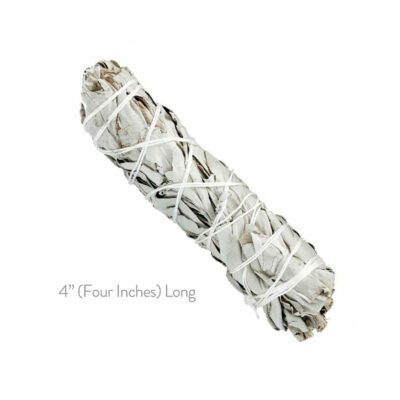
Wash your hands thoroughly. In Hoodoo practice, this is not just physical cleansing. It is a release of whatever energy you have been carrying all day, a sign that you are moving into intentional spiritual work. If you have a White Sage Smudge Stick or a Florida Water Spray, pass it around your body or through your space before you begin.
Breathe. Slow down your thoughts. The ritual itself is the easy part. The intention behind it is what carries the work.
Three Ways to Release Anger From Your Body
Before you can work to end an argument, it helps to release what you are personally carrying. These are not elaborate spells. They are fast, clean, and useful for moments when you need relief right now.
The stone release. Find a stone outside. Any dark, heavy stone feels right for this. Hold it in both hands and breathe slowly. Let yourself feel the anger without fighting it. Then, deliberately, feel it moving from your chest, down through your arms, and into the stone. When you sense it has taken on what you were holding, throw the stone into moving water, a stream, a river, or the ocean. Moving water carries it away and does not let it return.
The salt release. Take a small handful of sea salt in your right fist and close your hand around it. Let the anger drain down from your chest and shoulders into your palm. When you are ready, hold your fist under cool running water and open it slowly. Watch the salt dissolve and carry your anger with it. Rinse your hands fully before you go back to your day.
The candle release. Hold a black pullout candle in your hands for a moment. Black draws in and burns away what no longer serves you. Feel your anger, your frustration, your hurt moving into the candle. Set it in a holder, light it, and let the flame do the work. You do not have to watch it. Just know that what you placed in it is burning away. Snuff it when you are ready to step away, and relight it the following evening until it burns down.
Three Ways to Put Rituals to Work for Peace
There is a ritual here for whatever stage you are at in a conflict. One for releasing what lives inside you. One for reopening what has closed between two people. And one for stopping what should have stopped a long time ago. Start where the need is loudest.
Releasing Anger and Restoring Calm
This ritual creates space between you and the emotion that has been driving you. Use it when the anger belongs more to you than to anyone else, when you are the one who needs relief before you can think clearly.
Gather the following ingredients before beginning:
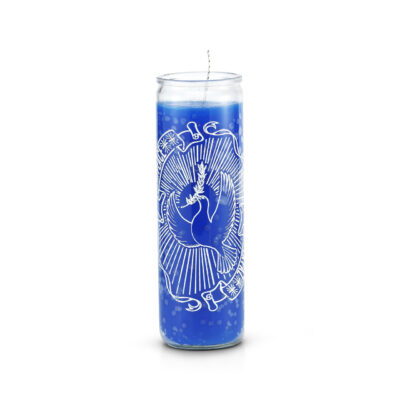
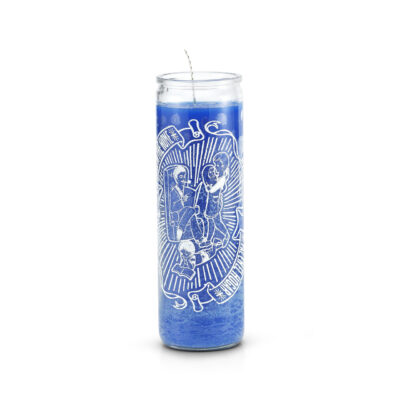
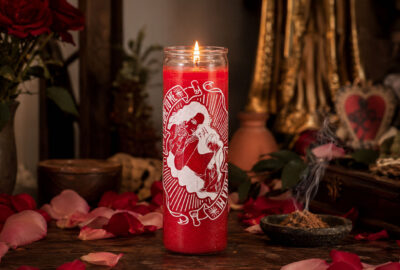
- Peace In The Home 7 Day 1 Color Prayer Candle
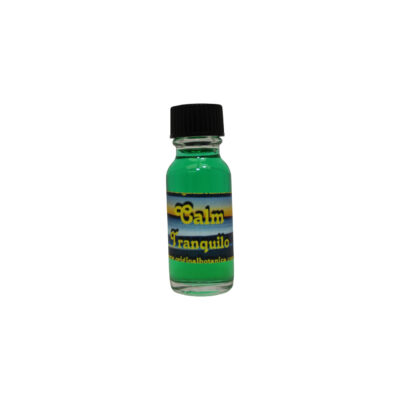
- Calm Oil
- Peace In The Home Sachet Powder
- A piece of white paper and a pen
- A fireproof bowl
Dress the candle by applying a thin layer of Calm Oil from the base upward toward the wick, drawing peace toward you. Set it in a safe holder and light it. Sit quietly for a moment and let yourself feel the full weight of what you have been carrying. Then write it down. Every grievance, every hurt, every thought that has been looping. Get it all onto the paper without holding back.
When you are finished, fold the paper away from you and hold it over the fireproof bowl. Touch it to the candle flame and let it catch. As it burns, speak plainly:
What I have held, I now release.
What has burned in me, now finds peace.
When the ashes have cooled, sprinkle them with the Peace In The Home Sachet Powder and dispose of the whole thing outside your home. Let the candle continue burning each day, snuffing it between sessions, until it finishes. The ritual is complete when the candle burns out.
Ending an Argument Between Two People
This ritual is for when the argument has gone on too long, and the other person has gone quiet. It does not force the other person's will. It softens the space between you, opens a path for communication, and creates the conditions for resolution.
As you prepare, collect these sacred items:
- Peace 7 Day 1 Color Prayer Candle
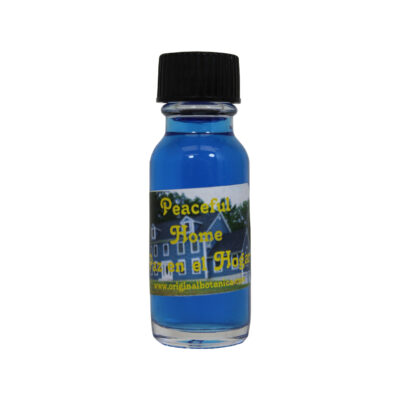
- Peace In The Home Oil
- Peaceful Home Cleansing Water
- Peace Water
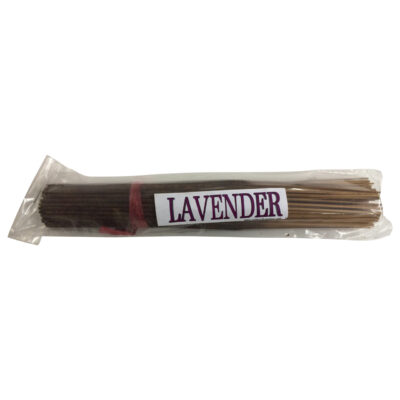
- Lavender Incense Sticks
- A photo of the person you are in conflict with, or their name written on white paper
- A small bowl
Cleanse your space first. Wipe down the surface where you will work with the Peaceful Home Cleansing Water. Light a lavender incense stick and let the scent settle in the air. Place the photo or name paper in front of you. Anoint the candle with Peace In The Home Oil, working from the center outward in both directions, sending peace to both yourself and the other person.
Pour a small amount of Peace Water into the bowl and place the photo face-up inside it. Light the candle. Look at the image or name and speak honestly, not as you would in the argument, but as you would if the fight were already over:
I release what stands between us.
I ask for the words that heal, and the silence that heals too.
May peace find us both, and may we find our way back to each other.
Let the candle burn for a while each evening, snuffing it safely between sessions. Replace the Peace Water in the bowl every two days. When the candle finishes, remove the photo from the bowl, let it dry, and keep it face-down in a quiet place until things resolve. For more support during this time, the forgiveness and reconciliation rituals can work alongside this one.
Silencing Hurtful Words
Sometimes the problem is not the argument itself but the words that keep coming. The cruelty, the criticism, the cutting remarks that won't stop. In Hoodoo tradition, tapa boca work, which means "shut the mouth," is one of the oldest and most direct forms of this kind of work. It does not harm the person. It stops the harm they are doing to you.
Have these ingredients ready as you create your spell:
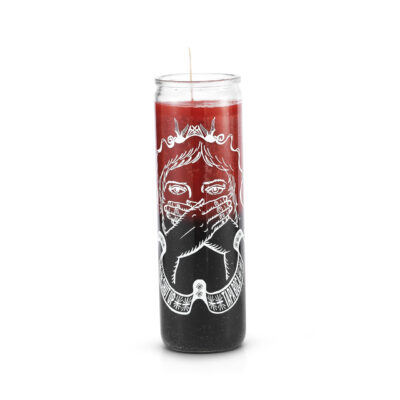
- Shut Up (Tapa Boca) Prayer Candle, 7 Day
- Shut Up Oil
- Calm Sachet Powder
- A photo or drawing of the person, or their full name on a small piece of paper
- A whole clove
Dress the candle with the Shut Up Oil. Write the person's name on the back of the photo or paper and fold it toward you once, then fold it away from you twice, sealing their words inside. Press the clove into the fold to hold it closed. Set the folded paper beneath the candle. Light it. Speak what you need:
What has come from your mouth to harm me is finished.
I call silence to your cruelty and calm to my own spirit.
You may speak again when you speak with kindness.
Dust the space lightly with Calm Sachet Powder when the candle has finished. Dispose of the folded paper away from your home.
Keeping Peace in the Home After the Storm
Once the conflict has passed, the spiritual work shifts from releasing and stopping to holding and keeping. Peace in the home is not a one-time event. It is something you tend.
The Peace In The Home Herb Bath is one of the most useful tools for this ongoing work. Take it once a week during periods of tension, especially if you share a home with the person you have been in conflict with. It clears the residue of argument from your own energy field and sends calm back into the space.
Wash your floors or thresholds with the Peace In The Home Bath and Floor Wash. This is one of the most rooted practices in Hoodoo for managing the energy of a shared space. Floors carry energy. What people bring in, they leave behind. A floor wash clears what has settled and replaces it with intention.
If the conflict has been severe or has involved open hostility that feels like more than an ordinary argument, it may be worth doing a full home cleansing before the peace work. Our guide to protection spells and rituals for the home covers that process in full.
What These Rituals Can and Cannot Do
Honesty here matters. These rituals work with energy and intention. They create better conditions for resolution. They clear what is spiritually cluttered and open what has been shut.
What they cannot do is replace the actual conversation. At some point, if the relationship matters, the words still have to come. The rituals help you arrive at that moment with more clarity, less heat, and a spirit that has been genuinely tended.
They also cannot override someone else's free will in any lasting way. Tapa boca work quiets cruelty. It does not permanently change who a person is. Peace work opens a door. The other person still has to choose to walk through it.
If what you are dealing with feels deeper than a single argument, if there is a pattern of crossed energy between you and another person that keeps coming back no matter what you do, that may be a sign the situation calls for more than peace work alone. Our article on signs you may be dealing with spiritual interference can help you assess whether something more serious is at work.
FAQs
Can spells really help end an argument?
Spiritual work in Hoodoo tradition works from the belief that everything, including relationships and conflicts, has a spiritual side alongside the human one. Spells and rituals for peace work on that spiritual layer, softening tension, clearing crossed conditions, and opening space for communication. They are most useful when paired with honest effort on the human side.
Is tapa boca work harmful to the other person?
Tapa boca work is not meant to harm. Its purpose is to stop harmful speech directed at you. It does not permanently silence someone or change who they are at their core. Think of it as a spiritual boundary, a way of saying that cruelty ends here, until the other person is willing to engage with kindness.
How long does it take for a peace ritual to work?
There is no set timeline. Some people notice a shift in the feeling of their home within days. An argument between two people may take longer, particularly if the conflict has gone on for a while or if the other person is dug in deep. Working the ritual over several days or weeks, rather than expecting one session to fix everything, works better.
What if the person won't talk to me at all?
Silence is its own kind of conflict. The ritual for ending an argument between two people is built for this situation. It works on the block that keeps communication from flowing, rather than demanding the other person respond on your timeline. Pair it with the forgiveness and reconciliation work if you are also holding your own grief or guilt around the situation.
Should I tell the other person I am doing this work?
That is entirely your choice and depends on your relationship with the person and how they feel about spiritual practice. Many people work quietly. Others find that doing the ritual together, lighting the candle as a shared act, is itself a powerful step toward resolution. Neither way is more valid than the other.
Anger will always be part of life. Arguments will happen. What you do with them, how long you carry them, whether you let them harden into something permanent or release them before they do, is where your spiritual practice lives.
These tools exist because our traditions understood that human beings need help sometimes. Not because we are weak, but because some weights are simply too heavy to carry alone. Let them do their work. Tend yourself in the process. And trust that peace, once called with a sincere heart, has a way of finding its way home.