San Antonio de Padua: Rituals and Prayers for Lost Things and Love
There is a moment most people know well, even if they have never lit a candle in their life. Something is gone. A relationship that mattered. A job that felt certain. A piece of jewelry passed down from someone who is no longer here. Your sense of direction. Your hope. You have looked everywhere and found nothing, and the looking itself has become exhausting.
That is when San Antonio de Padua gets called.
He is one of the most beloved saints in the Catholic and folk Catholic world, petitioned across Latin America, the Caribbean, and the diaspora communities that carried his devotion north. His reputation for finding what is lost extends far beyond misplaced objects. People call on him for lost love, lost opportunity, lost faith, lost paths. He is the saint you turn to when something that belongs in your life has gone missing and you cannot find your way back to it alone.
Who Is San Antonio de Padua?
Antonio de Padua was born in Lisbon, Portugal in 1195, baptized Fernando, and entered religious life young. He eventually joined the Franciscan Order, drawn by the example of the first Franciscan martyrs, and became one of the most gifted preachers of his era. He traveled across France and Italy, teaching theology and scripture, healing the sick, and performing miracles that were documented during his own lifetime, not just after his death.
He died on June 13, 1231, at only 36 years old. He was canonized less than a year later, one of the fastest canonizations in the history of the Catholic Church, a reflection of how immediately and universally he was recognized as holy.
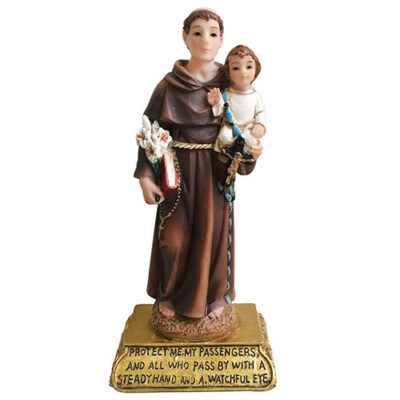
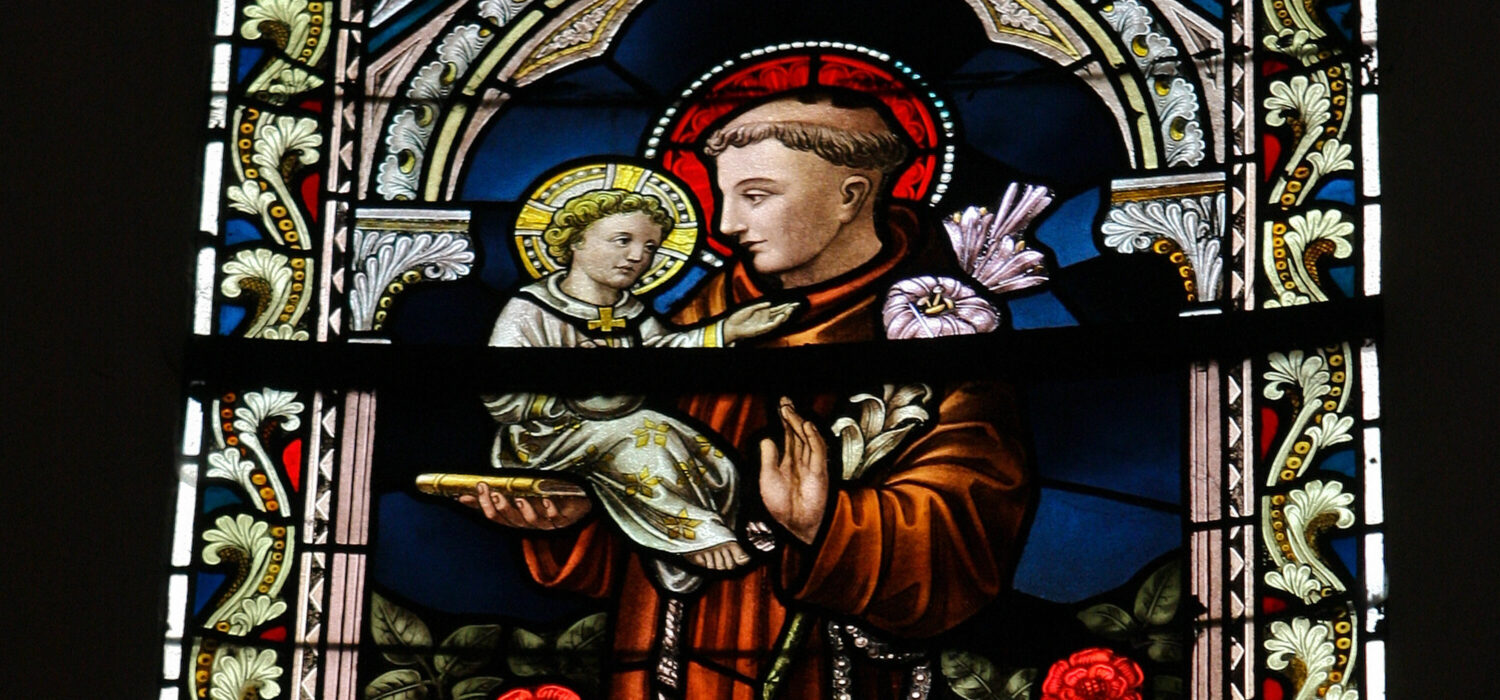
In religious imagery, San Antonio is almost always depicted holding the Infant Jesus in his arms and a lily in his hand. The Infant Jesus reflects a vision he is said to have had during a night of deep prayer. The lily reflects his purity and the miraculous moment when, according to legend, a field of lilies turned their heads toward him as he preached to a crowd of heretics who had refused to listen. The flowers paid attention when the people would not.
His patronage of lost things came from a specific incident during his lifetime. A novice at his hermitage stole his book of Psalms, a deeply personal and important collection of notes and prayers he had compiled over years. Antonio prayed for its return. The novice was said to have been seized by a terrifying vision and returned the book immediately. The prayer worked. The story spread. And for nearly eight centuries since, people have been bringing him their losses.
San Antonio de Padua in Latin Folk Tradition
The San Antonio that lives in Latin folk Catholic practice is not quite the same figure as the one in the formal Catholic hagiographies, and that is not a contradiction. It is the natural result of centuries of living faith, of people taking a saint into their homes and their lives and discovering what he was capable of.
In Cuban, Puerto Rican, Dominican, and Mexican spiritual traditions, San Antonio is petitioned for far more than lost objects. He is called upon for love, particularly for bringing a specific person back or for drawing new love in. He is asked to help find work, open paths, restore broken relationships, and locate people who have disappeared from someone's life, whether through distance, conflict, or estrangement.
In the Lucumí tradition, San Antonio de Padua is syncretized with Elegua, the Orisha of the crossroads, new beginnings, and open roads. Both govern the opening and closing of paths. Both are intermediaries between the human and the divine. Both are petitioned at thresholds and doorways. When you place San Antonio near your front door and ask him to open your road, you are drawing on a spiritual understanding that runs deeper than any single tradition.
This syncretism does not diminish either figure. It reflects the ingenuity and resilience of people who carried their spiritual traditions through conditions that tried to erase them, and who found ways to keep their faith alive by weaving it into what was permitted.
Building a San Antonio de Padua Altar
An altar to San Antonio is a place of active petition, not just display. Everything on it carries intention, and the altar itself becomes a focal point for the saint's energy in your home.
What belongs on a San Antonio altar:
- A Saint Anthony Statue or a holy card as the focal image
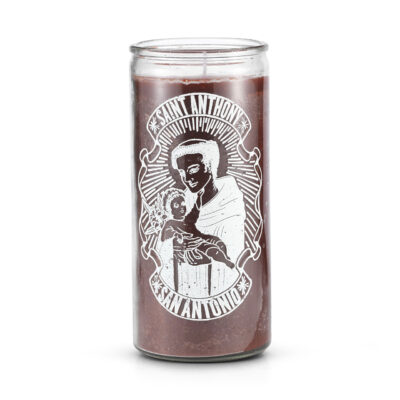
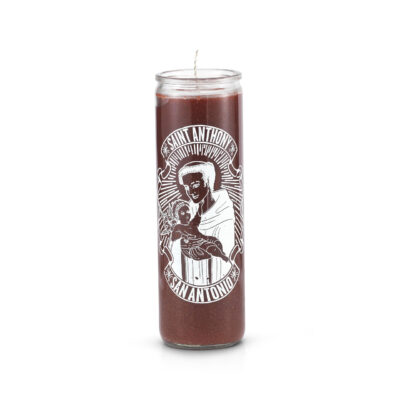
- A Saint Anthony Prayer Candle, in brown, his Franciscan color
- Fresh white lilies or lily of the valley, if available, his sacred flower
- A small glass of clean water, changed regularly
- A piece of bread or a small loaf, honoring his tradition of feeding the poor
- Saint Anthony Incense Sticks burned during prayer
- Any personal concern related to what you are seeking, a photograph, a written petition, an object connected to what is lost
Place the altar near the entrance of your home if you are petitioning for open roads and lost paths, or in a quiet, private space if the petition is more personal. Speak to him regularly. San Antonio responds to consistency and sincerity, not to elaborate ceremony.
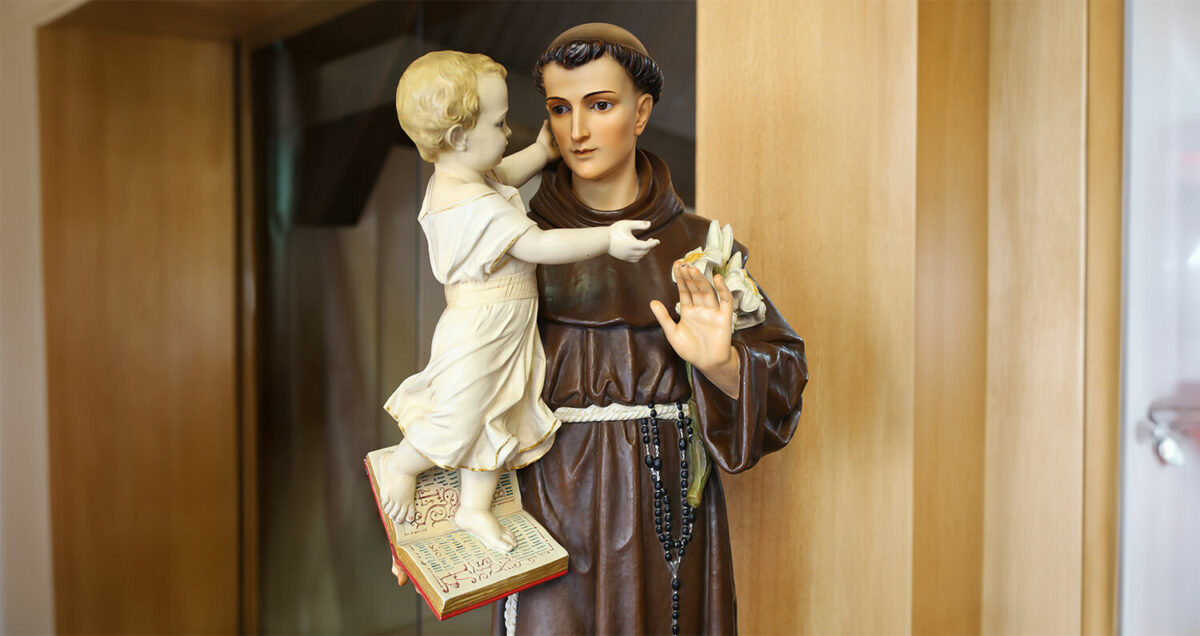
Saint Anthony is often depicted holding lilies, emphasizing his connection with purity and his effectiveness as a preacher.
Rituals for Calling on San Antonio de Padua
Prayer opens the door. Ritual keeps it open. These four workings give you practical ways to bring San Antonio's intercession into your daily life, your home, and whatever situation needs his attention most.
A Candle Petition Ritual for Lost Things and Open Roads
This is the foundational ritual for working with San Antonio. It is simple, accessible, and effective for any petition involving something lost, something blocked, or a path that needs to be opened. Gather the following ingredients before beginning.
- A brown Saint Anthony Prayer Candle
- Saint Anthony Oil
- A piece of white paper and a pen
- Saint Anthony Incense Sticks
- A fireproof incense holder
- A Saint Anthony Laminated Prayer Card
Begin by writing your petition on the paper. Be specific. "Help me find my way back to [name]" is more powerful than "help me find love." "Open the road for this job opportunity" is more powerful than "help me succeed." San Antonio works best when he knows exactly what he is being asked for. Fold the paper toward you three times.
Dress the candle with Saint Anthony Oil, working upward from the base toward the wick, drawing what you seek toward you. Light your incense first, letting the fragrant smoke fill the space and signal the beginning of sacred work. Then light the candle.
Hold the folded petition in both hands. Look at the flame. Speak aloud, in whatever language comes most naturally to you:
San Antonio de Padua,
Patron of what is lost and what is sought,
I bring you my petition with faith and humility.
What I have named here belongs in my life.
Help me find my way to it.
Open the road before me.
I trust in your intercession.
Amen.
Place the petition beneath the candle. Let the candle burn as long as you are present. Return each day to light it and renew your prayer until the candle is spent. Do not rush the working. San Antonio moves at the pace of genuine faith.
A Petition Bath for Finding What Is Lost
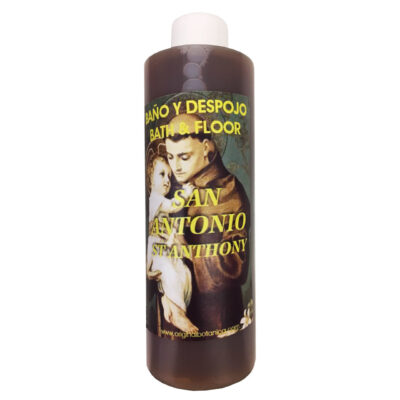
Water carries prayers. This ritual uses the Saint Anthony Bath & Floor Wash to align your energy with the saint's intercession, preparing your body and spirit to receive what you are seeking and removing any spiritual obstacles standing between you and it.
You will need the following components to perform this ritual.
- Saint Anthony Bath & Floor Wash
- Saint Anthony Sachet Powder
- A white Saint Anthony Prayer Candle
- Saint Anthony Oil
- A written petition on white paper
- Fresh white flowers if available
Draw a bath and add the Saint Anthony Bath & Floor Wash to the water. Sprinkle a small amount of Saint Anthony Sachet Powder over the surface, letting it dissolve. If you have fresh white flowers, add the petals to the bath as well.
Before you step in, light your white candle dressed with Saint Anthony Oil near the bath. Hold your written petition and read it aloud, speaking your need clearly and without embarrassment. What you are looking for is worth naming fully.
Lower yourself into the bath. Close your eyes. Breathe slowly. Picture San Antonio standing at a crossroads, his hand extended toward you, the path ahead suddenly clear. Feel the water washing away confusion, doubt, and whatever has been blocking your prayer from reaching its destination.
Stay in the bath for at least fifteen minutes. When you are finished, air-dry rather than toweling off immediately. Carry the written petition with you or place it on your altar beneath a candle. Repeat the bath for three consecutive days for persistent situations.
A Mojo Bag for Ongoing Guidance and Protection
This ritual creates a portable talisman you carry with you, keeping San Antonio's intercession active in your daily life rather than confined to an altar. It is particularly effective for people who need ongoing help finding direction, those in the middle of a job search, navigating a complicated relationship, or moving through a period of prolonged uncertainty. Before starting, set aside these ritual tools.
- A small brown or white cloth bag or envelope
- Saint Anthony Medal
- Saint Anthony Oil
- A pinch of Saint Anthony Sachet Powder
- A small piece of paper with your petition written on it
- Three dried lily petals, if available, or a pinch of dried rosemary for guidance
Hold the medal in your dominant hand and speak San Antonio's name three times, asking him to fill the medal with his presence and intercession. Place it in the bag. Add the petition paper, and the herbs. Sprinkle a few drops of Saint Anthony Oil over everything inside the bag before closing it.
Seal the bag and hold it between both palms. Say aloud:
San Antonio, this is my prayer made small enough to carry.
Go with me where I go.
Guide what I reach for.
Find what I have lost.
I carry your intercession close.
Amen.
Keep the bag in your pocket, your purse, or pinned inside your clothing. Refresh it with a drop of Saint Anthony Oil once a week to keep the working active.
A Floor Wash for Opening Paths and Drawing Good Fortune
San Antonio is petitioned not only for finding what is lost but for opening the road to what has not yet arrived. This floor wash ritual is particularly effective when opportunity seems blocked, when you have been waiting, and nothing is moving, or when you want to clear the energy of your home and invite the saint's blessing into the space where you live and work. As you prepare, collect these sacred items.
- Saint Anthony Bath & Floor Wash
- Saint Anthony Incense Powder
- Clean water in a bucket
- A mop or cloth
- Saint Anthony Prayer Candle, 14 Day
- Saint Anthony Oil
Light your incense powder in a fireproof holder and carry it through each room of your home before mopping, letting the smoke move into corners and doorways. This clears residual energy and prepares the space for the floor wash.
Mix the Saint Anthony Bath & Floor Wash into your bucket of clean water. Begin mopping at the back of the home and work toward the front door, moving the wash outward in the direction you want good fortune to flow in from. As you mop each room, speak your petition aloud or simply repeat San Antonio's name with intention.
When you reach the front door, mop the threshold and the step outside it. Then dress your 14 Day candle with Saint Anthony Oil and light it near the entrance of your home. This anchors the saint's energy at the threshold, the place where what you are calling in must first enter.
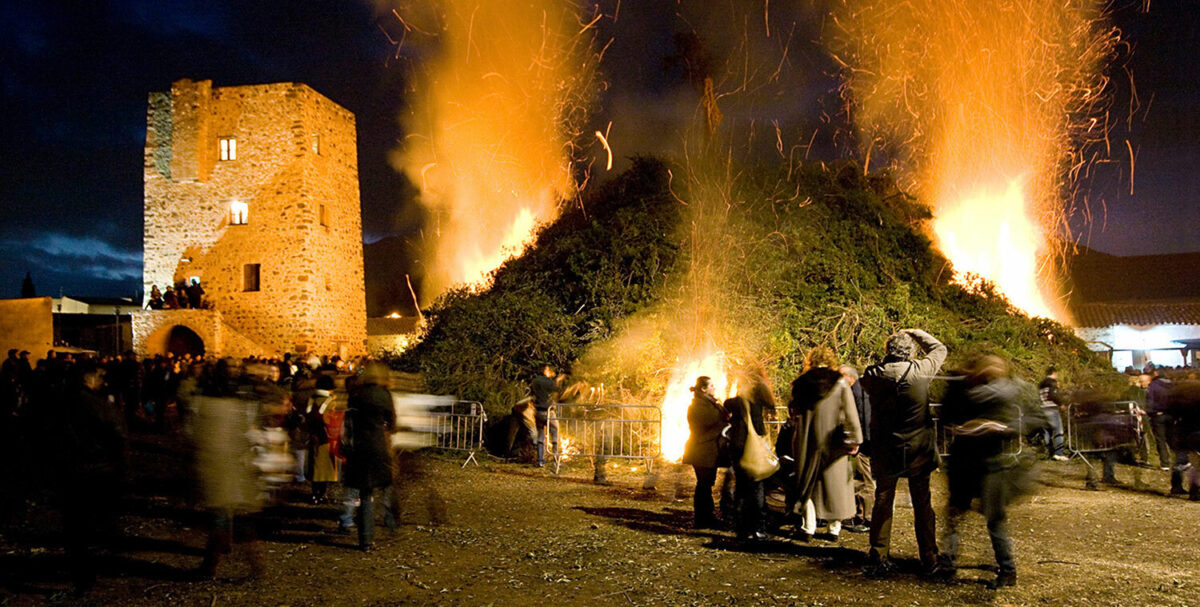
In Italy, it is customary to burn bonfires and light candles on Saint Anthony's feast day.
June 13: The Most Powerful Day to Petition San Antonio
San Antonio de Padua's feast day on June 13 is one of the most active days in the folk Catholic spiritual calendar. In Italy, bonfires are lit in his honor. In Latin communities across the Americas and the United States, his image is carried in procession, masses are held, and private devotions intensify.
For those who work with him in folk practice, June 13 is the most potent day of the year to open a new petition, deepen an existing one, or express gratitude for what he has already helped you find.
Light a fresh Saint Anthony Prayer Candle on the eve of his feast day, June 12, and let it burn through June 13. Place fresh white flowers on his altar. Offer him bread and clean water. Speak your petition or your gratitude in your own words. On this day more than any other, he is listening.
Prayers to San Antonio de Padua
Words spoken with faith are their own kind of working. These prayers can be used alongside the rituals above or on their own, whenever you need to reach him quickly and directly.
The Traditional Prayer for Lost Things
O blessed San Antonio, the grace of God has made you a powerful advocate in all our needs and the patron for the restoration of things lost or stolen.
I turn to you today with faith and confidence.
You have helped countless children of God find what they have lost, material things and, more importantly, the things of the spirit: faith, hope, and love.
Help me in my present need. I trust that through your intercession, what belongs in my life will be returned to me.
Amen.
A Folk Prayer for Lost Love
San Antonio, you who know what it is to search and to find, I bring you my heart.
What I have lost matters to me. Who I have lost matters to me.
Open the road between us. Soften what has hardened. Return what belongs.
I offer this prayer to you, and I trust in your mercy.
Amen.
A Short Petition (for carrying through the day)
San Antonio de Padua, guide my steps. Open what is closed. Return what is mine. I trust you. Amen.
Frequently Asked Questions
What color candle do you burn for San Antonio de Padua?
Brown is the traditional color associated with San Antonio, reflecting the brown habit of the Franciscan Order he belonged to. White is also appropriate, particularly for petitions involving clarity, purity of intention, or spiritual guidance. The Saint Anthony (San Antonio) 7-Day Brown Prayer Candle is the most traditional choice for folk petitions.
How do you pray to Saint Anthony for lost love?
Write the name of the person and your specific petition on a piece of white paper. Fold it toward you three times. Dress a brown or white Saint Anthony candle with Saint Anthony Oil and place the petition beneath it. Light the candle and speak your prayer aloud, asking San Antonio to open the road between you and the person you are calling back. Repeat for seven consecutive days.
Can you petition San Antonio for someone else, such as a missing family member?
This is a genuinely common question that pulls a specific search intent, people looking for a lost or estranged family member, and it has not been covered anywhere in the article. The answer opens up a dimension of his patronage that is very real in Latin folk tradition.
Is San Antonio de Padua connected to any Orishas?
In the Lucumí tradition, San Antonio de Padua is syncretized with Elegua, the Orisha of the crossroads and open roads. Both govern the opening of paths, and both serve as intermediaries between human beings and the divine. Practitioners who work within both traditions may honor them together or separately, depending on their own practice.
How long does it take for San Antonio to answer a petition?
There is no fixed timeline. Simple petitions for lost objects are sometimes answered quickly, within days. More complex situations involving relationships, career, or long-standing blocks may take weeks or longer. The tradition holds that consistency and faith matter more than urgency. Tend the candle, speak the prayer, and trust the process.
What do you do if San Antonio does not answer your petition?
Revisit the specificity of your petition first. Vague requests get vague results. Rewrite it with more precision and begin again. If the petition is clear but still not moving, consider doing a spiritual cleansing before returning to the work. Blocked paths need to be cleared before a prayer can travel them. Above all, stay consistent. San Antonio responds to sustained faith. One candle lit once is rarely enough for a serious petition.
He was a friar who preached to lilies when the people would not listen. Who prayed for a stolen book and got it back. Who spent his short life in service to those who had lost something, and never once turned anyone away for asking.
That simplicity is the whole of it. You do not need the perfect prayer or the perfect ritual. You need a candle, his name, and the honesty to say what you are missing.
He has heard harder requests than yours, and found them anyway.