How to Create a Yule Altar for the Winter Solstice
Yule has long been a celebration of the Winter Solstice, the moment when the longest night gives way to the slow return of sunlight. It is a time of hushed anticipation, a season when the earth rests beneath cold skies while the promise of renewal waits just beneath the surface.
Creating a Yule altar is a beautiful way to honor this turning of the year. It becomes a small hearth of light in the darkness, a space for reflection and renewal during the season’s turning. Whether your practice is spiritual, seasonal, or simply symbolic, a Yule altar can help you welcome the returning sun with intention and warmth.
Choosing the Right Space for Your Yule Altar
A Yule altar does not need to be large. What matters most is choosing a place that feels peaceful and protected. A shelf, a windowsill, a mantel, a bedside table, or a quiet corner of your living room can all serve as a sacred space.
Allow yourself to sense where the energy in your home feels calm. Many people choose a spot near natural light so the altar can greet the morning sun. Others prefer privacy for stillness and meditation. Let your intuition guide the placement.
Understanding the Symbolism Behind Yule Altars
A Yule altar reflects the core themes of the Winter Solstice. Light returns after its annual retreat. Evergreens remind us of endurance and life that persists through winter. Solar symbols honor the sun’s rebirth. These themes also appear in winter candle traditions across Yule and Christmas, which share a focus on guiding light. Natural elements speak to the quiet resting earth. Some also include items that honor ancestors or guides.
When you understand the meaning behind these items, your altar becomes more than decoration. It becomes a living representation of hope, awakening, and the slow turning of the seasons. Some practitioners pair their altar with manifestation rituals for the Winter Solstice to honor new beginnings.
Yule Colors and Their Seasonal Meanings
Color brings emotional and spiritual expression to a Yule altar. Each hue carries its own energy.
- Red represents vitality, courage, and the inner spark that carries us through long nights.
- Green symbolizes life force, renewal, and the evergreen promise of returning growth.
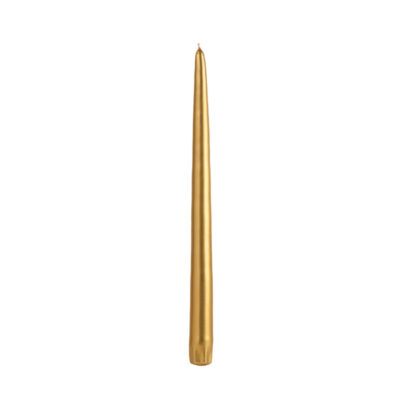
- Gold reflects the reborn sun and the warming energy of light after darkness.
- Silver and white echo snow, spiritual clarity, and the quiet stillness of winter.
Layering these colors through cloth, candles, or small decorative items strengthens the altar’s seasonal resonance.
Candles and Light for Your Yule Altar
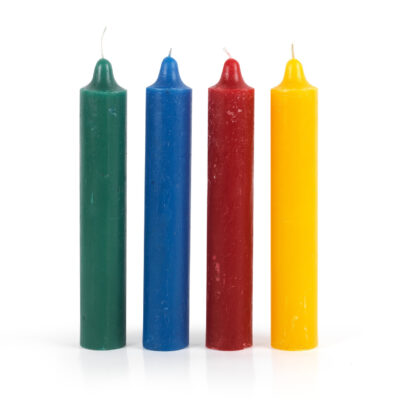
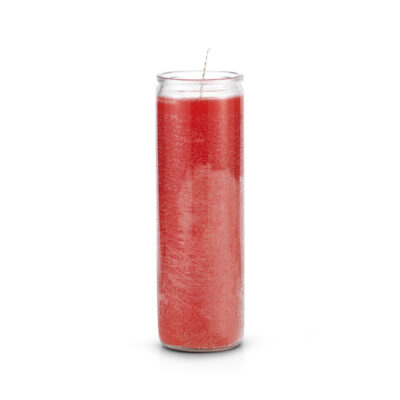
Light is the heart of every Yule altar. Candles bring warmth and remind us of the sun rising once again. Place one central candle to represent the returning light. Gold, white, red, or green are all traditional choices.
You may use 7-day glass candles for steady, contained light throughout the season, or choose pillars and smaller candles if you prefer a softer, layered glow. Both forms are spiritually appropriate, so select the style that feels safest and most meaningful to your practice.
You may add additional candles around it to create a gentle glow. Their light can support moments of contemplation and gratitude throughout the season. Avoid scented candles if the fragrance distracts you. Keep your light warm and steady, a symbol of hope in the coldest nights.

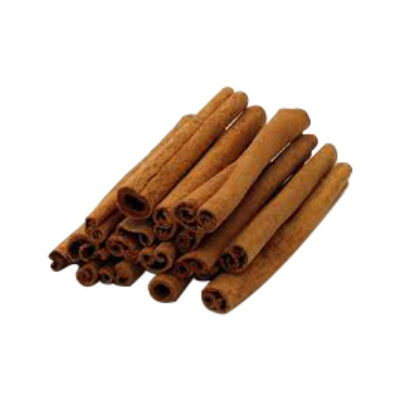
Evergreens, pinecones, oranges, cinnamon, and berries represent the heart of the Yule season.
Evergreens and Natural Elements for Yule
Evergreens are central to Yule symbolism. Pine, cedar, fir, juniper, and holly reflect resilience and protection. These branches stay green even in winter, reminding us that life continues beneath the frozen earth.
You can place small sprigs around your altar or use them to frame your central candle. Pinecones, dried orange slices, cinnamon sticks, and seasonal berries are also meaningful additions. They bring the natural world indoors and create a grounding connection to the season.
A small decorative Yule log can also be included as a symbol of endurance and the hope that grows as each new day lengthens after the solstice.
Sacred Scents for a Yule Altar Atmosphere
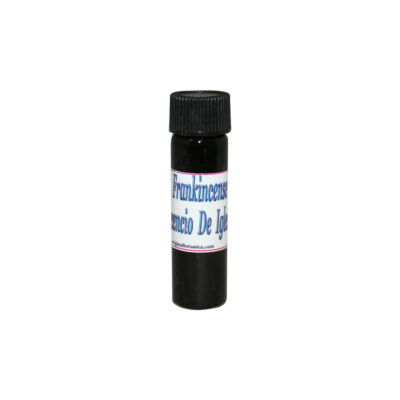
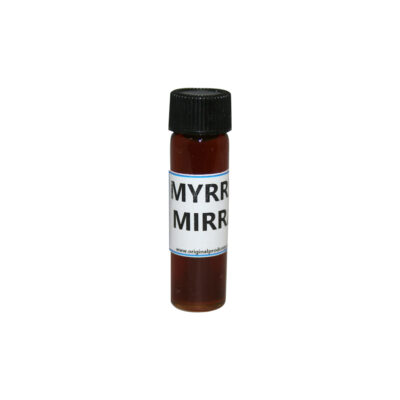
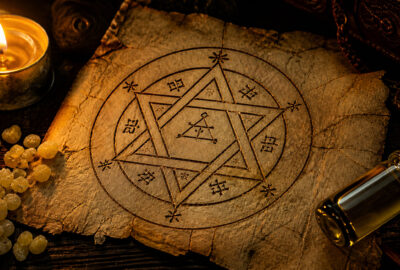
Scents shape the energy of a space and deepen the feeling of stillness or warmth. Traditional seasonal aromas include pine, cedar, frankincense, and myrrh. These fragrances have been used for centuries in winter observances.
Burning a small amount of incense or using a drop of essential oil nearby can help create a serene environment for reflection. Allow the scent to drift naturally. The goal is to create comfort, not overwhelm the senses.
Seasonal Crystals for Your Yule Altar
Crystals can add texture and symbolism to your altar. Many practitioners choose stones that reflect winter’s themes of grounding, protection, renewal, and returning light.
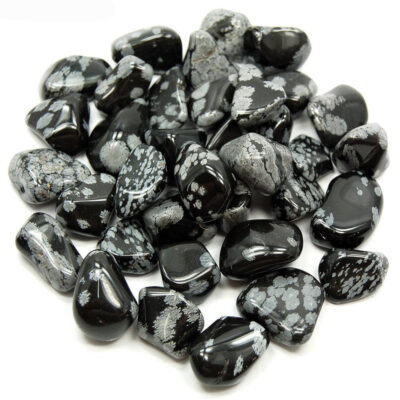
- Snowflake obsidian supports clearing and release.
- Pyrite symbolizes abundance and the bright spark of the sun.
- Bloodstone embodies strength and endurance.
- Golden tiger’s eye supports grounded confidence and the strength of returning light.
You may place one or several stones on the altar based on what resonates with your intention for the season.
Symbols of Light and the Season
A Yule altar often includes symbols of solar energy and winter mythology. Sun wheels, stars, small antlers, stags, and seasonal ornaments all connect to the cycle of life and the quiet power of the solstice.
Representations of deities or ancestors may be added if they are meaningful to your path. These elements help personalize your altar and deepen its spiritual presence.
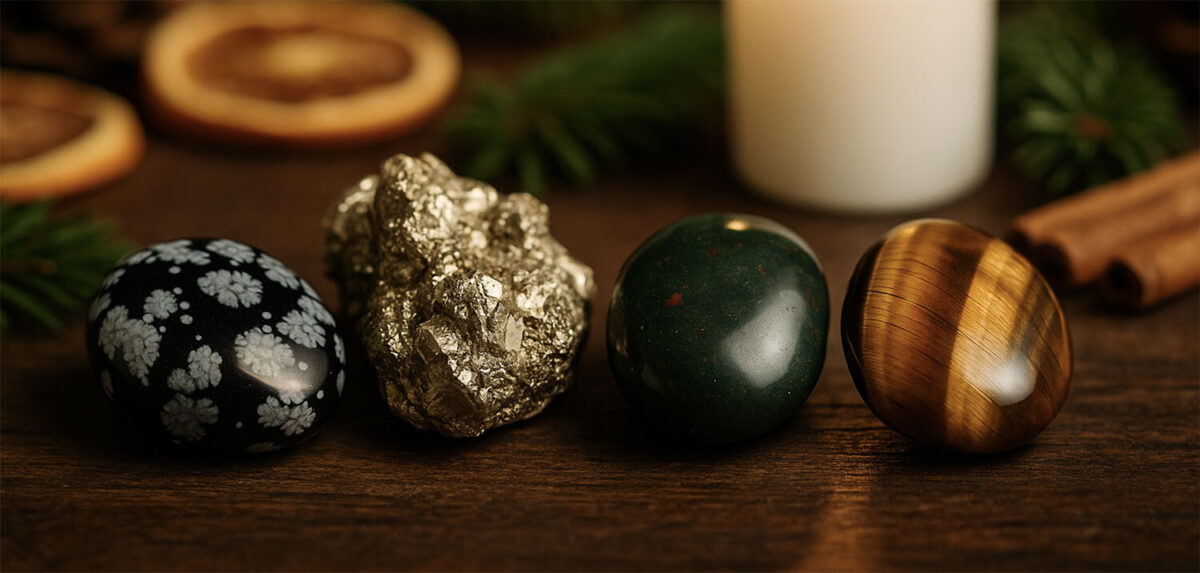
Snowflake obsidian, pyrite, bloodstone, and golden tiger’s eye to honor the returning sun.
How to Arrange Your Yule Altar with Intention
Begin by cleansing the surface. This can be done with light, sound, incense, or simply a moment of quiet focus. Lay a cloth or evergreen branches to create a soft foundation.
Place your candle or light source at the center or back of the altar. Build outward with natural elements, crystals, and symbolic items. Add personal objects that hold winter meaning, such as a photo, charm, or written blessing.
Each item should support a feeling of peace. The altar is not meant to be crowded. Allow space for the energy to breathe. If you feel called to deepen your seasonal practice, you may enjoy exploring Yule spells and Winter Solstice rituals that complement this altar work.
Simple Seasonal Ways to Use Your Yule Altar
You can visit your altar without performing any formal ritual. A few moments each day can be enough to foster connection and intention.
- Light a candle at dusk and sit in quiet warmth.
- Add fresh evergreen sprigs as a symbol of ongoing renewal.
- Reflect on what you hope to welcome in the coming season.
- Offer a moment of gratitude for light returning to the world.
- Write a gentle intention and place it beneath a stone or symbol.
These practices honor the solstice without requiring steps or ingredients.
A Gentle Yule Reflection
You may speak a simple blessing as you sit with your altar:
May the returning light warm my home, steady my heart, and guide my steps into the days ahead.
There is no sequence to follow. It is simply an invitation to pause and receive the peace of the season.
Yule Altar Frequently Asked Questions
Do I need to be Pagan to create a Yule altar
No. Anyone can create a seasonal altar to honor nature, the solstice, and the returning light.
Can I blend Yule and Christmas symbolism
Yes. Many people naturally merge the two since both celebrate hope, warmth, and renewal during winter.
How long should a Yule altar remain set up
Many keep their altar from early December until the first signs of longer daylight in early January. Choose what feels right for your practice.
Do candle colors matter for a Yule altar
Colors hold symbolic meaning, but intention matters most. Use colors that resonate with your vision for the season.
What if I have very little space
A Yule altar can be as small as a single candle with a sprig of evergreen. Even a tiny space can hold powerful meaning.
Reflecting on the Meaning of Your Yule Altar
A Yule altar is a quiet celebration of returning light. As winter settles around us, it becomes a reminder that warmth and life will rise again. By honoring the season through color, evergreen beauty, and simple symbols of hope, you create a sanctuary for reflection and renewal. In this sacred space, the promise of the solstice shines gently, guiding you toward brighter days.