Winter Solstice Rituals for Cleansing, Deep Renewal, and the Returning Light
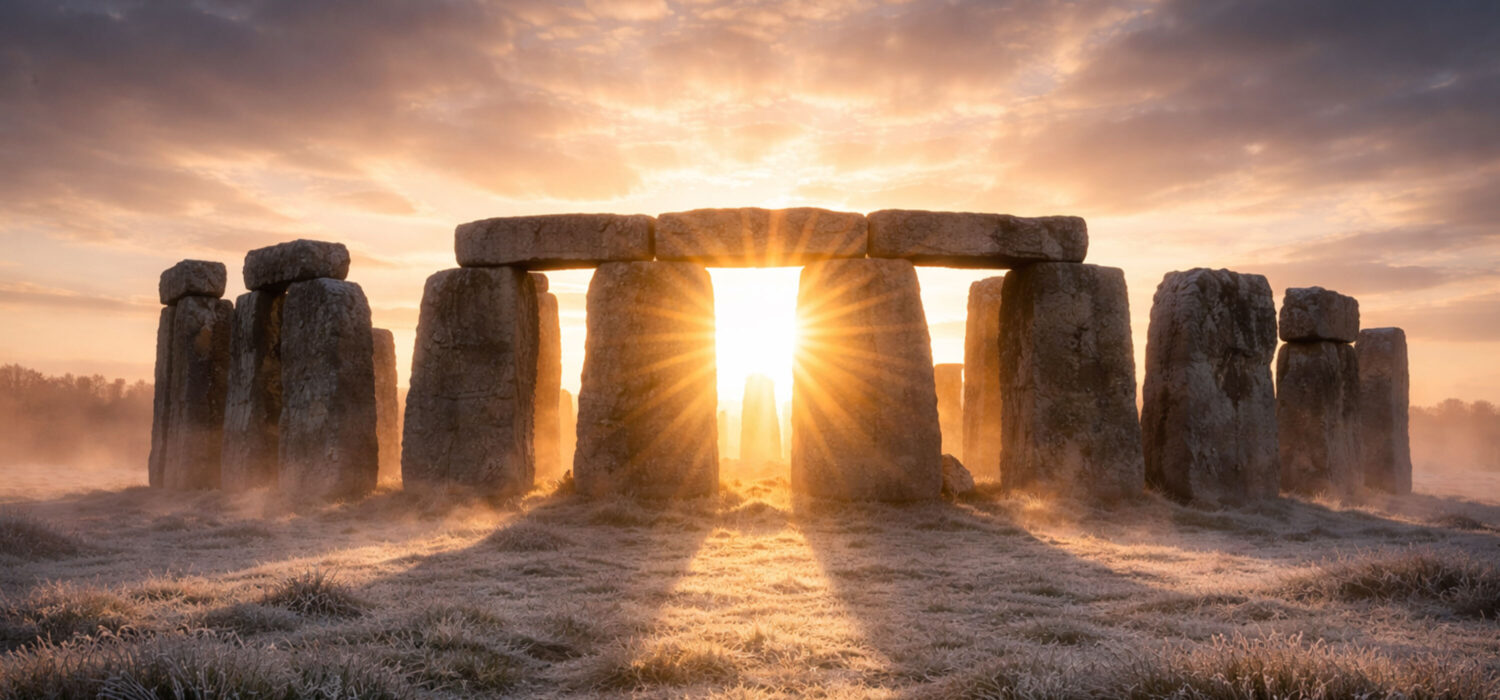
As winter deepens, the world becomes quiet and reflective. Nights grow longer, the pace of life slows, and the natural world draws inward to rest. Each year, the Winter Solstice arrives around December 21, marking the longest night of the year and the sacred turning point when daylight begins its gradual return. For many cultures, this moment has long symbolized rebirth, spiritual endurance, and the gentle reawakening of hope after a season of darkness.
Winter solstice rituals have long been used to honor this turning point and support spiritual renewal during the darkest time of the year. The solstice reminds us that transformation often begins in silence. Even when the outer world appears dormant, new beginnings are forming beneath the surface. By honoring this turning of the year, we invite clarity, renewal, and gentle awakening into our own lives.
Seasonal Energies of Rest, Release, and Rebirth
Winter carries an energy that is quiet yet powerful. The earth rests beneath cold soil while seeds gather strength for their future growth. Our own spirits benefit from this same rhythm of rest and reflection. When we allow ourselves to slow down, we create space for insight, healing, and preparation for the year ahead.
This season supports all forms of inward work. Old habits loosen their hold and become easier to release. Emotional clarity rises to the surface. Many people find that winter’s silence helps them recognize what they truly value and what they are ready to leave behind.
By working with these energies, we align our rituals with the natural movement of the season.
Winter Solstice Traditions Across Cultures
For thousands of years, cultures around the world have marked the Winter Solstice as a sacred turning point. Long before modern calendars, people observed the sun’s cycle and created rituals to honor endurance, renewal, and the promise of returning light.
In Northern Europe, Yule celebrated the rebirth of the sun through fire, evergreen symbols, and communal feasting. Ancient Romans observed Saturnalia, a festival of rest, generosity, and social reversal. In East Asia, the Dongzhi Festival honors balance and the strengthening of positive energy as daylight slowly increases. Indigenous peoples across the Americas held ceremonies aligned with the sun’s return, offering gratitude for survival through the dark months.
In many Western African–rooted spiritual traditions, seasonal change is also recognized as a time for spiritual recalibration and cleansing, even when observances are not tied directly to the Winter Solstice. Traditions such as Yoruba-based religions and Santería honor balance between light and darkness through ongoing spiritual maintenance, offerings, and ritual cleansing that support alignment with natural forces.
In Hoodoo and other African American folk traditions, winter has long been associated with cleansing work, protection, and preparing the spirit for what lies ahead. Spiritual baths, floor washes, prayer, and ancestor reverence are often emphasized during colder months, when stillness invites reflection and the clearing of lingering spiritual residue from the past year.
Though these traditions differ in form, they share a common understanding: even at the darkest point of the year, life is preparing to begin again.
Preparing for Your Winter Solstice Rituals
Begin your solstice work by gently preparing your space. Clear the room where you will perform your rituals and open a window for a moment to refresh the air. Light a simple candle or place a hand on your heart to steady your intention. These small acts create a sense of calm and help you shift into a reflective state.
Gather any tools you plan to use, such as candles, incense, herbs, sacred water, or stones. Hold each item with quiet attention as you prepare. This mindful gathering is part of the ritual itself because it invites your whole spirit to participate.
Creating a Winter Solstice Elemental Altar
An altar provides a focal point for your solstice rituals and honors the elements that shape the season. Place a small table or shelf in the northern area of your home to reflect winter’s direction. Cover it with a cloth in red, white, or green. Add evergreen branches, pine cones, or other seasonal symbols if you feel called to do so. Those who observe Yule may recognize this as similar to a traditional Yule altar, though a Winter Solstice altar can be adapted to many spiritual paths and personal traditions.
Elemental Suggestions
- Earth: Quartz crystals, sea salt, a winter plant, or Cedar Chips
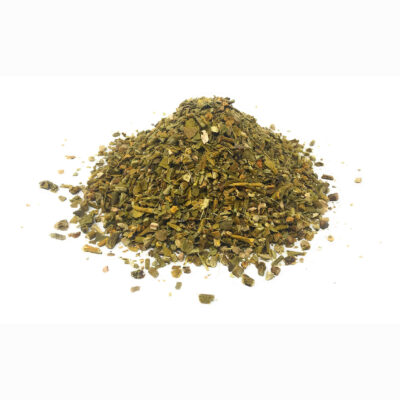
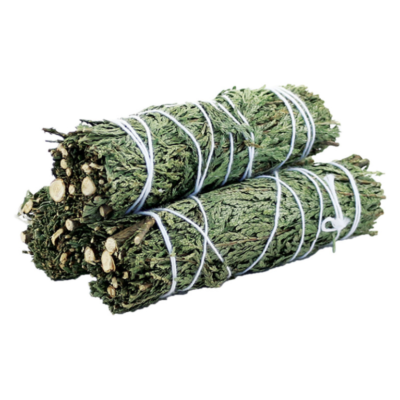
- Air: Mistletoe Leaves, a Cedar Smudge Stick, or incense
- Fire: A candle anointed with Mistletoe Oil or Pine Oil
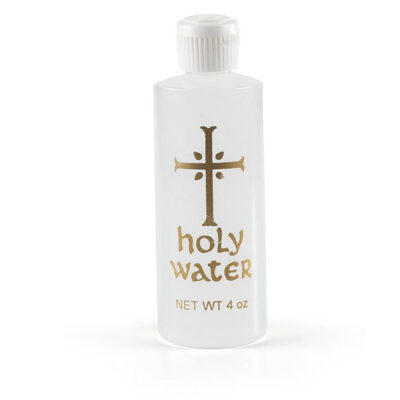
- Water: A dish of Holy Water or fresh snow
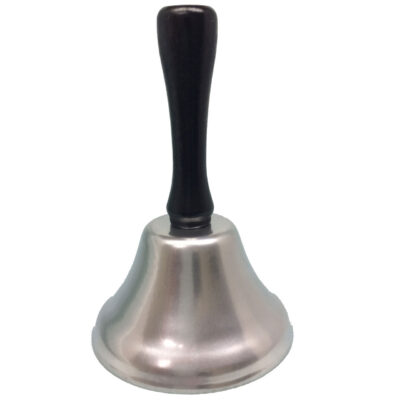
Place an Altar Bell on the left side of the altar. Its gentle tone helps clear stagnant energy and marks the beginning of sacred time.
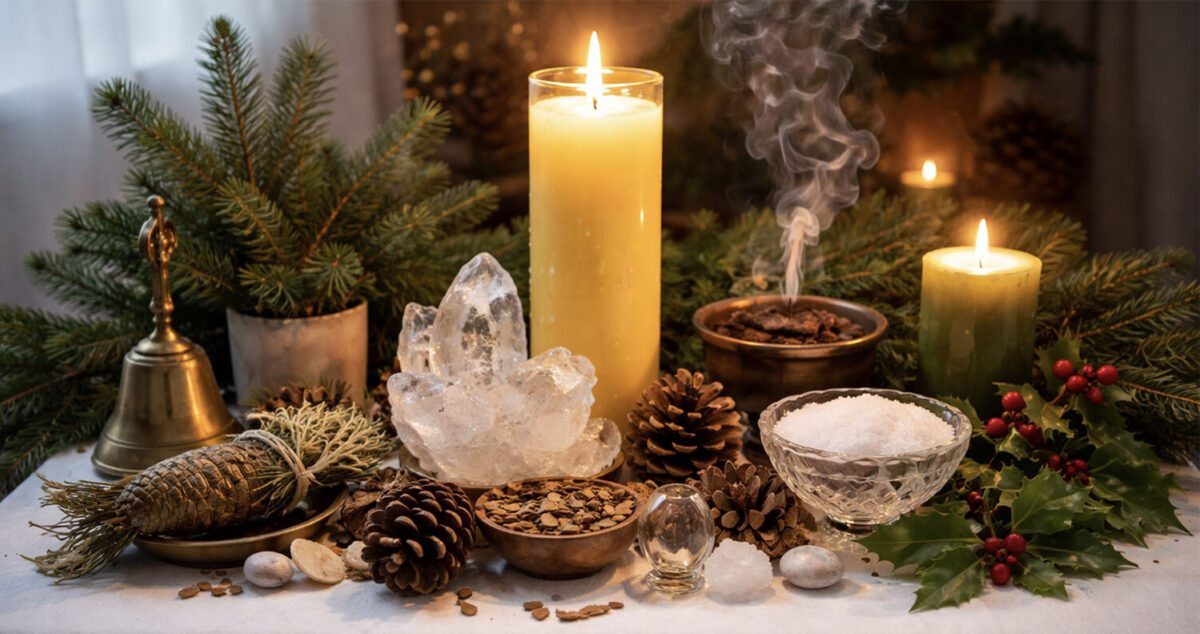
A Winter Solstice altar honoring the elements, where cleansing, renewal, and the gentle return of light are welcomed in sacred stillness.
A Solstice Home Cleansing for New Beginnings
A home cleansing makes space for renewal and clears the residue of the past year. Have these ingredients ready as you create your spell.
- Uncrossing Floor Wash
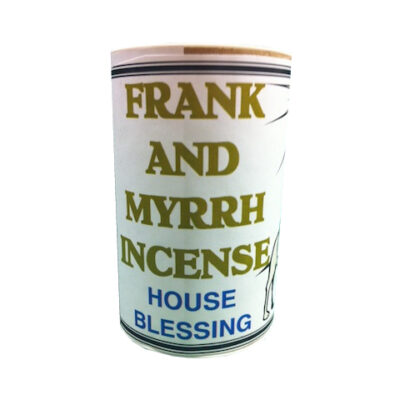
- Holymen Incense or Virgin Mary Incense
- Sea salt
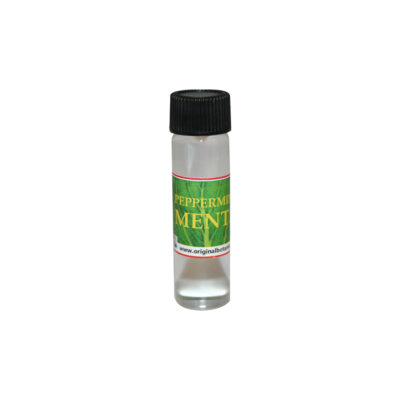
- Peppermint Oil or Lemon Oil
- Florida Water Soap
Begin by tidying your home. Remove clutter, wipe down surfaces, and create open pathways. Wash your floors with Uncrossing Floor Wash, moving from the back of your home toward the front door to symbolically sweep old energy away. Light Holymen Incense or Virgin Mary Incense and walk clockwise through your home. Say, “May this place be cleared and cleansed of all unwanted energies.”
Draw a warm bath with sea salt, Florida Water Soap, and a few drops of oil. Rest in the water and imagine heaviness lifting from your spirit. Allow yourself to air dry to seal the cleansing. Sit quietly afterward and breathe gratitude into your heart.
Welcoming the Returning Light with a Solstice Candle Rite
This candle rite honors the rebirth of the sun and invites illumination into your life. Before starting, set aside these ritual tools.
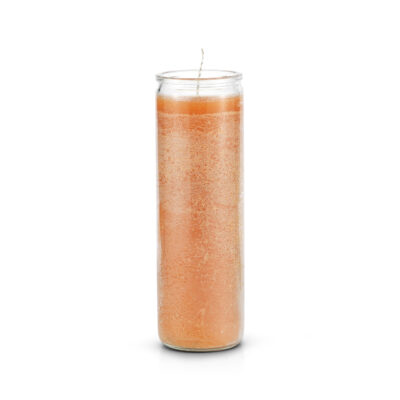
- A yellow candle or gold candle
- A Cedar Smudge Stick or incense
- An Altar Bell
- A fireproof bowl
Sit before your altar and ring the bell. Light the candle and smudge stick. Watch the flame and imagine the first sunrise after a long night. Speak the words, “At the darkest time of year, I welcome back the light of life and growth.” Picture the light filling your body and guiding your intentions for the year ahead.
If you feel called to release old habits or fears, write them on a small piece of paper. Burn the paper safely in the fireproof bowl and let the ashes symbolize your release. Snuff the candle when you feel the ritual has settled within you.
A Winter Solstice Meditation for Rest and Renewal
This meditation supports grounding and deep inner restoration. Gather the following ingredients before beginning.
- A white candle
- Mistletoe Leaves
- A dish of Holy Water
Light the candle and place the mistletoe beside it. Touch the Holy Water to your brow, heart, and hands. Breathe slowly and imagine sinking into the quiet strength of winter. Whisper, “I return to my center, and my spirit is renewed.”
Allow images, emotions, or ideas to arise naturally. When your meditation feels complete, offer gratitude to the energies present and extinguish the candle.
As the light returns, many people find this moment especially powerful for setting intentions and quietly focusing on what they wish to grow in the coming cycle through manifestation rituals.
Spiritual Insights for Daily Life
The Winter Solstice teaches that rest is a sacred act and that renewal grows from moments of quiet. Carry its wisdom into your days by lighting a candle each morning, writing brief reflections in a journal, or cleansing your space with gentle smoke. These small practices extend the blessings of the solstice throughout the season.
Frequently Asked Winter Solstice Questions
Does the ritual need to be performed exactly on the day of the Winter Solstice?
No. The days surrounding the solstice carry a strong spiritual influence and can be used for renewal.
What happens at the winter solstice?
The sun reaches its lowest point in the sky, creating the shortest day and longest night of the year. Spiritually, many view this as the rebirth of the sun and a turning toward increasing light.
Is the day of the Winter Solstice actually the shortest day of the year?
Yes. In the Northern Hemisphere, the Winter Solstice marks the day with the least daylight and the longest night.
Can I use different herbs or candle colors?
Yes. Choose items that feel cleansing, protective, or supportive of your intentions
Do I need snow for the altar’s water element?
No. Holy Water or clear spring water works well as a substitute.
How long should a solstice ritual take?
There is no fixed length. Allow the ritual to unfold naturally at the pace your spirit needs.
Is an altar required for solstice work?
Not required, but helpful for grounding your focus and energy.
Honoring the Solstice and the Year Ahead
The Winter Solstice reminds us that stillness has its own kind of power. By cleansing our spaces, lighting our candles, and sitting with the quiet of the season, we prepare ourselves for the gentle return of light. These rituals help us release old burdens and welcome renewed energy for the coming year.
As daylight slowly grows, carry the lessons of the solstice with you. Trust the value of rest, notice the guidance that rises from silence, and move into the new year with clarity and calm intention. May this season support your growth and open the way to a brighter path ahead.