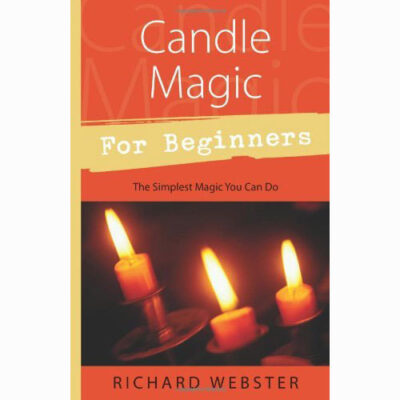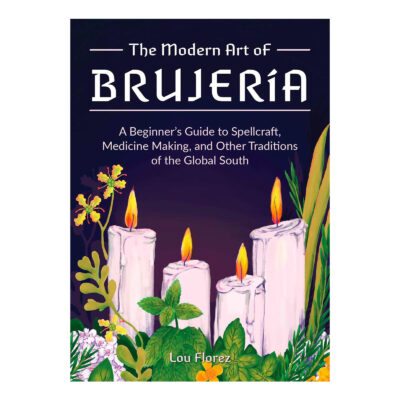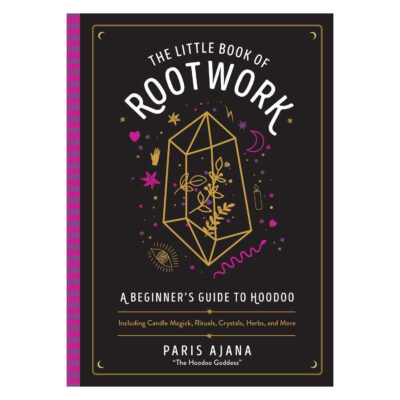
Spellwork for Beginners: How to Start Practicing Safely and Effectively
Spellwork often begins with a quiet curiosity. You may feel drawn to light a candle, set an intention, or shift something in your life that no longer feels aligned. Yet alongside that curiosity, there is often uncertainty. Where do you begin, and how do you practice safely?
Across spiritual traditions, spellwork has always been less about control and more about connection. It is a way of working with energy, intention, and awareness to support change. While tools and rituals can enhance your practice, the foundation is always your clarity, your focus, and your respect for the process.
A spell can be simple, but learning how to approach it with care makes all the difference. For beginners, understanding the basics of safe and intentional practice is more important than performing complex rituals. As you continue, you may begin to explore how timing, results, and energy influence your work in deeper ways.
Before You Begin Spellwork: How to Prepare Your Mind, Space, and Energy
Preparation is the quiet beginning of every successful spell. Before any candle is lit or intention is spoken, take time to create a space that feels calm and supportive.
Start by gently cleansing your environment. If you are unsure where to begin, you can explore how to cleanse yourself and your space before any ritual to create a clear and supportive foundation.
Next, turn inward. Sit quietly and allow your thoughts to settle. Notice your emotional state without judgment. If you feel overwhelmed or scattered, it is better to pause and return later. Spellwork responds to clarity, not urgency.
Finally, define your intention in simple terms. Avoid long or complicated phrasing. A clear and focused intention creates a stronger foundation than something vague or overly detailed.
What Spellwork Is and How It Works for Beginners
Spellwork is the practice of directing intention through symbolic action. This can be as simple as lighting a candle with purpose or as structured as a full ritual with multiple elements.
At its core, spellwork works through three connected forces:
- intention, which defines what you are seeking
- focus, which directs your energy toward that outcome
- alignment, which allows your action to match your desire
When these elements are clear, the ritual becomes a way of reinforcing your intention rather than replacing it.
For beginners, it is helpful to understand that tools do not create the result. They support the process. Your awareness and emotional alignment are what give the work its strength. Spellwork does not replace action in your daily life. Instead, it supports your focus, awareness, and the direction you are already moving in.
If you are interested in the deeper principles behind how intention connects to action, you may find it helpful to explore understanding sympathetic magic and its principles.
Simple Spellwork Tools for Beginners and How to Use Them
You do not need many tools to begin practicing. In fact, starting with a few simple items often leads to a more focused and meaningful experience.
Common beginner tools include:
- candles for intention and focus
- incense for cleansing and spiritual awareness
- oils for anointing and enhancing intention
- water for clarity and emotional balance
Each tool represents a different aspect of energy, but none are required to begin practicing. If you choose to use them, allow their purpose to remain simple. A candle becomes a symbol of your intention. Incense becomes a way to shift the atmosphere.
As you grow in your practice, you may add more tools. You may also want to learn how to prepare them properly by exploring how to cleanse and charge ritual tools and objects for spiritual work, which can deepen your connection to your practice.

You don’t need many tools to begin - simple items often create the most focused and meaningful spellwork experience.
Choosing Your First Spell as a Beginner Based on Your Situation
Selecting your first spell is often where uncertainty appears. Many beginners feel unsure whether they are choosing the right type of work.
Start by identifying your situation clearly. Are you seeking clarity, emotional healing, protection, or a new opportunity? The more specific your understanding, the easier it becomes to choose an approach that aligns.
For beginners, it helps to start with simple and focused categories of spellwork. These are often easier to understand and work with:
- Cleansing and release work, for letting go of stress, negativity, or emotional weight
- Protection work, for creating a sense of safety and energetic stability
- Clarity and guidance work, for decision-making and inner awareness
- Attraction work, for inviting new opportunities, confidence, or positive change
These types of spells are generally supportive rather than forceful. They help shift your energy without creating unnecessary complexity.
For example, a simple protection spell might involve lighting a candle with the intention of creating a calm and protected space, while a clarity-focused spell may center on quiet reflection and focused intention rather than complex ritual steps.
At the same time, there are certain types of spellwork that beginners may want to approach more slowly. These include:
- work focused on controlling or influencing others
- complex multi-step rituals with many tools
- spellwork done from intense emotional urgency or pressure
- practices that require deep knowledge of a specific tradition
These approaches are not inherently wrong, but they require a stronger foundation, clearer intention, and more experience to be effective and balanced.
Avoid choosing spells based on urgency or emotional pressure. Strong emotion can cloud clarity and lead to choosing an approach that does not truly match your situation.
A simple spell focused on one clear intention is almost always more effective than a complex ritual with unclear direction. As your confidence grows, you can gradually explore more advanced forms of practice with greater understanding.
How to Practice Spellwork Safely and Avoid Common Beginner Mistakes
Safe spellwork is rooted in awareness, not fear. The goal is not to avoid mistakes entirely, but to approach your practice with care and intention.
Common mistakes beginners make include:
- acting from desperation or emotional overwhelm
- repeating spells too frequently without allowing time for results
- choosing complex rituals before understanding the basics
- focusing more on tools than on intention
To practice safely, keep your approach simple and grounded. Allow time between your work and its outcome. Trust that your role is to set the intention, not to force the result.
If something feels uncertain or unclear, it is always appropriate to pause. Waiting is often part of safe practice.
When to Start Spellwork as a Beginner for the Best Results
While spellwork can be practiced at any time, certain moments may feel more supportive, especially for beginners.
You may find it helpful to begin when:
- your mind feels calm and focused
- your intention feels clear and steady
- your environment feels quiet and undisturbed
Some practitioners also choose to align their work with natural rhythms such as moon phases or specific days. If you would like a deeper understanding of how timing influences your results, you can explore when is the best time to do a spell for a complete guide.
However, timing should support your practice, not delay it. If you feel ready and aligned, that moment is already meaningful.

Choose a time when you feel calm, clear, and undisturbed, as your inner state is often the most powerful timing for spellwork.
How to Close a Spell and Ground Your Energy After Ritual Work
Closing your spell is just as important as beginning it. This step helps bring your energy back into balance and allows your intention to settle.
After completing your work, take a few quiet moments. Sit with your breath and allow your thoughts to slow. You may gently extinguish candles, tidy your space, or wash your hands to symbolize completion.
Grounding can be as simple as placing your hands on a surface, drinking water, or stepping outside for fresh air. These actions help return your focus to the present moment.
A simple affirmation can bring closure:
I trust that what I have set in motion will unfold in the right way and at the right time.
Building Confidence in Spellwork Through Consistent Practice
Confidence in spellwork does not come from doing everything perfectly. It grows through repetition, reflection, and trust in your own process.
As you continue practicing, you will begin to notice patterns. You may also start to recognize subtle shifts that indicate progress. Learning how to interpret these experiences can help you build trust in your work, especially when exploring how to know if your spell is working and understanding what is real versus imagined.
It can also be helpful to understand that results take time. If you are wondering what to expect, you can explore how long it takes for a spell to work for deeper insight.
Allow yourself to learn through experience rather than pressure. Over time, your connection to your work will deepen, and your confidence will grow naturally.
Why Some Beginner Spells Do Not Work as Expected
Spellwork does not always produce immediate or visible results, especially in the beginning. This is not a sign that something has gone wrong, but often a reflection of timing, clarity, or emotional alignment.
Beginners sometimes approach spellwork with uncertainty or shifting intention, which can affect how energy is directed. Learning from these experiences is part of the process.
If you want a deeper understanding of what may be influencing your results, you can explore why your spell did not work and the spiritual factors that may be involved.
Frequently Asked Questions About Starting Spellwork for Beginners
Can I combine different types of spellwork as a beginner?
It is possible, but it is usually better to focus on one clear intention at a time. Combining too many approaches can create scattered energy and reduce clarity.
Can my intention change after I have already performed a spell?
Yes, but shifting your intention too often can create mixed signals. It is usually best to allow your original intention time to unfold before making changes.
Do I need to follow a specific tradition to practice safely?
No. Many beginners start with simple, intuitive practices. Over time, you may feel drawn to a specific tradition, but it is not required to begin.
What if I feel unsure after completing a spell?
Uncertainty is natural in the beginning. Focus on grounding yourself and allowing time for your work to unfold rather than trying to immediately evaluate results.
Can I practice spellwork regularly, or should I limit how often I do it?
Regular practice is fine, but each spell should have space to unfold. Avoid repeating the same intention too often without allowing time for results.
Understanding Spellwork as a Personal Spiritual Practice
Spellwork is not about mastering a set of rules. It is about learning how to work with your own energy in a thoughtful and intentional way.
As you begin, allow your practice to remain simple. Let your intention be clear, your actions be steady, and your expectations be patient. Over time, what once felt unfamiliar will begin to feel natural.
The path of spellwork is not rushed, and it does not need to be perfect to be meaningful. It unfolds gradually, shaped by your awareness, your experiences, and your willingness to learn.