How to Cleanse and Charge Ritual Tools and Objects for Spiritual Work
Ritual tools are not neutral objects. Each time they are used, they absorb energy from your hands, your emotions, and the spiritual work you are performing. Over time, this energy can build up and affect how the tool responds.
A tool that is not cleansed may feel heavy, dull, or resistant. This does not mean the tool is broken. It simply means it is carrying old energy that no longer serves its purpose. Like any spiritual instrument, ritual tools require regular care to remain effective.
Cleansing removes what is no longer needed. Charging restores strength, focus, and alignment. Together, these practices help maintain a clear connection between intention and action, ensuring your tools remain responsive and spiritually active.
What Does It Mean to Cleanse and Charge Ritual Tools?
- Cleansing ritual tools removes stagnant, unwanted, or residual energy absorbed through use, handling, or environment. This process restores the tool to a neutral energetic state, free from previous influences.
- Charging ritual tools fills them with fresh energy and clear intention so they can function effectively in spiritual work. Charging aligns the tool with its purpose and strengthens its responsiveness.
A tool that is cleansed but not charged may feel empty or inactive. A tool that is charged without cleansing may hold conflicting energy. For best results, cleansing should always come first, followed by charging.
Why Ritual Tools Absorb Energy Over Time
Ritual tools act as extensions of the practitioner. Through repeated contact, emotional states, and focused intention, they naturally collect energetic residue. This process is not harmful, but without maintenance, the accumulated energy can interfere with clarity and responsiveness.
Across many spiritual traditions, caring for ritual tools is considered part of spiritual discipline. Regular cleansing and charging help maintain spiritual hygiene and reinforce respect for the work being done.
How Often Should Ritual Tools Be Cleansed?
New tools should always be cleansed before first use to remove energy from handling, storage, or previous environments. Tools should also be cleansed after intense rituals, emotional work, protection practices, or any work involving release.
Many practitioners cleanse tools monthly or during certain moon phases. Others rely on intuition. If a tool feels heavy, uncomfortable, or unresponsive, it is usually time to cleanse it.

Many practitioners cleanse their ritual tools under the full moon or in rhythm with the changing lunar phases.
Preparing Yourself and Your Space Before Cleansing
Before cleansing your tools, take time to prepare yourself. Wash your hands, slow your breathing, and clear your thoughts. A calm and focused state allows the process to work more smoothly.
Choose a clean surface or altar where your tools can rest undisturbed. This creates a respectful environment and helps keep energy focused throughout the cleansing process.
Best Methods for Cleansing Ritual Tools Safely
There is no single correct way to cleanse ritual tools. Different materials, traditions, and types of spiritual work call for different cleansing methods. A wooden tool may respond better to smoke or sound, while a glass or metal tool may benefit from water or soap.
The most effective cleansing method is one that safely suits the tool and aligns with your spiritual practice. What matters most is not the technique itself, but the care, attention, and clarity you bring to the process. Cleansing done with focus and respect is always more effective than rushing through a method.
Cleansing Ritual Tools with Water
Water is one of the most widely used elements for cleansing ritual tools because it naturally carries energy away. Tools that are safe to get wet may be rinsed briefly or immersed for a short period. Running water is especially effective, as it continuously moves stagnant energy away from the object.
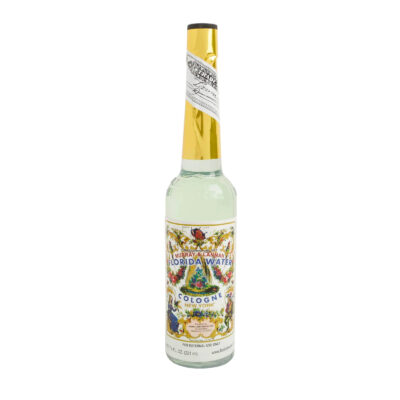
To strengthen the cleansing effect, a small amount of spiritual cleansing water, such as Florida Water, Kananga Water, or Holy Water, may be added to a bowl of clean water. As you cleanse the tool, focus on releasing old energy and restoring neutrality. Always research materials beforehand, as some tools and crystals should never be submerged or exposed to moisture.
Cleansing Ritual Tools with Salt
Salt is known for its ability to absorb unwanted or lingering energy. This method is simple and works well for tools that should not be washed. Place cleansing salt (most commonly sea salt, black salt, or rock salt) in a clean dish and rest the tool on top of it, allowing the salt to draw out stagnant energy.
Sea salt is well-suited for regular cleansing and general maintenance. Rock salt provides deeper, slower clearing and is often used for tools that feel heavily weighed down. Black salt carries strong protective and uncrossing energy and is best reserved for tools used in defensive or banishing work.
Leave the tool in place overnight or until the next day. Avoid burying soft, porous, or delicate items directly in salt, as prolonged contact may cause damage. When uncertain, surface placement provides effective cleansing while protecting the tool.
Cleansing Ritual Tools with Soap
Some ritual tools benefit from gentle physical cleansing, especially items that are handled often. Bowls, candle holders, containers, and similar tools may be washed with mild soap to remove both physical residue and energetic buildup.
Florida Water Soap may be used for this purpose. Clean the item slowly and with intention, staying present throughout the process. Rinse thoroughly and allow the tool to dry completely before storing or charging. Soap cleansing is most effective when done mindfully rather than quickly.

Smoke clears stagnant energy without contact, making it ideal for delicate ritual tools.
Cleansing Ritual Tools with Herbs and Smoke
Herbal smoke is an effective cleansing method for tools that cannot be exposed to water or salt. Smoke works by lifting and dispersing stagnant energy without physical contact, making it especially useful for delicate or energetically sensitive tools.
The most commonly used cleansing smudges and herbs are sage, rosemary, and palo santo, each offering a different quality of clearing. Sage is traditionally used for strong purification and removing heavy or lingering energy. Rosemary provides steady, protective cleansing and is well-suited for regular maintenance. Palo santo offers gentle clearing while restoring balance and uplifting the energy of tools used in healing, prayer, or spiritual alignment.
Burn the herbs safely and pass each tool through the smoke, turning it slowly so all sides are reached. As you do this, focus on old energy dissolving and lifting away. If burning herbs is not possible, tools may be placed in a dish of dried herbs as a gentler alternative.
Cleansing Ritual Tools with Sound
Sound clears energy through vibration, making it an effective cleansing method for tools that are sensitive or delicate. Rather than removing energy through contact, sound breaks up stagnant patterns and restores natural flow.
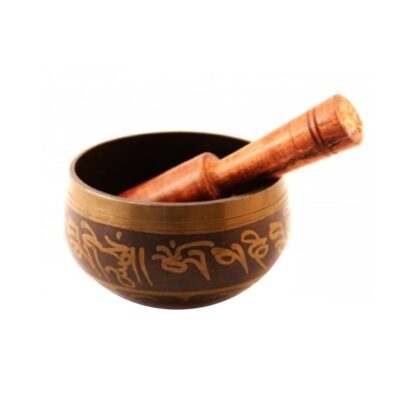
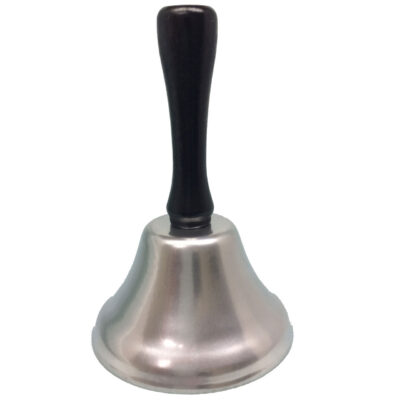
The most commonly used sound tools for cleansing are Tibetan singing bowls and altar bells, each offering a different type of vibrational clearing. Tibetan singing bowls produce deep, sustained tones that move slowly through objects and are well-suited for full, immersive cleansing. Altar bells create sharp, focused vibrations that quickly cut through stagnant energy and are ideal for brief or targeted clearing.
Place the tool on a stable surface and sound the instrument slowly and evenly. Allow the vibration to move around and over the object, focusing on energy loosening and dispersing. Avoid placing crystals or fragile items inside singing bowls, as strong vibrations may cause cracking or damage.
Best Ways to Charge Ritual Tools with Intention
Once a tool has been cleansed, it should be charged with fresh energy and a clear purpose. Charging restores vitality and aligns the tool with its intended spiritual role. This step ensures the tool is not only clear, but also actively supportive of your work.
Charging is most effective when done with focused intention and a calm state of mind.
Charging Ritual Tools with Sunlight
Sunlight provides strong, active energy and is well-suited to tools used for motivation, protection, confidence, or outward-focused spiritual work. This method energizes tools quickly and restores vitality.
Place tools in direct sunlight or near a bright window before noon, when the energy is most balanced. Leave the tool for a short period, then remove it before evening. Be cautious with colorful stones or delicate materials, as prolonged exposure may cause fading or wear.
Charging Ritual Tools with Moonlight
Moonlight offers gentle, steady energy and is commonly used to charge ritual tools without overwhelming them. It supports emotional balance, intuition, and long-term energetic alignment.
The waning moon supports release and clearing, while the waxing moon supports growth, attraction, and intention-building. Place tools where moonlight can reach them and leave them overnight. When possible, allow tools to remain undisturbed through several moon phases to deepen the charging effect.

Cleansing a candle with oil clears lingering energy and sets a focused intention before the candle is lit and put to work.
Charging Ritual Tools with Oils and Spiritual Waters
Oils and spiritual waters may be used to charge tools that are handled frequently or used in repeated rituals. This method anchors intention directly into the object through touch, making it especially effective for tools kept on altars or used in ongoing spiritual work.
Foundational spiritual waters such as Florida Water, Kananga Water, and Holy Water are commonly used for general charging. Florida Water refreshes and energizes tools, Kananga Water supports spiritual alignment and upliftment, and Holy Water is traditionally used for blessing and sacred dedication.
Other spiritual waters may be chosen based on the specific role of the tool. Glory Water is often used to strengthen confidence, recognition, and success-oriented work. Peace Water supports calm, emotional balance, and tools used for reconciliation or healing. Red Rose Water is commonly chosen for love, passion, and attraction work, while White Rose Water supports purity, devotion, and gentle spiritual focus. White Lavender Water is often used for tranquility, spiritual clarity, and tools involved in dream or intuitive work.
Natural waters may also be used with intention. Rain Water carries renewal and fresh beginnings, River Water supports movement and change, and Lake Water is associated with emotional depth, reflection, and steady spiritual grounding.
Spiritual oils may be used alongside waters or on their own. Oils are typically chosen by purpose, such as blessing oils for general harmony, protection oils for defensive work, or prosperity oils for attraction and growth-focused rituals.
Lightly anoint the tool using only a small amount while focusing on its purpose and role in your spiritual work. As you work, clearly state or hold the intention you want the tool to carry so the charge remains focused, stable, and effective.
Charging Ritual Tools with Visualization
Visualization is ideal for tools that cannot be exposed to physical elements or for moments when other charging methods are unavailable. This method relies entirely on focused intention and energetic awareness.
Hold the tool comfortably and imagine light flowing through it, filling it with clear, aligned energy. Picture the tool becoming responsive and purposeful. Visualization works best when done slowly, calmly, and without distraction.
Special Care for Certain Ritual Tools
Some tools respond better to specific cleansing methods. Divination tools, such as scrying mirrors or crystal balls, often benefit from gentle cleansing with herbal teas like mugwort.
Crystals may be charged by placing them near white selenite overnight. Tools that resist cleansing may need gentler methods or additional time.
Keeping Ritual Tools Spiritually Active and Energetically Clear
Cleansing and charging are ongoing practices. Tools used often require more attention than those used occasionally.
Store tools carefully, avoid cluttered spaces, and handle them with awareness. Over time, well-cared-for tools become more responsive and familiar, strengthening your spiritual practice through consistency and respect.
Frequently Asked Questions About Cleansing and Charging Ritual Tools
How often should ritual tools be cleansed and charged?
Most practitioners cleanse tools after heavy use or about once a month. Others follow intuition or moon cycles. Consistent care matters more than strict timing.
Do tools need cleansing before every ritual?
Not always. Light cleansing may be enough between uses. Deeper cleansing is helpful after intense or emotional work.
Can multiple tools be cleansed together?
Yes, as long as the tools are compatible. Avoid mixing fragile items with strong vibrations or elements.
Can cleansing and charging be done at the same time?
Yes. Methods such as moonlight or running water can accomplish both when the intention is clear.
What if a tool still feels heavy after cleansing?
Try a different method or repeat the process slowly. Some energy takes time to clear.
Across many spiritual traditions, the care of ritual tools is considered an essential part of spiritual discipline and respect.
Ritual tools respond to care, patience, and attention. When you cleanse and charge them regularly, you maintain a clear connection between intention and action. Clear tools support clear work, and through steady care, every ritual becomes more grounded, focused, and effective.