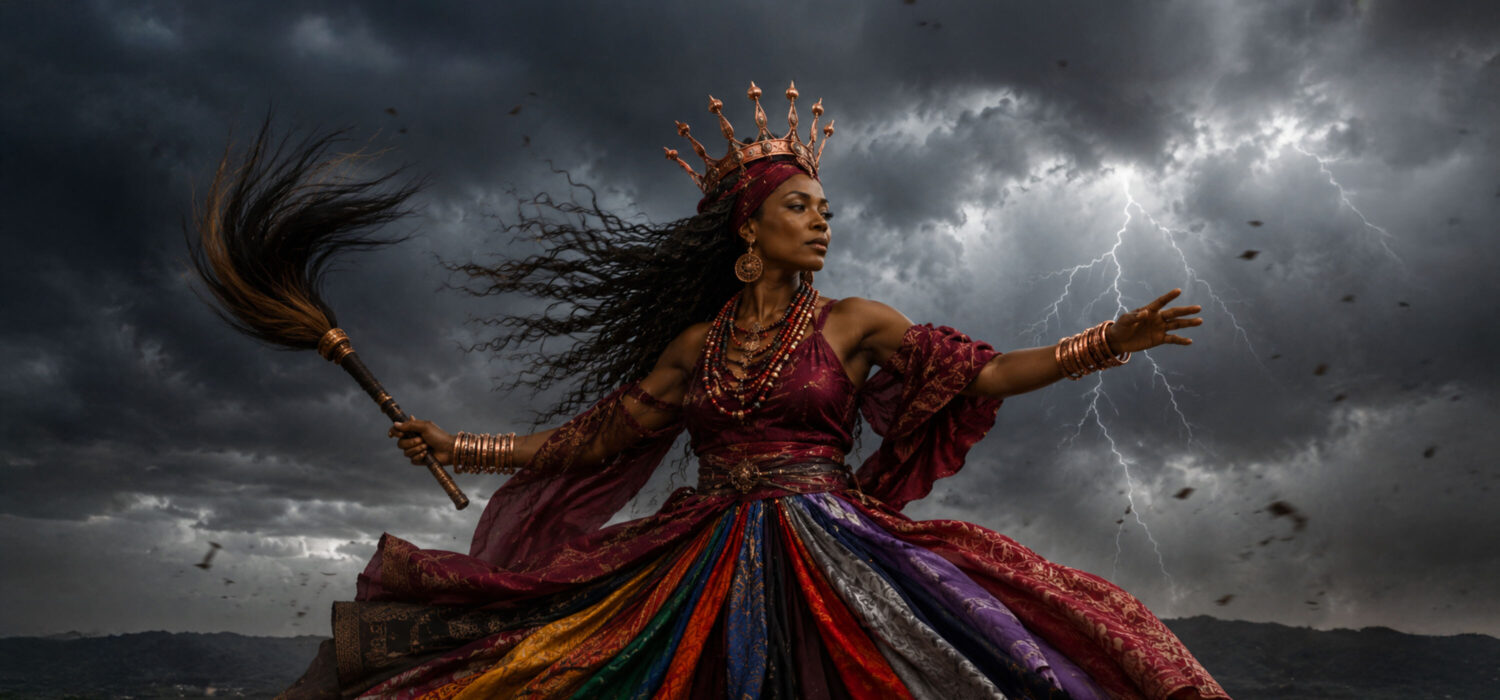
Orisha Oya: Goddess of Storms, Transformation, and the Sacred Dead
You know her before you see her. She is the pressure drop before the sky breaks open. The stillness that precedes the gust that takes everything not rooted deeply enough. She is the wind that carries the last breath of the dying and the first breath of what is about to be born from their passing.
Oya is one of the most powerful Orishas in the Yoruba pantheon, and one of the most misunderstood. People who do not know her well see only the destruction she brings. Those who work with her understand that she does not destroy for its own sake.
She destroys what has outlived its purpose. She tears down what is keeping you small. She clears the path, sometimes violently, because the path needed clearing, and you had been standing in the rubble pretending it was a home.
She is among the Seven African Powers, revered across Yoruba tradition, Santería, Candomblé, and wherever the African diaspora carried its sacred memory. Her name means "she tore" in Yoruba. She earned it.
Who Oya Is
Oya governs the winds, storms, lightning, and the transformative forces of nature that reshape the world whether we are ready or not. She is the Orisha of the marketplace, where she watches for dishonesty and punishes those who deceive. She is the guardian of cemeteries, the only Orisha besides the ancestral Egungun who can enter and command that sacred space. She stands at the gate between the living and the dead, escorting souls through their passage with fierce compassion.
She is a warrior. In battle she fights alongside Shango, wielding a machete and summoning the whirlwind. She is also a mother, a businesswoman, a diviner, and a guide for the grief-stricken. She contains more contradictions than most Orishas because she governs the space where contradictions live: the threshold, the transition, the moment between what was and what is coming.
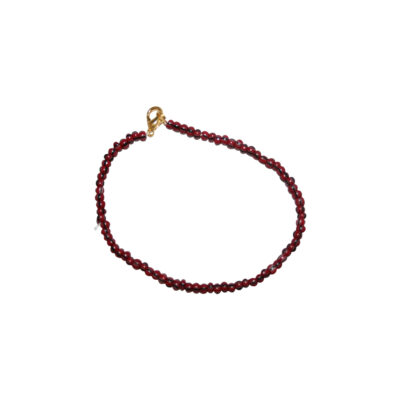
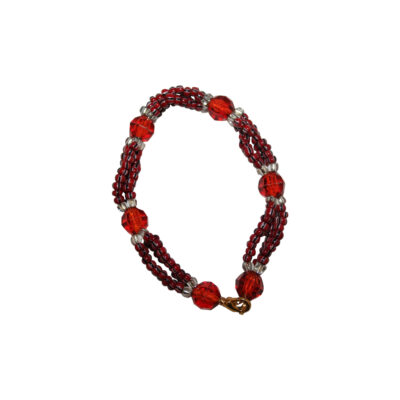
Her sacred number is 9, and she rules over nine paths. Her colors are burgundy, dark red, and brown, never black, worn alongside the nine colors represented in her ceremonial skirt. Her day is Wednesday.
Oya and Shango: Love Like a Storm
To understand Oya fully, you have to understand her relationship with Shango, the Orisha of thunder and fire. They are perhaps the most electric pairing in the entire Yoruba pantheon. Where Shango commands thunder and lightning, Oya commands the wind and the whirlwind. Together they are the full force of the storm.
Their love was passionate, volatile, and completely equal. Oya was no passive consort. She stood beside Shango as a warrior queen, fought with him, argued with him, and matched his fire with her own. In some traditions she is the one who taught Shango the secret of hurling lightning, giving him some of her own power out of love.
She is one of his three wives alongside Oshun and Oba. Where Oshun brought sweetness to Shango's fire and Oba brought devoted loyalty, Oya brought her equal in strength and fury. The three wives together represent the complete spectrum of love's many faces. You can explore the dynamic between all three in our Shango and Oya article.

Oya is known as the goddess of the Niger River in Africa, and Oya is seen as its protector and guardian.
Guardian of the Gate
Oya's connection to death is not morbid. It is sacred. In Yoruba cosmology, death is not an ending but a transition, and Oya is the force that governs that crossing. She stands at the cemetery gates not to frighten but to guide, ensuring that souls complete their passage with dignity and that the boundary between the living and the dead is honored.
This is why she is essential in ancestor work. When you wish to communicate with those who have passed, Oya opens the channel. She works in close relationship with the Egungun, the collective ancestral spirits, and her winds are understood to carry prayers from the living to the dead and messages back again. If you maintain an ancestor altar, Oya belongs in that spiritual conversation.
Her connection to death also makes her the Orisha of transformation at its most profound level. She does not govern small changes. She governs the ones that split your life into before and after.
Oya's Appearance and Sacred Symbols
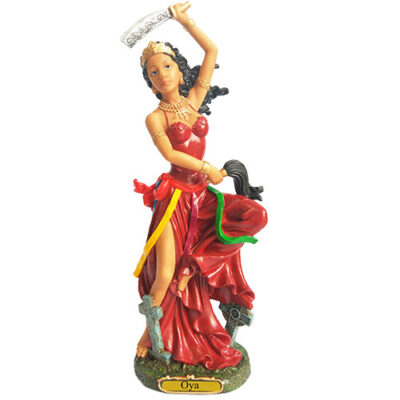
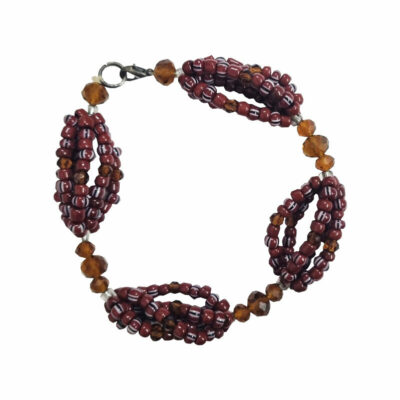
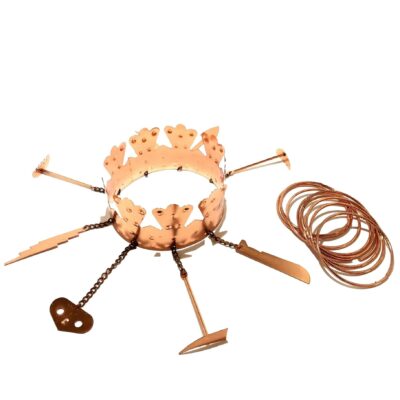
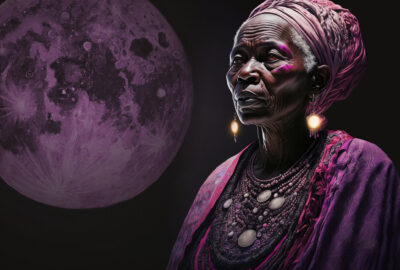
Oya is depicted as a tall, powerful woman wearing a burgundy dress with a skirt woven from nine different colored cloths, each representing one of her paths. She wears nine copper bracelets and carries an iruke, a horsetail whisk that moves the spiritual winds around her. Her crown bears nine points, each adorned with a charm representing different forces she commands.
Her symbols include the lightning bolt, the machete, masks that connect her to the spirits of the dead, and the water buffalo, which represents her capacity for fierce, unstoppable strength. In the famous myth where Oya disguises herself as a buffalo, her true nature is revealed when her secret is stolen from her. She transforms back and returns to the wild, a story that teaches that her power cannot be contained by anyone who tries to claim it without her consent.
She is syncretized in Santería with Saint Teresa of Ávila, whose feast day is October 15th. In some traditions she is also associated with Our Lady of Candelaria, whose feast day falls on February 2nd. Saint Teresa's fierce spiritual determination and refusal to be diminished by the conventions of her time mirrors Oya's own nature perfectly.
Preparing to Work with Oya
Oya does not ask for timidity. She asks for honesty. If you approach her with something you are unwilling to fully release, she will find it and name it. That is not cruelty. That is the gift she gives: she shows you exactly what is holding you back so you can decide whether you are ready to let it go.
Before working with her, spend time in genuine reflection on what in your life needs to change and what you have been avoiding. The work that calls for Oya is rarely comfortable. It is always necessary.
Cleanse your space with Florida Water before you begin, opening windows if possible so the air can move through the space. Set up her altar with a burgundy or dark red cloth, fresh flowers in her colors, and offerings she loves: eggplant, plums, dark grapes, red wine, chocolate, and chickpeas. Place nine of any offering when you can, honoring her sacred number.
The most powerful time to work with Oya is during a storm, when her energy is already moving through the world. If you cannot wait for a storm, open your windows and light her candle when the wind picks up.
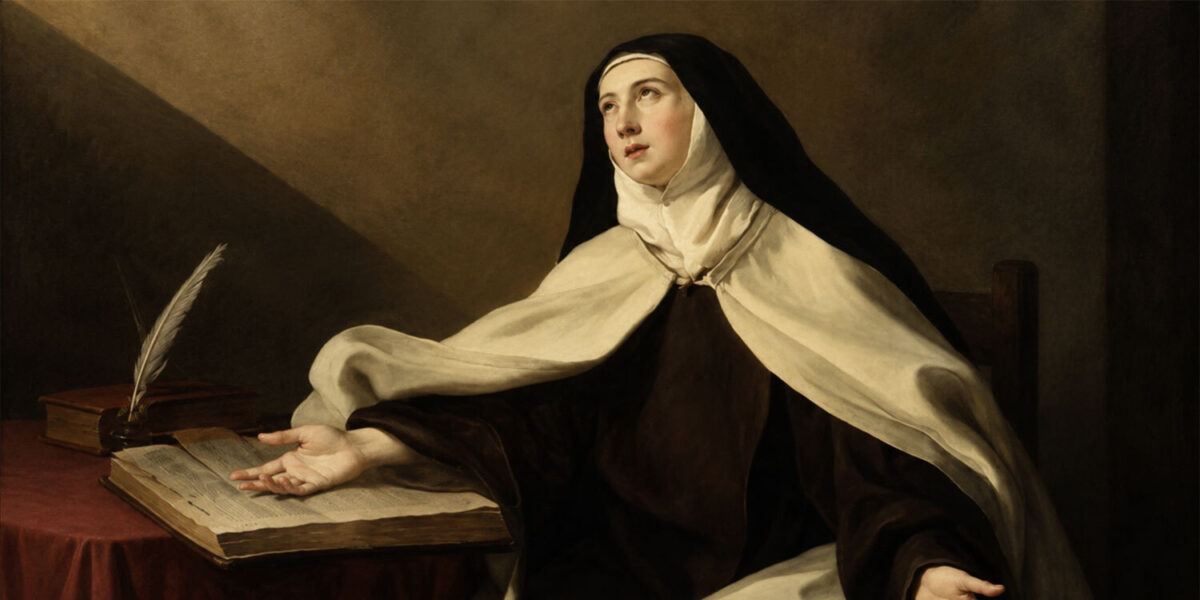
In some traditions, Oya is linked to the Catholic saint, Saint Teresa of Ávila
An Oya Ritual for Releasing What No Longer Serves You
Oya's most fundamental gift is the clearing. This ritual calls on her to sweep through your life and remove what has been blocking your growth, stagnant energy, old grief, patterns that no longer serve, and situations that have quietly been draining you.
Have these ingredients ready as you create your spell:
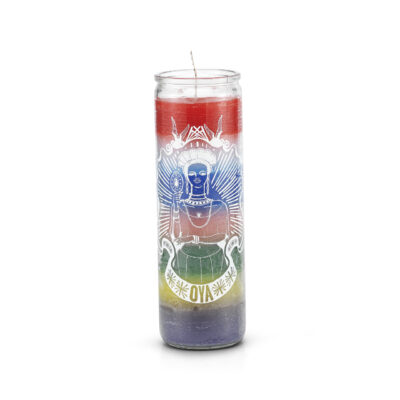
- An Oya 7 Day Orisha Candle
- River Water
- 9 purple or dark red flower petals
- A piece of paper and a pen
- Sea Salt
- An Oya Laminated Prayer Card
- Pennyroyal Herb or pennyroyal oil
Place the candle at the center of your altar space and arrange the prayer card beside it. Fill a small bowl with river water and scatter the nine flower petals across the surface. Add three pinches of sea salt.
On the paper, write everything you are ready to release. Be specific. Vague intentions get vague results. Name the pattern, the relationship, the fear, the grief. Fold the paper away from your body three times.
Anoint the candle with the pennyroyal, drawing from the top downward to pull the old energy away. Light the candle and hold the folded paper in both hands. Breathe slowly and feel the weight of what you have written. Then speak aloud:
Oya, mother of nine, keeper of the gate,
I call on your winds to move through my life.
Take what I have named.
Clear what has stood too long.
I release it now, freely and completely,
And I trust what grows in the space you leave behind.
Place the folded paper beneath the candle holder where it will sit until the candle burns through. Each day, return to the altar and breathe. When the candle is done, take the paper outside on a windy day and release it. Watch it go.
An Oya Ritual for Navigating a Major Life Transition
Oya is the Orisha to call when life has shifted underneath you and you cannot yet see where the ground is. Job loss, the end of a relationship, a move, a death, a diagnosis. Any change that has cracked your foundation open and left you standing in uncertain territory belongs to her.
You will need the following components to perform this ritual:
- A Sweep Away Negativity Hand Carved Candle
- River Water
- 9 pennies or coins
- A small piece of purple or brown cloth
- Sea Salt
- Dark red or purple flowers
Set up your space with a bowl of river water at the center. Place the nine coins around the bowl in a circle, one for each of her paths. Add three pinches of sea salt to the water and lay the flowers nearby.
Light the candle and sit quietly for a moment before speaking. Let the silence hold you. Then address her directly, in your own words, describing the transition you are in. Speak plainly. Tell her what you have lost, what you fear, and what you hope might be waiting on the other side of this.
Then speak this prayer:
Yansa, queen of the winds,
I am standing at the crossing you govern.
I do not ask you to make this easy.
I ask you to walk with me through it.
Show me what I need to see.
Give me the strength to release what is already gone.
And when I cannot find my footing,
Let your winds carry me forward.
Return to the candle each morning for nine days, lighting it briefly as you sit with her and then snuffing it until the following day. When it is finished, wrap the nine coins in the purple cloth and keep them somewhere safe as a reminder that her protection travels with you through the transition.
An Oya Ritual for Ancestral Connection
Because Oya stands at the boundary between the living and the dead, she is a powerful ally for anyone seeking to communicate with or honor their ancestors. This ritual is best performed at dusk, the threshold hour that mirrors her domain.
Before starting, set aside these ritual tools:
- A white 7 Day Plain Candle for the ancestors
- Oya 7 Day Orisha Candle
- River Water
- A photograph or written name of the ancestor you wish to honor
- Fresh flowers in dark or muted colors
- A small glass of fresh water as an offering to your ancestor
- A small glass of rum or dark spirits
- Sea Salt
Set up a small space where the two candles can burn side by side. Place the ancestor photograph or name between them. Set the small glass of fresh water and the glass of spirits in front of the arrangement as offerings to those who have passed.
Light the Oya candle first, asking her to open the pathway. Then light the white candle, speaking the name of your ancestor aloud. Add a pinch of sea salt to the river water bowl and place it before the arrangement. The bowl of river water creates the sacred space. The glass of water is your ancestor's to receive.
Speak to your ancestor as you would if they were in the room. There is no wrong way to do this. Tell them what you have been carrying. Ask for what you need. If you simply want to honor them, say so. Oya will carry your words.
Close by thanking Oya:
Oya, I thank you for opening this road.
Watch over those who have passed through your gate.
Keep them close to us in spirit,
And let their wisdom find us when we need it most.
Allow both candles to burn down fully. Return the river water to the earth when the ritual is complete. To deepen your ancestor practice, building a dedicated Egungun shrine creates a permanent space for this kind of communion.
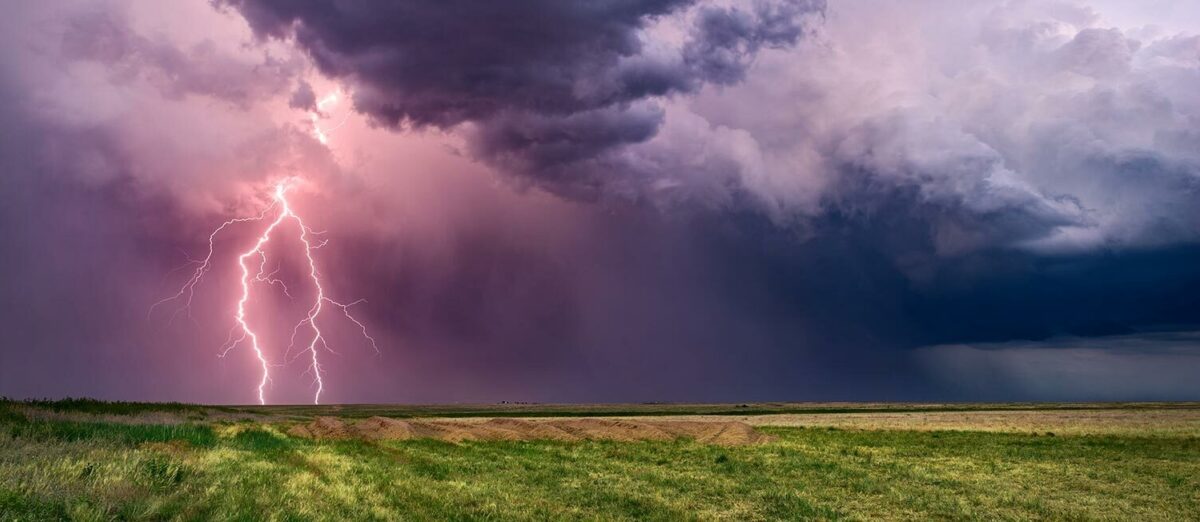
The most powerful time to worship Oya is during a storm.
Everyday Ways to Honor Oya
Oya does not require a storm every time you want to connect with her. She is present in smaller moments too.
Open your windows in the morning and let the wind move through your home. Wear her colors, burgundy, dark red, brown, on days when you need her clarity or her courage. Keep nine of something on her altar, nine coins, nine stones, nine flower petals. Visit a cemetery with respect and intention on her feast days, October 15th and February 2nd, honoring her role as guardian of that sacred space.
When you are facing a decision that frightens you, ask Oya to show you what needs to change rather than asking for things to stay the same. Paying attention to how her candle burns can deepen your ritual practice. The way the flame moves, flickers, or holds steady carries its own messages, and reading those signs is a meaningful part of working with any Orisha.
And when the wind picks up unexpectedly on a clear day, notice it. That is often her way of reminding you she is close.
FAQs About Orisha Oya
Who is Oya in Santería?
Oya is one of the most important Orishas in Santería, governing winds, storms, transformation, and the dead. She is a warrior, a guardian of cemeteries, and the Orisha called upon for major life changes, releasing the past, and connecting with ancestors. She is among the Seven African Powers.
What are Oya's colors?
Her primary colors are burgundy, dark red, and brown. She is never represented with black. Her ceremonial skirt contains nine different colors representing her nine paths.
What is Oya's sacred number?
Nine. Offerings to Oya are traditionally given in multiples of nine, and her crown bears nine points.
What Catholic saint is Oya associated with?
In Santería, Oya is syncretized with Saint Teresa of Ávila, whose feast day is October 15th. In some traditions she is also associated with Our Lady of Candelaria, whose feast day is February 2nd.
What offerings does Oya accept?
Oya loves dark, sweet foods: eggplant, plums, dark grapes, red wine, chocolate, chickpeas, and black beans. She also accepts nine coins, purple and burgundy flowers, and pennyroyal herb.
What is the difference between Oya and Yemaya?
Both govern powerful forces of water and feminine energy, but they are distinct in nature. Yemaya governs the ocean's surface, motherhood, and nurturing protection. Oya governs the winds, storms, and transformation. Where Yemaya sustains life, Oya clears the path for renewal.
When should I call on Oya?
Call on Oya during major life transitions, when you need to release something that is no longer serving you, when you want to connect with your ancestors, or when you are facing a situation that requires fierce clarity and the courage to change.
Oya does not come gently. She was never meant to. The wind does not ask permission before it moves through, and neither does she. But those who learn to work with her rather than resist her discover that what she takes was already dead weight, and what she leaves behind is space, clear and open and full of possibility, for whatever is true in you to finally take root and grow.