How to Create an Ancestor Altar for Guidance, Protection, and Spiritual Connection
Your ancestors are not distant figures lost to time. They remain present in subtle and powerful ways, moving through memory, intuition, and the patterns that shape your life. When you create an ancestral altar, you are not only honoring the past. You are opening a living channel of communication.
Across cultures and spiritual systems, people have turned to their ancestors for guidance, protection, and healing. This is one of the oldest forms of spiritual practice. It exists because people have always known that the connection between the living and the dead never ends. It transforms.
An ancestral altar becomes the place where that relationship is grounded. It gives form to something invisible. It creates a space where you can speak, listen, offer, and receive. Before building your altar, it helps to understand how this practice appears across traditions and what they all share in common.
Different Types of Ancestor Altars Across Spiritual Traditions
Ancestor altars are found in many spiritual paths, each shaped by culture, belief, and history. While the appearance of the altar may change, the purpose remains consistent.
African Diaspora Traditions
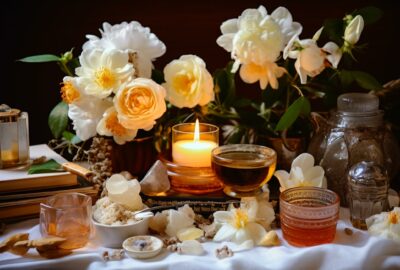
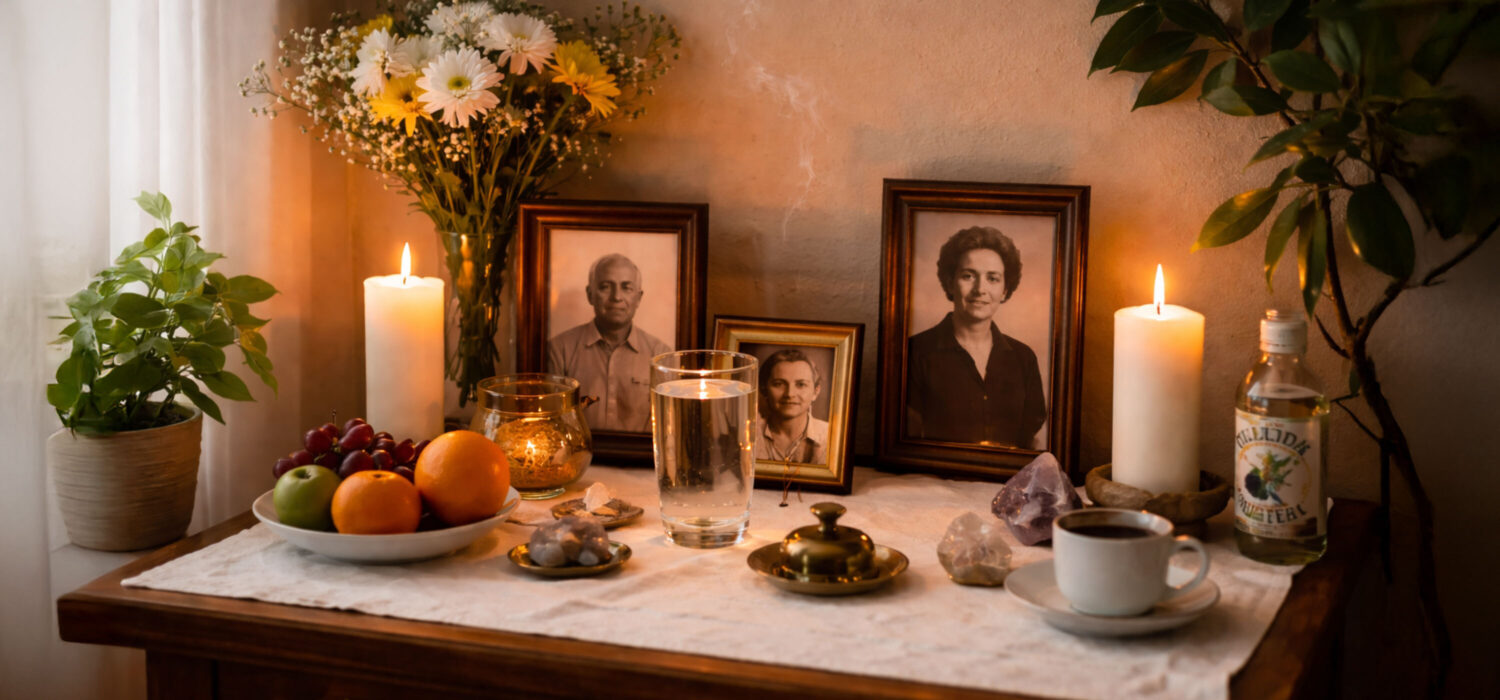
In African diaspora traditions such as Hoodoo, Vodou, and Espiritismo, ancestor altars are often simple and focused. A white cloth, a glass of water, and candles create a clean and receptive space. Spiritual colognes are used to cleanse and invite presence. These altars are tended regularly, and communication with ancestors is direct and ongoing.
In more structured Yoruba-based practices, this form of ancestral work develops into what is known as an Egun shrine, where the relationship with ancestors follows specific spiritual protocols and lineage traditions.
East Asian Ancestral Practices
In East Asian ancestral practices, altars are more structured. They may include tablets with the names of the deceased, incense, and carefully arranged food offerings. These spaces emphasize respect, family lineage, and continuity. Care is given daily or during regular cycles of remembrance.
Folk Catholic Traditions
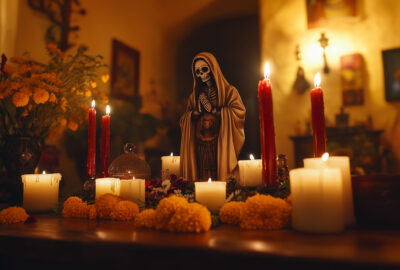
In folk Catholic traditions, ancestor altars often include candles, a rosary, and holy water alongside photos of loved ones. Prayer plays a central role, and the connection is rooted in both remembrance and spiritual support.
Modern and Intuitive Practices
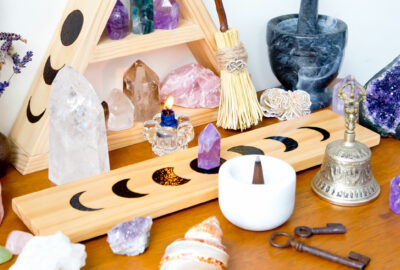
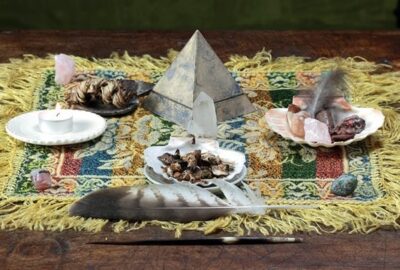
Modern practitioners often take an intuitive approach. They may include crystals, natural elements, or personal objects that hold meaning. These altars evolve over time and reflect the individual's relationship with their ancestors.
Even with these differences, most ancestor altars share the same foundation:
- A dedicated and respected space
- A candle to represent light and presence
- A glass of water as a spiritual bridge
- Offerings or meaningful objects
- Consistent care and attention
These shared elements make it possible to build an altar that is both simple and powerful, no matter your background.
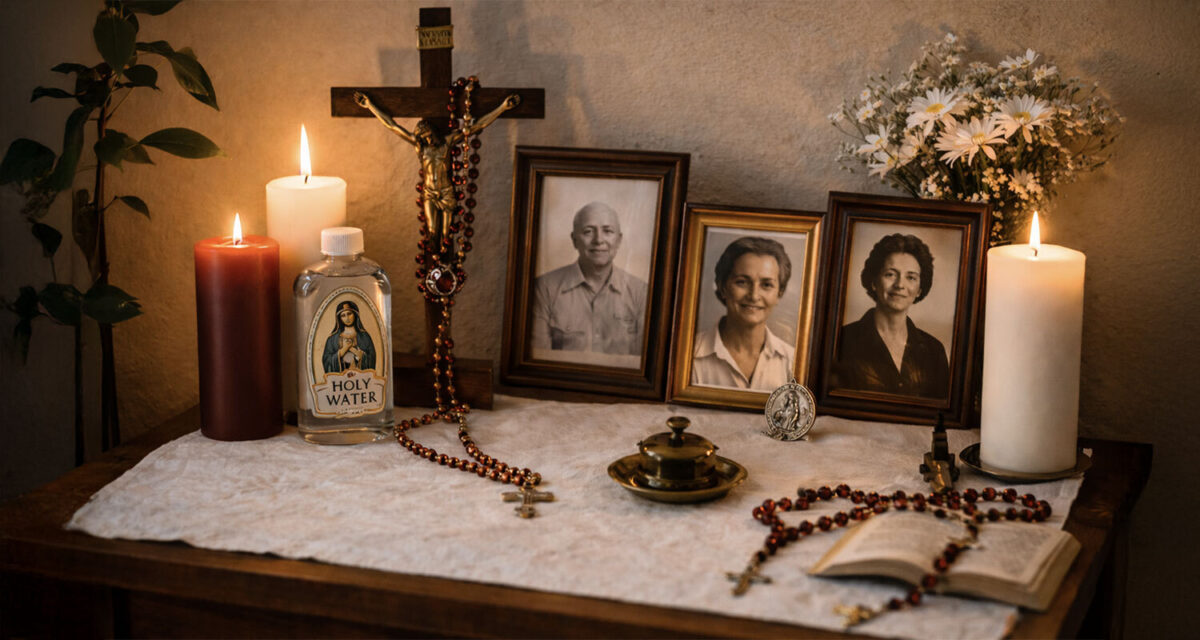
In folk Catholic traditions, ancestor altars often feature candles, a rosary, and holy water alongside photos of loved ones.
Where to Place an Ancestor Altar in Your Home
Choosing the right location for your ancestor altar is an important part of the process. The space you select becomes a point of connection, so it should feel calm, respectful, and consistent.
Look for an area in your home that is quiet and not heavily trafficked. A corner of a bedroom, a shelf in a living room, or a dedicated table can all work well. What matters most is that the space allows you to approach your ancestors with focus and intention, without constant interruption.
Avoid placing your altar directly on the floor. Elevating it on a table, dresser, or shelf shows respect and creates a sense of distinction between the sacred and the everyday. If possible, keep it away from areas associated with stress or distraction, such as near televisions or cluttered workspaces.
You should also choose a location that you can visit regularly. An ancestor altar is not meant to be hidden or forgotten. It becomes part of your daily rhythm, even if you only spend a few moments there each day.
Over time, the space will begin to hold a certain presence. The more consistently you tend it, the more it will feel like a place of quiet connection and support.
How to Prepare Your Space for an Ancestor Altar
Before setting up your altar, prepare the space with intention. This signals respect and creates a clear environment for spiritual connection.
Begin by physically cleaning the area. Remove clutter, dust the surface, and create a sense of order. A clean space reflects a clear invitation.
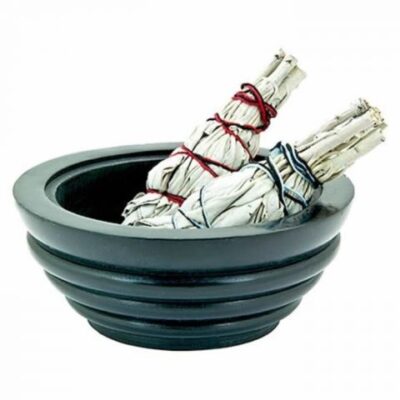
Next, cleanse the area spiritually. Florida Water can be lightly applied to the surface or sprinkled around the space. You may also burn Palo Santo and allow the smoke to move through the area, focusing on clearing any stagnant energy.
Take a moment to sit quietly. Breathe slowly and think about the ancestors you wish to honor. You do not need names or photos. Your intention is enough. Focus on inviting only ancestors of light and love who wish to support your well-being.
How to Create an Ancestral Altar Step by Step
Creating your ancestor altar is a sacred act that establishes the foundation of your relationship with your ancestors. This process is simple, but each step carries meaning. Gather the following ingredients before beginning.
Choose a quiet space in your home where the altar can remain undisturbed. Wipe the surface with Florida Water, moving slowly and with intention as you clear the space. Place a white cloth if you have one, allowing it to represent clarity and spiritual openness.
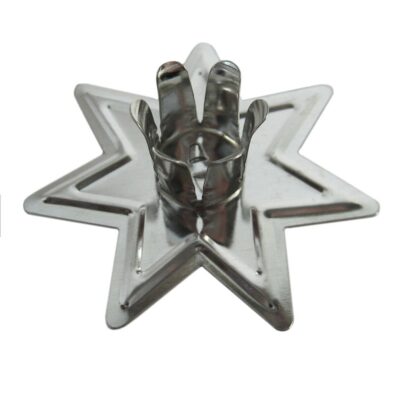
Set a glass of fresh water at the center of the altar. Water serves as a bridge between worlds and helps draw spiritual presence. Place your candle beside it. If you have photos or meaningful items, arrange them gently around the space.
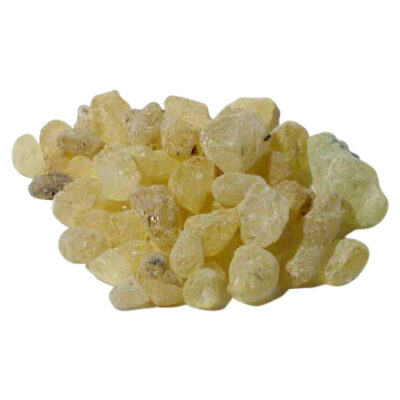
Light the Copal Resin Incense and allow the smoke to rise. As it fills the space, imagine it opening a path between you and your ancestors. Then light the candle.
Speak clearly and with intention:
I welcome my ancestors of light and love.
I offer this space with respect and gratitude.
Walk with me, guide me, and protect me.
Sit quietly for a few moments and notice the feeling of the space. When you are ready to close, allow the candle to burn safely for a time or gently snuff it. Leave the water as an offering and refresh it regularly.
Common Mistakes to Avoid When Creating an Ancestor Altar
Creating an ancestor altar is simple, but there are a few common mistakes that can weaken the connection or create unnecessary confusion. Being aware of these from the beginning helps you build a stronger and more respectful practice.
One of the most common mistakes is inconsistency. An altar that is set up and then ignored loses its spiritual momentum. Even small, regular acts such as changing the water or lighting a candle help maintain the relationship.
Another mistake is allowing the altar to become cluttered. While it can be tempting to add many objects, too much can create energetic noise. Keep the space intentional. Each item should have meaning and purpose.
Some people also make the mistake of calling on all ancestors without discernment. It is important to be clear that you are inviting only ancestors of light and love who wish to support your well-being. This creates a boundary that keeps the space spiritually balanced.
Neglecting cleanliness is another issue. Stagnant water, leftover offerings, or dust can affect the energy of the altar. Keeping the space clean is a form of respect and devotion.
Finally, avoid treating the altar as decoration. It is not just a visual display. It is a living spiritual space. Approach it with presence, speak with sincerity, and allow the relationship to grow naturally over time.
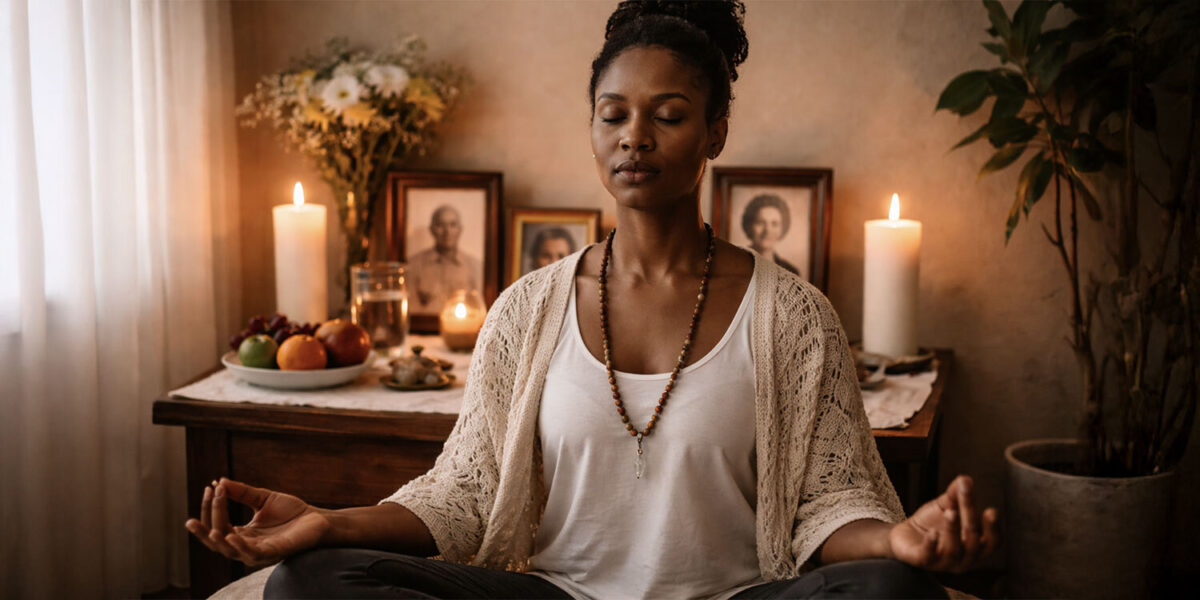
A few sincere moments each day will strengthen your connection to your ancestors over time.
What to Put on an Ancestor Altar for Spiritual Connection
Your altar can remain simple or grow over time. What matters most is intention and consistency.
You may choose to include:
- Photos of ancestors
- Personal items that belonged to them
- Fresh water (changed regularly)
- Additional candles for light
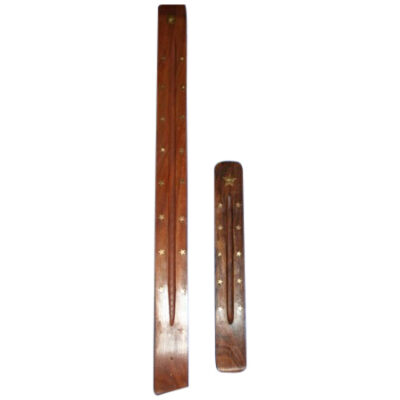
- Incense for cleansing and connection
As your relationship develops, you may feel called to add offerings such as food, coffee, or flowers. These offerings show care and reciprocity. Always remove offerings respectfully after they have been left for a period of time.
Daily Practices to Connect With Your Ancestors
An ancestor altar is not something you set and forget. It becomes part of your daily spiritual rhythm.
You can maintain the connection in simple ways:
- Light a candle for a few minutes each day
- Change the water regularly
- Speak to your ancestors as you would a respected elder
- Offer small portions of food or drink
Consistency matters more than complexity. A few sincere moments each day will strengthen the connection over time. As your connection deepens, quiet practices can help you become more aware of subtle guidance, and approaches like meditation to connect with ancestors and angels can open the space for clearer messages and insight.
Spiritual Meaning of Working With an Ancestor Altar
Working with an ancestor altar teaches patience, humility, and awareness. It reminds you that you are part of a larger story that did not begin with you.
This practice can bring clarity to repeating patterns in your life. It can offer comfort during uncertainty and strengthen your sense of protection. Over time, the altar becomes more than a physical space. It becomes a place of trust and quiet understanding.
Even small acts such as refreshing water or lighting a candle carry meaning. They build a relationship rooted in respect and presence.
Frequently Asked Questions About Creating an Ancestor Altar
Do I need photos of my ancestors to create an altar?
No. Intention is enough. You can call on ancestors of light and love without knowing their names or having images.
How often should I tend my ancestor altar?
Daily attention is ideal, but a few times a week is enough to maintain a strong connection. Consistency is more important than frequency.
Can I include people who were not blood relatives?
Yes. Spiritual ancestors, mentors, and loved ones who shaped your life can also be honored.
What should I do with offerings after placing them on the altar?
Leave them overnight, then dispose of them respectfully outside. This completes the offering cycle.
What if I feel nothing at first?
Connection develops over time. Continue with patience and sincerity. The relationship will deepen gradually.
Continuing Your Relationship With Your Ancestors
You are part of a lineage that extends far beyond what you can see. Every step you take is supported by those who came before you. When you create an ancestral altar, you are choosing to remember that connection and give it space to grow.
With each candle you light and each offering you place, you strengthen a bond that has always been there. Over time, this quiet practice becomes a source of guidance, protection, and steady presence in your life.