Understanding the Orishas: Answers to the Most Common Questions
The Orishas hold an essential place in Yoruba tradition and in many African diaspora religions, including Santeria, Lukumi, Ifa, Candomble, and Umbanda. These sacred beings are honored as living forces that move through nature, shape destiny, and guide spiritual growth. Their stories and teachings travel across time, carrying wisdom that speaks to both community and individual transformation.
For those beginning their journey into these traditions, understanding the Orishas offers a way to explore creation, balance, character, and the sacred rhythms of life. This guide brings together the most frequently asked questions to help seekers gain clarity, approach the Orishas with respect, and build a meaningful spiritual connection.
May these answers open pathways of insight and inspire your continued exploration.
Who was the first Orisha?
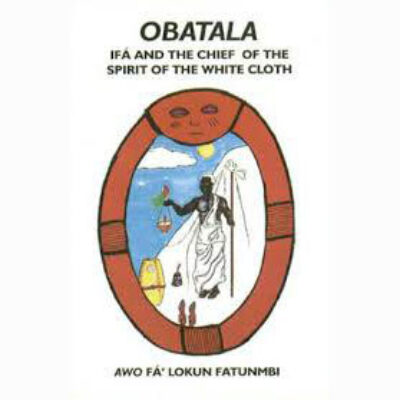
Many traditions teach that Obatala was the first Orisha shaped by the Supreme Creator. He formed the earth and molded humanity, grounding the world in purity, wisdom, and divine order. His role reflects patience, responsibility, and calm authority. Although regional stories vary, Obatala is widely honored as the eldest among the Orishas and a guardian of clarity and peace.
Who are the father and mother of the Orishas?
Olodumare is the Supreme Creator, the source from which all spiritual forces emerge. In the stories of origin, Oduduwa and Obatala often appear as ancestral figures tied to forming the earth and guiding early creation. Through them, the foundations of structure, justice, and cosmic harmony take shape. Their presence reminds us that divine order and compassion begin at the roots of existence.
How many Orishas are there?
There is no fixed number of Orishas, and the tradition embraces this mystery. Even though many named Orishas appear across different faiths and regions, their true number is believed to extend far beyond any complete list. Some lineages speak of 400, 700, or more than 1,000 divine forces. The deeper understanding is that the Orishas are countless, reflecting every movement of nature and every facet of human life.
Who is the most powerful Orisha?
Each Orisha governs a unique realm and expresses a specific aspect of divine energy. Their power is contextual rather than hierarchical, meaning no single Orisha rules over all others. Obatala, Yemaya, Oshun, Shango, Ogun, and Oya are often seen as especially influential because they command major forces of creation, healing, and transformation. The most powerful Orisha in any situation is the one whose energy aligns with the need at hand.
Who is the most feared Orisha?
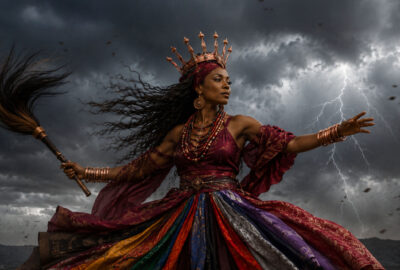
Fear often arises from misunderstanding rather than truth. Orishas like Oya, Shango, and Ogun inspire awe because they command storms, fire, and iron, forces that demand respect. Eshu can appear intimidating because he governs crossroads, communication, and the enforcement of spiritual balance. None of these Orishas seeks to harm. Their intensity teaches responsibility, honesty, and alignment with universal law.
Are Orishas spirits, angels, gods, or something else?
Orishas are divine forces that embody natural elements, moral principles, and cosmic patterns. They are not gods in the Western sense and not angels in the Abrahamic sense, though they share qualities of guidance and protection. Instead, they serve as intermediaries between humanity and the Supreme Creator, making divine energy accessible and personal. Their presence is both spiritual and deeply connected to the natural world.
How do Orishas fit into the concept of God?
In Yoruba cosmology, Olodumare is the singular Supreme Creator. The Orishas come from this source and reflect different expressions of divine power and purpose. Connecting with the Orishas does not replace the Creator but helps people understand and experience divine will through familiar, relatable forces. They stand as bridges that guide humanity toward spiritual alignment and deeper faith.

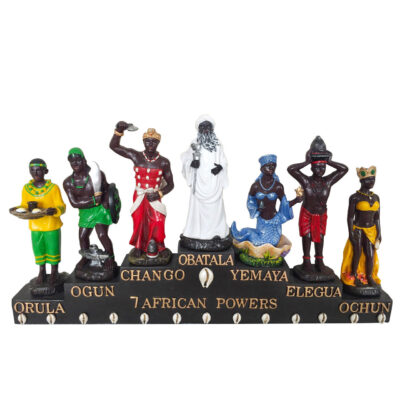
The sacred seven Orishas whose combined energies bring clarity, harmony, and powerful spiritual support.
Which Orishas are the Seven African Powers?
The Seven African Powers are commonly understood to include:
Each brings a unique strength, offering protection, harmony, courage, prosperity, clarity, and transformation. These seven are grouped together because they represent a broad spectrum of divine forces that people often call upon for well-rounded spiritual support. Their energies balance creation and destruction, softness and power, wisdom and movement, forming a complete circle of guidance and protection.
What religions revere and worship the Orishas?
The Orishas originate in the Yoruba religion of West Africa and are honored in Ifa, Lukumi, Santeria, Candomble, Umbanda, and other African diaspora paths. Each tradition carries its own rituals, lineages, and teachings while maintaining deep respect for these sacred beings. Their presence across different cultures speaks to the resilience and adaptability of ancestral wisdom.
Can anyone work with the Orishas, or do you need initiation?
Anyone may respectfully study, pray, meditate, or make simple offerings to connect with the Orishas. Initiation becomes important only when someone is called into the priesthood or a deeper spiritual service. For everyday devotion, sincerity, humility, and consistency are the most meaningful practices. The Orishas respond to honest intention more than formality.
Is it disrespectful to work with Orishas outside of their tradition?
It becomes disrespectful only when done without cultural awareness, humility, or understanding of the tradition’s roots. Honoring the Orishas means learning their stories, respecting their origins, and avoiding distortion or appropriation. With sincerity and responsible study, seekers from any background can form meaningful and respectful relationships with these divine forces.
How do Orishas communicate with humans?
Orishas may communicate through dreams, intuition, synchronicities, and signs that appear in the natural world. Some people feel their presence during meditation or experience sudden moments of clarity that bring insight or direction. In ceremonial settings, communication may come through cowrie shells, Ifa divination, or spiritual possession. However the message arrives, it often carries a quiet certainty that resonates deeply within the heart, especially for those exploring how to recognize when a specific Orisha chooses you and begins to guide your path.
Can the Orishas punish people?
Orishas do not punish out of anger or cruelty. Instead, they correct imbalance and guide people back to alignment. When someone behaves unjustly or ignores spiritual responsibilities, life may bring challenges that serve as lessons. These experiences encourage growth, accountability, and a return to right living.
What is the difference between an Orisha and a loa or lwa?
Orishas originate in Yoruba spirituality, while the loa or lwa belong to Haitian Vodou. Though both traditions honor powerful spiritual intermediaries, they are distinct systems with their own histories, rituals, languages, and cosmologies. Recognizing these differences ensures each tradition is respected on its own terms and within its cultural lineage.
What tools are used to connect with the Orishas?
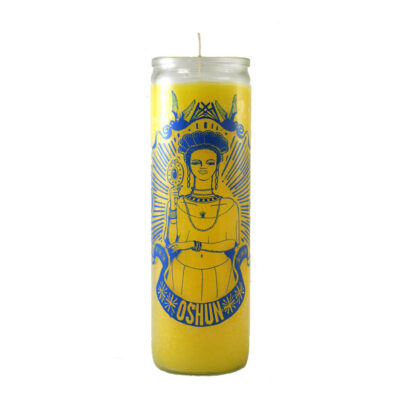
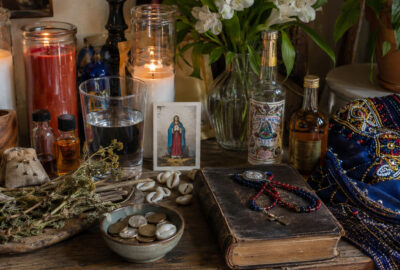
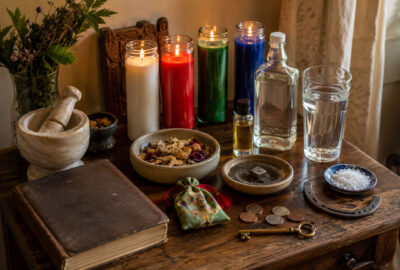
Many people connect with the Orishas through candles, sacred oils, herbs, incense, water, stones, and offerings chosen to match each Orisha’s nature. Orisha altars, prayers, songs, and divination tools help create a focused, reverent environment. These tools support intention, deepen spiritual connection, and invite the presence of the divine.
Reflecting on the Wisdom of the Orishas
The Orishas remind us that spirit moves through every part of life, from the rush of the river to the quiet of early morning light. As you learn their stories and explore their guidance, may you find understanding that strengthens your path and deepens your connection to the sacred world. Each question you ask becomes a doorway to wisdom, leading you closer to the divine forces that walk beside humanity each day.