Full Moons of 2026: A Ritual Calendar
Time moves in quiet spirals, and the full moons of 2026 offer luminous markers along that unfolding path. Each full moon arrives with its own character, symbolism, and inherited wisdom, inviting us to pause within the year’s rhythm and reconnect with the cycles that shape both nature and our inner lives. These lunar moments remind us that reflection, intention, and renewal are not isolated acts, but part of an ongoing conversation between past experience and future becoming.
The rituals and reflections woven around each full moon, from the deep listening inspired by the Wolf Moon to the purposeful intention setting of the harvest moons, reveal our enduring relationship with the sky above and the earth beneath our feet. In honoring these lunar phases, we step into an ancient rhythm that continues to guide, ground, and inspire across generations.
Quick Reference: Full Moons and Special Lunar Events of 2026
The year 2026 features thirteen full moons, with several carrying rare astronomical significance that adds depth to spiritual and ritual work throughout the year.
- January 3 – Wolf Moon Supermoon
- February 1 – Snow Moon
- March 3 – Worm Moon Total Lunar Eclipse (Blood Moon)
- April 1 – Pink Moon
- May 1 – Flower Moon Micromoon
- May 31 – Blue Moon Micromoon
- June 29 – Strawberry Moon Micromoon
- July 29 – Buck Moon
- August 28 – Sturgeon Moon Partial Lunar Eclipse
- September 26 – Corn Moon Harvest Moon
- October 26 – Hunter’s Moon
- November 24 – Beaver Moon Supermoon
- December 23 – Cold Moon Supermoon
Throughout the year, these lunar events include three Supermoons, three Micromoons, one Blue Moon, one Harvest Moon, and two lunar eclipses, making 2026 a richly layered year for lunar observation and spiritual practice.
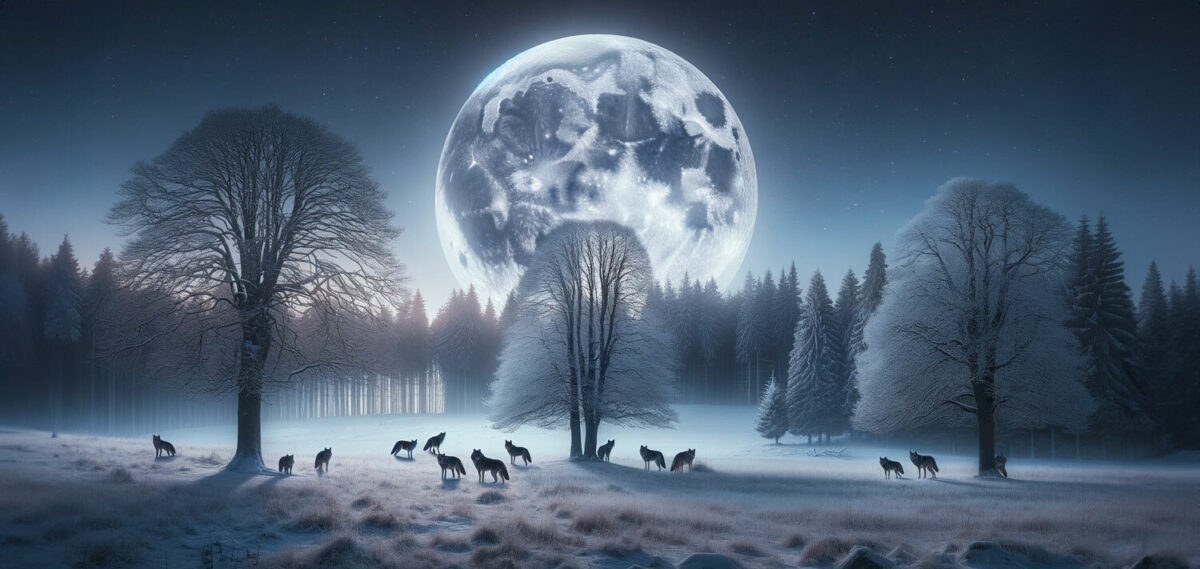
The Wolf Moon of January calls us inward to honor perseverance, instinct, and the turning of time.
Wolf Supermoon - January 3, 2026
Peak Illumination: 5:03 a.m. Eastern Time
The Wolf Moon of January rises during the quiet heart of winter, when the land rests beneath cold skies and long nights invite inward reflection. In 2026, this Wolf Moon also appears as a Supermoon, its closer proximity lending a heightened presence to the night sky. Named for ancestral memories of wolves calling through frozen forests, their voices echoing across the stillness, this moon is deeply connected to instinct, endurance, and the ancient bond between humanity and the natural world.
Spiritually, the Wolf Moon marks a time to reconnect with inner awareness and personal truth. As a Supermoon, its energy feels especially immediate and grounding, inviting deeper reflection on resilience, intuition, and the unseen strength that carries us through challenging seasons. Rituals practiced under this moon often focus on listening rather than action, creating space for insight to surface through meditation, prayer, or quiet contemplation.
Gathering with others during the Wolf Moon remains a meaningful tradition, whether through shared stories, reflective conversation, or symbolic acts of warmth and connection. The glow of firelight or candlelight mirrors the communal strength found in unity and mutual support. This Supermoon offers a powerful moment to set intentions rooted in clarity and commitment, shaping goals that are steady, purposeful, and designed to endure beyond the winter season.
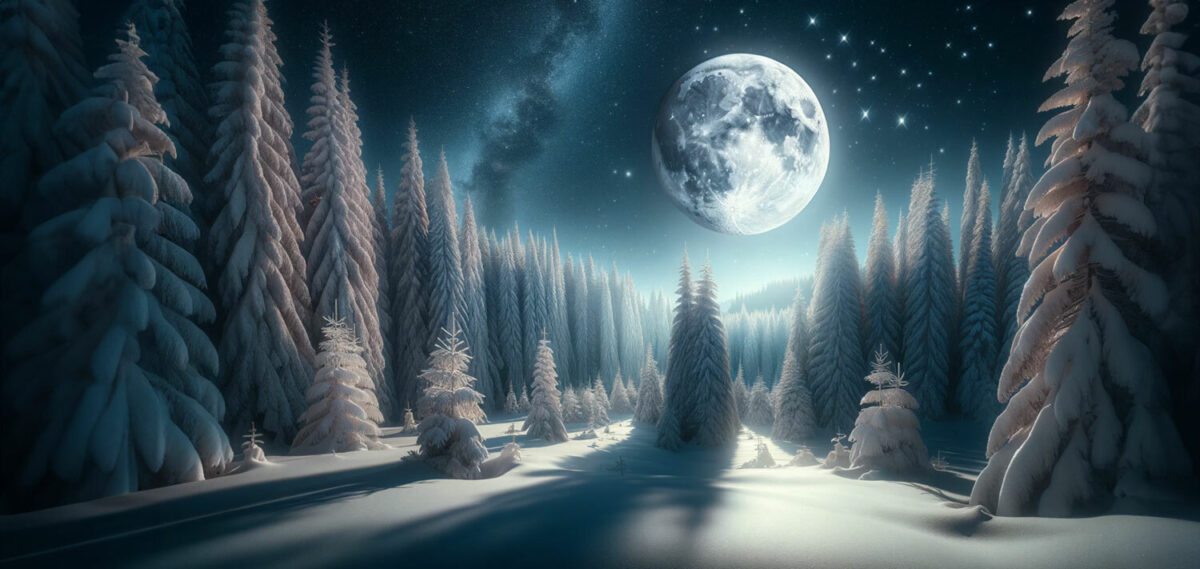
The Snow Moon of February symbolizes purification, renewal, and contemplative reflection in the stillness of winter.
Snow Moon - February 1, 2026
Peak Illumination: 5:09 p.m. Eastern Time
As winter settles into its full quiet, the Snow Moon rises with a luminous glow that seems to echo the blankets of frost and snow covering the land. Its name reflects the long winters of northern climates, where heavy snowfall is a familiar companion to the season. Bathed in cool white light against dark skies, this moon invites a sense of stillness, clarity, and rest.
Spiritually, the Snow Moon is a moment for purification and renewal. Its gentle radiance encourages practices that clear the mind and heart of old burdens and emotional residue. A quiet walk in the moonlight offers a rhythm of breath and step that mirrors the lunar glow, while meditation under the Snow Moon’s watchful eye deepens introspection and connection to inner calm.
This moon’s serene presence reminds us that stillness itself has value. In the quiet of winter nights, we find space to reflect, to let go of what no longer serves, and to welcome the fresh possibilities that lie ahead. The Snow Moon encourages peace in simplicity, beauty in quiet moments, and the steady renewal that follows thoughtful reflection.
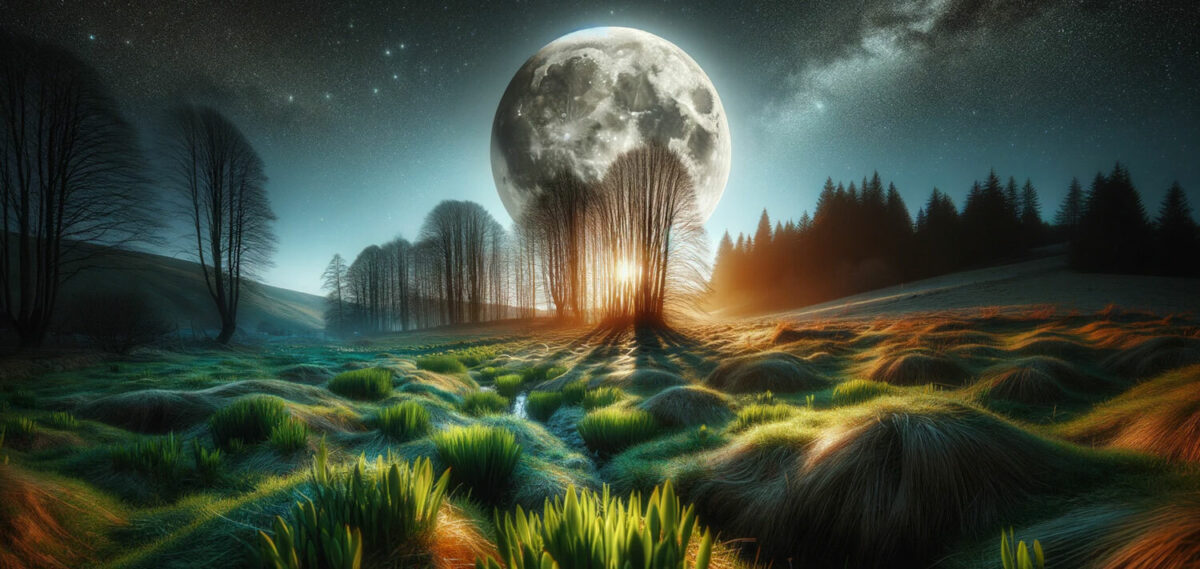
The Worm Moon of March represents renewal, preparation, and the transition toward spring.
Worm Moon - March 3, 2026
Peak Illumination: 6:38 a.m. Eastern Time
As March begins, the Worm Moon rises as a clear signal of seasonal transition, marking the gradual release of winter and the early stirrings of spring. In 2026, this Worm Moon is accompanied by a total lunar eclipse, often referred to as a Blood Moon, adding a layer of intensity and depth to its symbolism. Its name comes from the earthworms that emerge as the frozen ground softens, restoring movement to the soil and welcoming the return of birds and new life. Together, the full moon and eclipse reflect a powerful moment when the natural world begins to awaken, offering tangible signs of renewal through both emergence and release.
The Worm Moon appears in the days leading up to the Spring Equinox, which arrives later in March, and it carries the quiet energy of preparation and growth. The eclipse deepens this threshold moment, symbolizing endings that make way for new beginnings. While the equinox marks the formal balance of light and dark, this eclipsed full moon signals that meaningful change is already underway beneath the surface, often before it is fully visible.
Traditionally, this lunar phase supports rituals centered on new beginnings and intention setting. During a total lunar eclipse, practices of release and transformation become especially meaningful. Sowing seeds, whether in the earth or within one’s inner life, aligns naturally with the Worm Moon’s symbolism, while consciously letting go of old patterns mirrors the eclipse’s invitation to clear what no longer serves. Turning soil, starting new projects, or nurturing long-held plans all reflect the patient work of this season. The Worm Moon reminds us that meaningful transformation often begins unseen, slowly gathering strength before it comes fully into view.
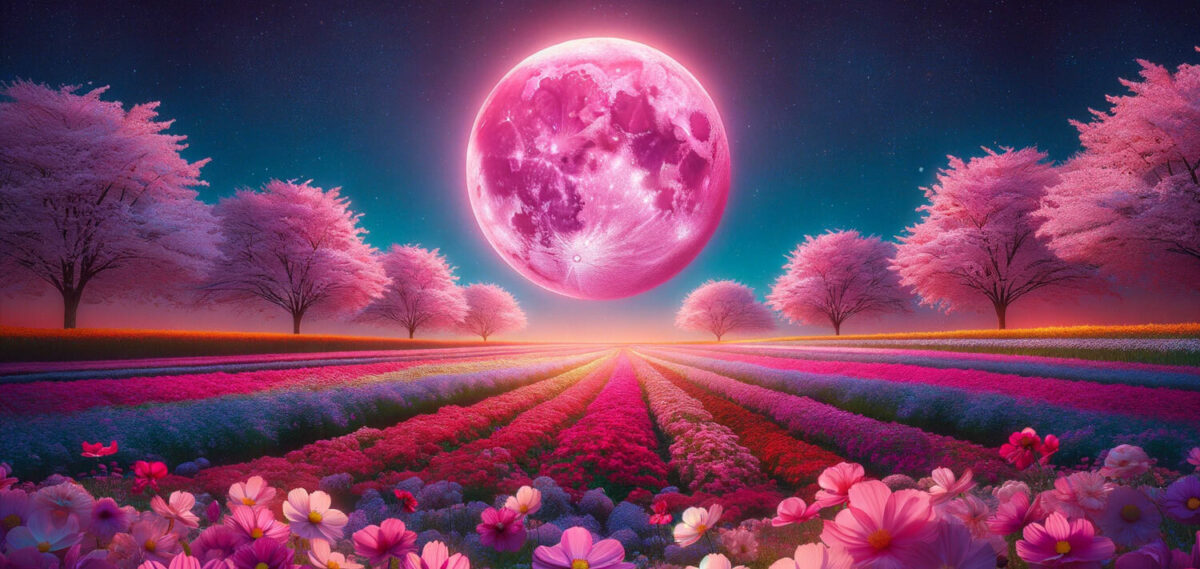
The Pink Moon of April symbolizes renewal, rebirth, and the beauty of spring’s return.
Pink Moon - April 1, 2026
Peak Illumination: 10:12 p.m. Eastern Time
April’s Pink Moon rises as a luminous herald of spring, named for the early ground phlox whose soft blossoms signal the land’s return to color and life. This full moon reflects a season of renewal, warmth, and visible growth, when the earth begins to express what has been quietly forming beneath the surface. Its gentle glow mirrors the tender energy of emergence and rebirth that defines early spring.
Spiritually, the Pink Moon is closely associated with renewal, love, and the celebration of beauty in all its forms. In 2026, this moon appears during the Easter season, a time traditionally linked with resurrection, hope, and spiritual renewal. Together, these energies invite reflection on rebirth not only in the natural world, but within the heart and spirit as well.
Rituals under the Pink Moon often focus on self-care, affection, and emotional openness. Practices such as ritual baths infused with flowers, quiet moments of gratitude, or candlelit reflection help align with the moon’s nurturing influence. Whether honoring new beginnings, deepening relationships, or simply welcoming the return of light and color, the Pink Moon serves as a reminder of nature’s cyclical beauty and our own capacity to begin again.
The Flower Moon of May symbolizes gratitude, prosperity, and the flourishing energy of spring.
Flower Moon - May 1, 2026
Peak Illumination: 1:23 p.m. Eastern Time
May’s Flower Moon rises at a time when the land is fully alive with color, scent, and movement. Named for the abundance of blossoms that cover fields and gardens, this full moon reflects a season of visible growth and generous beauty. It arrives when spring has settled in, offering a moment to pause and appreciate the richness unfolding all around us.
In 2026, the Flower Moon is also a Micromoon, appearing slightly smaller and more distant as it reaches fullness near the Moon’s farthest point from Earth. This subtle astronomical quality lends the moon a quieter presence, emphasizing reflection, mindfulness, and appreciation over spectacle.
Spiritually, the Flower Moon is associated with gratitude, renewal, and the celebration of life’s flourishing. It invites us to acknowledge the gifts we have received and the effort that has carried us to this point. Under its light, attention naturally turns toward appreciation for both the earth’s abundance and the forms of prosperity, creativity, and connection growing in our own lives.
Rituals during the Flower Moon often center on offerings and acts of thanks. Creating a flower mandala becomes a quiet meditation on balance and harmony, each bloom placed with intention as an expression of gratitude. Offering flowers to flowing water or natural spaces serves as a symbolic gesture of giving back, honoring the cycle of nourishment and return that sustains all living things.
The Flower Moon stands as a reminder of the delicate balance between giving and receiving. As a Micromoon, it gently encourages us to notice the beauty of what is already present, to tend what is growing with care, and to move forward with appreciation for the subtle but steady abundance that surrounds us.
The May Blue Moon marks a rare moment for amplified intention, completion, and conscious choice in spiritual practice.
Blue Moon - May 31, 2026
Peak Illumination: 4:45 a.m. Eastern Time
The Blue Moon appears as the second full moon within the month of May, a rare occurrence that carries a sense of expansion and culmination. In 2026, this Blue Moon is also a Micromoon, occurring when the Moon is near its farthest point from Earth. While it shares the season’s fertile energy, its more distant presence gives it a quieter, more reflective quality, emphasizing awareness over intensity.
Spiritually, the Blue Moon invites reflection on what has grown beyond expectations and what is ready to be acknowledged or released. As a Micromoon, its influence encourages discernment rather than urgency, asking us to observe carefully before acting. It is a powerful time to review intentions set earlier in the spring and to recognize patterns that have reached fullness without forcing immediate change.
Quiet contemplation, journaling, or intention refinement under the Blue Moon’s light supports balance and conscious choice. This lunar moment reminds us that abundance carries responsibility, and that true fulfillment comes from honoring growth while remaining grounded, thoughtful, and intentional.
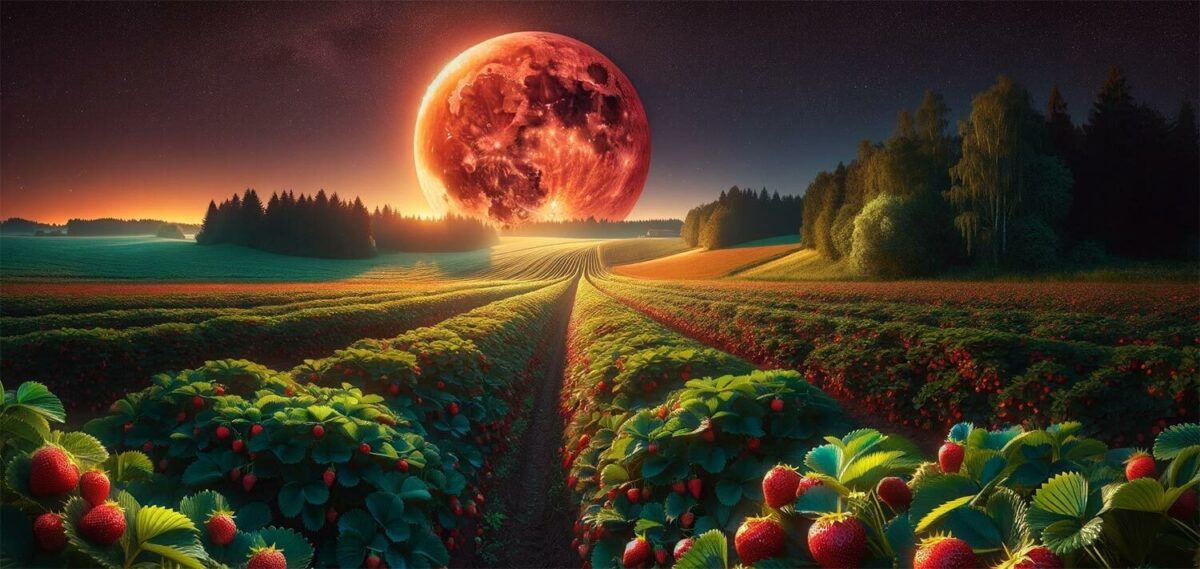
The Strawberry Moon of June symbolizes gratitude, fulfillment, and the enjoyment of seasonal abundance.
Strawberry Moon - June 29, 2026
Peak Illumination: 7:57 p.m. Eastern Time
June’s Strawberry Moon arrives as a gentle celebration of the season’s first harvests, named for the short and cherished window when strawberries ripen under the early summer sun. In 2026, this full moon is also a Micromoon, appearing slightly smaller and more distant as it reaches fullness near the farthest point from Earth. This subtle quality reinforces the moon’s themes of appreciation and presence, reminding us that sweetness is often found in quiet, fleeting moments rather than grand displays.
Spiritually, the Strawberry Moon is associated with gratitude, fulfillment, and the recognition of effort well spent. As a Micromoon, its influence encourages reflection without urgency, offering space to gently acknowledge what has come to fruition, whether personal goals, creative projects, or emotional growth. Gathering with loved ones, sharing meals inspired by seasonal abundance, and honoring simple pleasures align naturally with this moon’s calm and reflective energy.
Rituals under the Strawberry Moon often focus on acknowledgment and thankfulness. Writing gratitude lists, sharing stories of success and perseverance, or quietly reflecting on recent achievements helps ground the joy of accomplishment. This lunar phase encourages us to savor the present moment while setting gentle intentions for continued prosperity as summer unfolds. Beneath the Strawberry Moon’s softer glow, we are reminded to breathe deeply, appreciate what we have cultivated, and delight in the richness of life as it is, right now.
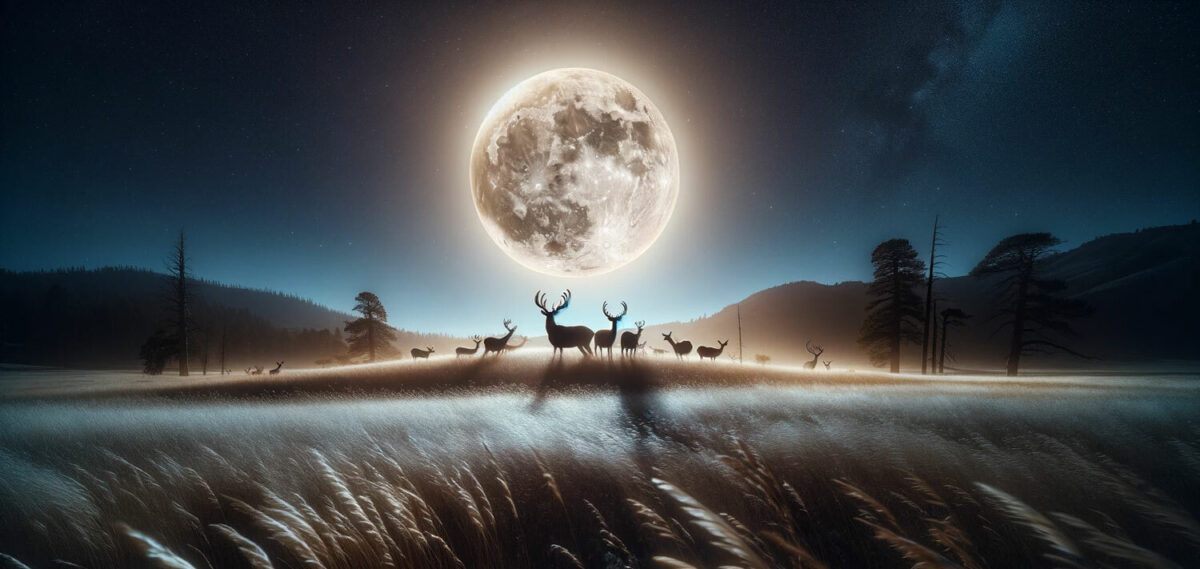
The Buck Moon of July symbolizes renewal, endurance, and personal growth.
Buck Moon - July 29
Peak Illumination: 10:36 a.m. Eastern Time
The Buck Moon rises in midsummer as a powerful symbol of strength, renewal, and steady growth. Its name comes from the natural cycle of buck deer, whose antlers are fully formed during this season. This visible sign of regeneration reflects nature’s ability to rebuild, strengthen, and continue forward with quiet determination.
Spiritually, the Buck Moon is associated with resilience, ambition, and personal development. It invites reflection on the ways we are growing into our own strength, whether physically, emotionally, or spiritually. Rituals practiced under this moon often focus on endurance and confidence, honoring the patience required to cultivate lasting progress.
Movement-based practices such as stretching, mindful walking, or yoga align naturally with the Buck Moon’s energy. These rituals mirror the gradual strengthening seen in nature, encouraging balance, stability, and grounded effort. This moon supports thoughtful evaluation of goals and the resolve needed to continue pursuing them.
The Buck Moon reminds us that growth is an ongoing process. With each cycle, we are offered the chance to strengthen what is already forming and to move forward with confidence and resilience. It is a time to honor progress made and to trust in the steady power of persistence.
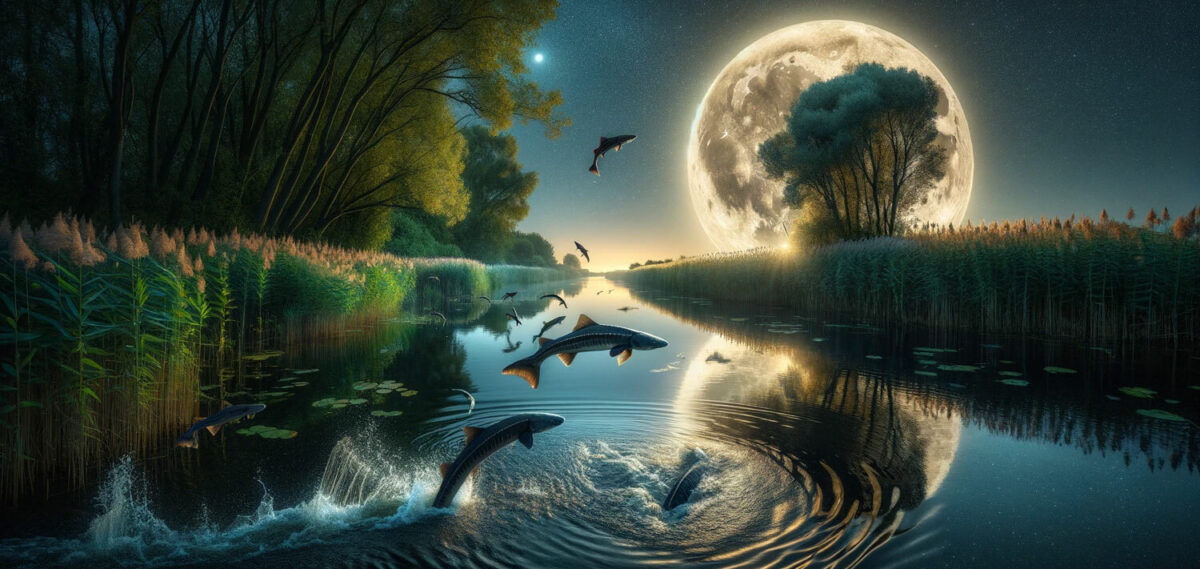
The Sturgeon Moon of August symbolizes abundance, gratitude, and spiritual nourishment.
Sturgeon Moon - August 28, 2026
Peak Illumination: 12:19 a.m. Eastern Time
August’s Sturgeon Moon rises as a symbol of abundance, nourishment, and gratitude for the resources that sustain life. In 2026, this full moon is accompanied by a partial lunar eclipse, subtly shading the lunar surface and adding a reflective quality to its energy. Its name comes from the sturgeon fish that were traditionally plentiful during this season, offering reliable nourishment and reflecting the rewards of patience and steady effort. Together, the full moon and eclipse highlight the balance between visibility and obscurity, reminding us that abundance is shaped not only by what is gathered, but by what is consciously tended and preserved.
Spiritually, the Sturgeon Moon is associated with appreciation and mindful harvesting. The presence of a partial eclipse invites deeper awareness of where gratitude may need refinement or renewal. Rituals under this moon often center on acknowledgment and discernment, encouraging reflection on the forms of abundance that support daily life, whether material, emotional, or spiritual.
Time spent under the Sturgeon Moon may include gentle reflection, meditation, or simple moments of stillness that honor the Earth’s rhythms. The eclipse underscores the importance of balance and intentional care, reminding us that true abundance is sustained through awareness, responsibility, and respect for what nourishes us. This lunar phase offers a moment to recognize what has been gathered, give thanks, and move forward with humility as the seasons begin to shift.
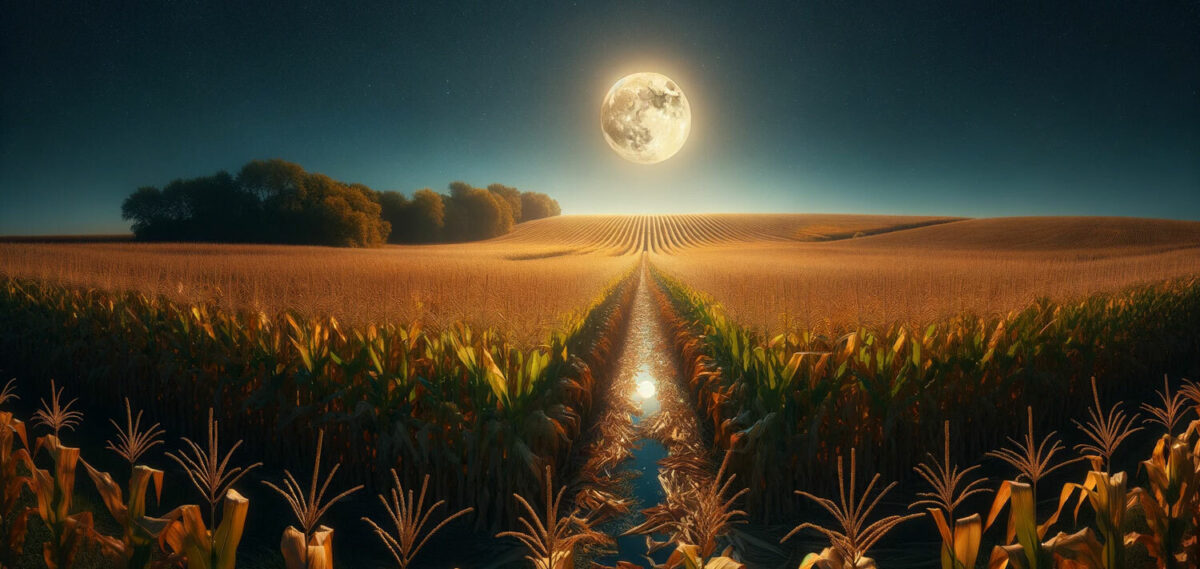
The Corn Moon of September symbolizes nourishment, gratitude, and preparation for autumn.
Corn Moon (Harvest Moon) - September 26, 2026
Peak Illumination: 12:49 p.m. Eastern Time
As summer wanes and autumn’s approach becomes tangible, the Corn Moon rises with steady radiance, inviting a pause to honor nourishment, accomplishment, and personal harvest. In 2026, this Corn Moon also serves as the Harvest Moon, the full moon closest to the Autumn Equinox, traditionally associated with gathering, completion, and readiness for the season ahead. Its name evokes the harvest season, when fields yield their crops and attention turns toward gathering what has been cultivated. Under this full moon’s glow, we are reminded to acknowledge both the literal and metaphorical bounty in our lives.
Spiritually, the Corn Moon encourages reflection on growth, resilience, and gratitude for the journey that has brought us to this point. As the Harvest Moon, it carries added significance as a time to recognize what has reached maturity and what must now be preserved, shared, or released. Rituals under this lunar phase often focus on celebrating what has been achieved, giving thanks for support and sustenance, and preparing for the coming season of introspection and rest.
Practices during the Corn Moon might include journaling about milestones and lessons learned, gathering with loved ones for meals that honor seasonal foods, or simply offering a moment of thanks in nature’s presence. Its warm and gentle brilliance supports both celebration and quiet reflection, reminding us that the harvest is not only in fields but also in experience, relationships, and inner growth.
Beneath the Corn Moon’s watchful glow, we find a sense of completion and readiness, embracing the transition from summer’s vibrancy to the contemplative calm of autumn’s unfolding.
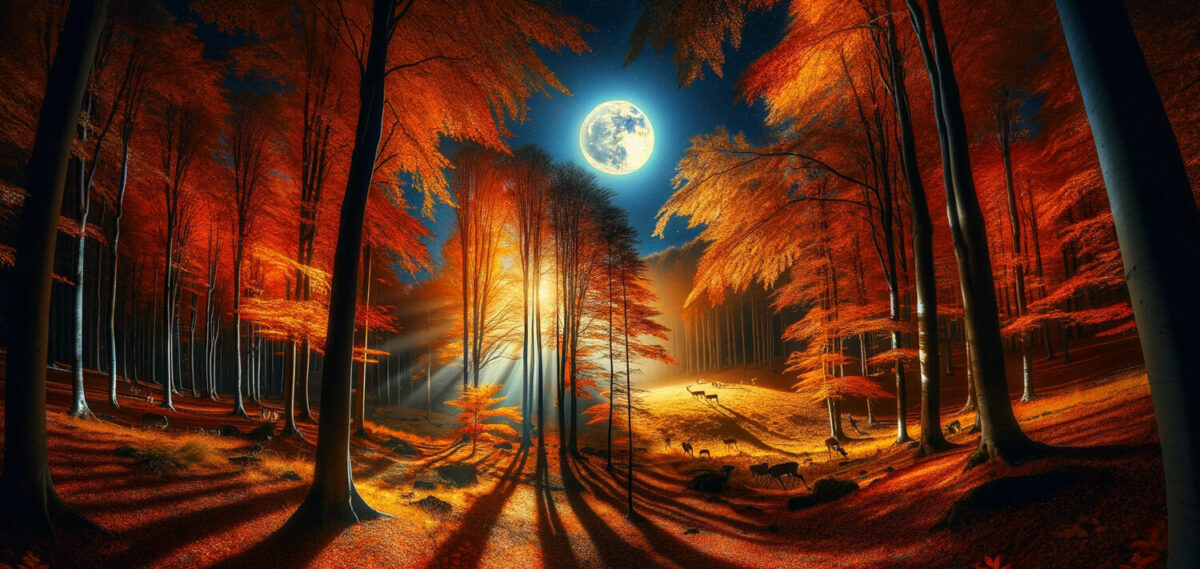
The Hunter’s Moon of October symbolizes readiness, reflection, and spiritual grounding.
Hunter's Moon - October 26, 2026
Peak Illumination: 12:12 a.m. Eastern Time
October’s Hunter’s Moon arrives as a luminous reminder that the year’s cycles are shifting and that preparation, reflection, and intention are essential. Named for the traditional season of gathering and readiness, this full moon historically signaled a time when hunters secured food supplies for the coming winter. In modern spiritual practice, its energy continues to encourage focus on both external preparation and internal wisdom.
Spiritually, the Hunter’s Moon invites us to reflect on what has been achieved and what still calls for attention before the slower months of winter arrive. Rituals under this moon often emphasize mindful clearing, letting go of what no longer serves, and making space for what we intend to carry forward. It is a moment to honor accomplishments, acknowledge lessons learned, and set intentions designed to support strength and resilience in the months ahead.
This moon phase also encourages gratitude for the harvest of experiences, relationships, and growth gathered over the year. Practices such as reflective journaling, intention setting, or moonlit meditation can deepen connection to the year’s unfolding and help align with your deeper goals. Sitting under the glow of the Hunter’s Moon becomes a sacred pause, offering clarity, grounding, and renewed purpose as the seasons turn.
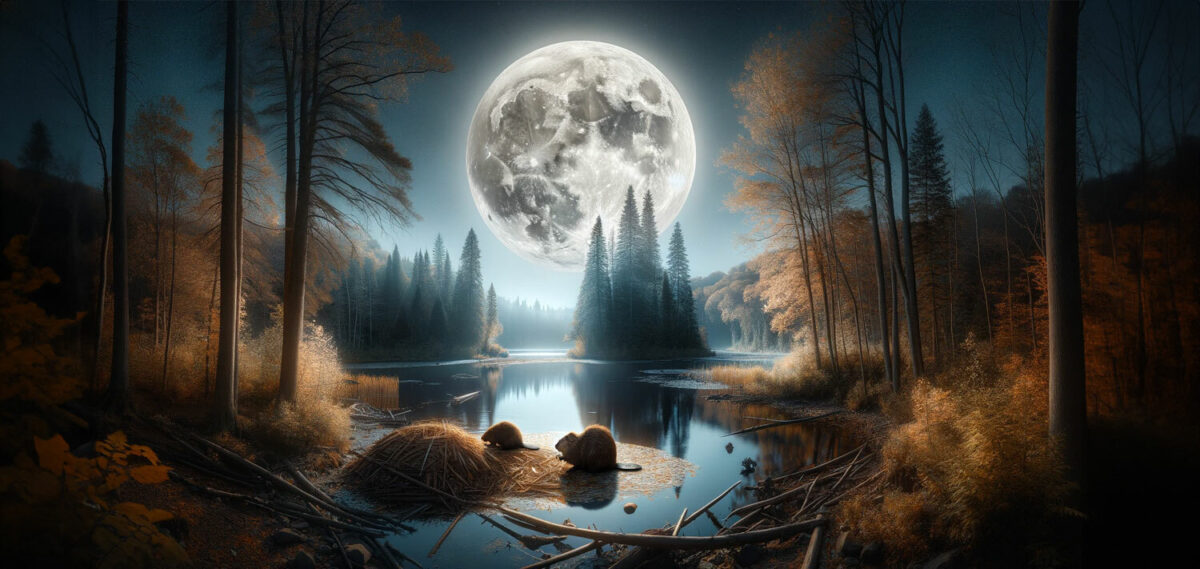
The Beaver Moon of November symbolizes preparation, resilience, and gratitude for what sustains us.
Beaver Supermoon - November 24, 2026
Peak Illumination: 9:54 a.m. Eastern Time
The Beaver Moon rises in late November as a lunar marker of preparation, stability, and gathering. In 2026, this Beaver Moon also appears as a Supermoon, its closer presence lending added weight to themes of readiness and care. Its name comes from the time when beavers traditionally finished building their winter lodges and stocked up on food, a reminder that foresight and steady effort are essential as the seasons shift toward winter. This full moon’s luminous glow offers a moment to reflect on resilience and nourishment in both our outer and inner lives.
Spiritually, the Beaver Moon is associated with grounding, resourcefulness, and thoughtful intention. As a Supermoon, its energy feels especially supportive of strengthening foundations and tending to what sustains us. Rituals under its light may focus on securing what you value most, reinforcing boundaries, and caring for the emotional and spiritual reserves that carry you through colder months.
Practices under the Beaver Moon can include journaling about what you have built and learned over the year, setting intentions for stability and well-being, or engaging in rituals that honor the physical and emotional resources you carry with you. Spending time in quiet reflection, community support, or prayer beneath this Supermoon’s glow encourages a deep sense of preparedness, balance, and inner calm as winter approaches.

December's Cold Moon is a time for introspection and for looking into the hidden parts of oneself.
Cold Supermoon - December 23, 2026
Peak Illumination: 8:28 p.m. Eastern Time
December’s Cold Moon rises as winter settles fully into the landscape, marked by frost-covered ground and long, quiet nights. In 2026, this Cold Moon also appears as a Supermoon, its closer presence lending added intensity to a season already rich with reflection and inward focus. Its name reflects the deepening cold of the year, a time when the natural world slows and turns inward. This full moon arrives as a threshold moment at the close of the year, inviting reflection, rest, and spiritual clarity.
Spiritually, the Cold Moon is associated with introspection, release, and renewal. As a Supermoon, its steady light feels especially illuminating, encouraging an honest review of the year that has passed. It brings awareness to habits, patterns, and emotional weight ready to be laid down, supporting the gentle work of letting go and making space for new intentions to form in the stillness.
Rituals under the Cold Moon often center on release and reflection. Writing down what no longer serves, offering prayers of gratitude, or spending time in quiet contemplation allows the mind and spirit to settle. These practices mirror the natural world’s retreat into rest, reminding us that renewal often begins in silence.
As the final full moon of the year, the Cold Moon offers a moment of completion and quiet promise. This Supermoon invites us to honor our journey, carry forward the wisdom gained, and step into the coming year with clarity, patience, and trust in what is quietly unfolding beneath the surface.
Frequently Asked Questions About the Full Moons of 2026
How many full moons are there in 2026?
There are thirteen full moons in 2026, with the month of May containing two full moons, creating a rare Blue Moon.
Which full moons in 2026 are Supermoons?
The Supermoons of 2026 occur during the Wolf Moon in January, the Beaver Moon in November, and the Cold Moon in December, when the Moon appears larger and brighter due to its closer proximity to Earth.
Is there a Blue Moon in 2026?
Yes. May 31, 2026, is a Blue Moon, marking the second full moon within the same calendar month.
What is the Blood Moon in 2026?
The Worm Moon on March 3, 2026, is accompanied by a total lunar eclipse, during which the Moon takes on a deep reddish hue, commonly referred to as a Blood Moon.
What is the Harvest Moon in 2026?
The Corn Moon on September 26, 2026, serves as the Harvest Moon, as it is the full moon closest to the Autumn Equinox.
How do eclipses affect full moon rituals?
Lunar eclipses often emphasize themes of release, transformation, and deep reflection. Rituals performed during eclipsed full moons typically focus on closure, shadow work, and clearing space rather than manifestation alone.
What is a Micromoon, and which ones occur in 2026?
A Micromoon occurs when a full moon happens near the Moon’s farthest point from Earth. In 2026, the Flower Moon (May 1), Blue Moon (May 31), and Strawberry Moon (June 29) are all Micromoons, offering subtler and more introspective lunar energy.
Integrating the Full Moons of 2026 Into Your Spiritual Practice
As the lunar year of 2026 unfolds, each full moon offers a moment to slow down and listen more closely to the rhythms that shape both the natural world and our inner lives. From quiet micromoons to luminous supermoons and transformative eclipses, these lunar phases remind us that growth, release, and renewal happen in cycles rather than straight lines. By returning to the full moon again and again with intention, reflection, or simple awareness, we deepen our connection to time itself and to the subtle wisdom carried in each passing phase. The moon does not rush its journey, and neither are we meant to.