A Beginners Guide To Hoodoo Rootwork
There is a moment every rootworker remembers. Maybe it was a grandmother's hands grinding herbs at the kitchen table. Maybe it was a candle burning quietly on a windowsill. Maybe it was simply a feeling that the plants and stones around you carried more weight than anyone had explained. That moment of recognition is where Hoodoo rootwork begins for most people, long before they have a name for it.
Hoodoo is also called rootwork, working the roots, or root doctoring. It is a distinct magical tradition born in the American South. It carries the memory of West African spiritual practice, reshaped by enslaved and free Black Americans who drew on whatever Native American and European influences the land placed in their hands. The name itself points to what matters most here. Roots are not decoration. They are the tools of the work.
If you feel drawn to Hoodoo, whether through family, curiosity, or a search for something that feels true to your own history, this guide will walk you through it. You will learn what the tradition actually believes, the roots and curios that define it, and how to take your first respectful steps into practice.
What Do Hoodoo Rootworkers Believe In?
Hoodoo is not a religion. This surprises people who expect a magical tradition to come with its own gods and commandments. Hoodoo was never built that way. It is a practice, not a faith, so it sits alongside whatever a rootworker already believes rather than replacing it.
Many rootworkers are Protestant Christians. Hoodoo's history is deeply woven into Black Christian life in the American South. Psalms are recited over roots. Saints are petitioned alongside ancestors. The Bible itself has long been treated as a conjure book in its own right, its verses read aloud for protection or victory. Other rootworkers come from Catholic backgrounds. Still others practice with no religious framework at all, relying instead on the inherent power of the roots, herbs, and curios themselves.
What unites all of them is a belief in personal power. A rootworker does not need permission from a deity to work a root. The plant carries its own force. The practitioner's will and skill direct it. Praying to a saint or spirit is common, but it strengthens the work rather than being required by it.
Hoodoo also holds no single verdict on good and evil. Like most old magical traditions, its purpose is to create change. That change can look like healing a sick relative, or it can look like making an enemy's life harder. Some rootworkers refuse harmful work entirely. Others see protection, reversal, and even cursing as a natural part of a tradition built to survive real danger. Neither position is more authentically Hoodoo than the other.
Is Hoodoo a Religion, a Practice, or Something Else?
This question comes up constantly, and the confusion makes sense. Hoodoo shares space with Christianity for many practitioners. It borrows imagery from Catholic sainthood. People unfamiliar with it often lump it in with witchcraft. None of those comparisons quite fit. Hoodoo is a folk magical practice with deep Southern Black American roots. It is not a religion, not European witchcraft, and not interchangeable with Vodou, despite the similar-sounding name. If you are wondering whether Hoodoo conflicts with your own faith, or whether it is something anyone can approach, we cover both questions in depth in our guides to whether Hoodoo is a closed practice and whether Hoodoo is evil, demonic, or a sin.
The Roots and Herbs of Hoodoo
Certain plants have earned a permanent place in rootwork, tested and passed down through generations of practitioners. Each one carries its own personality and purpose.
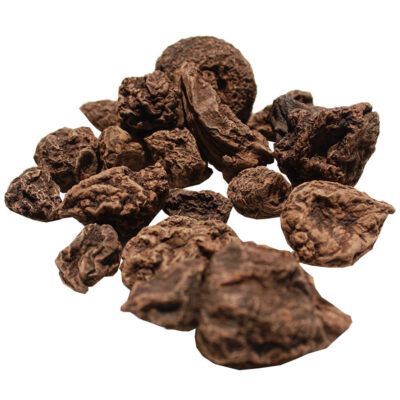
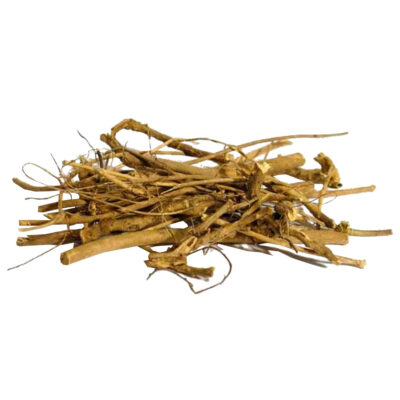
High John the Conqueror Root is perhaps the most famous root in all of Hoodoo. It is named for a folk hero whose cleverness let him outwit captivity itself. Rootworkers turn to it for strength, luck, and victory over hard circumstances. It remains a staple for anyone seeking to reclaim their power.
Adam and Eve Roots are the traditional pair for love work. They strengthen a bond between partners or draw lasting affection into a relationship.
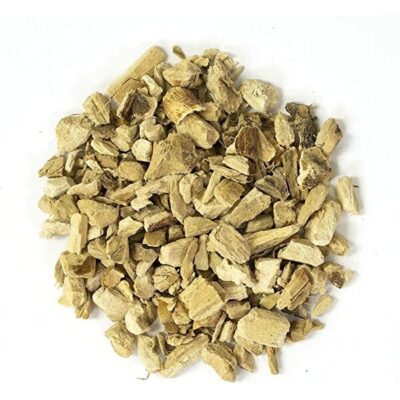
Calamus root has long been used for command and control work, especially in court cases and situations where a rootworker needs the upper hand.
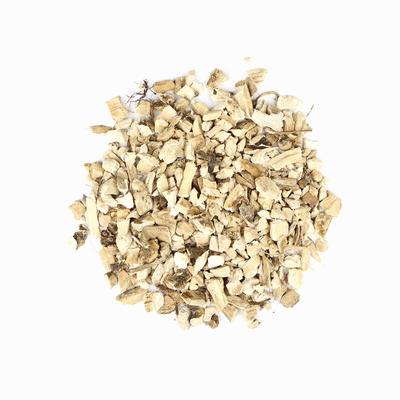
Angelica root, sometimes called Holy Ghost Root, is favored for protection and healing. Women in particular reach for it for spiritual defense and inner strength.
Devil's Shoestring offers a different kind of protection. It tangles up trouble before it reaches you. It is a traditional choice for court case success and job-hunting work alike.
Orris root, also known as Queen Elizabeth Root, belongs to feminine empowerment and love-drawing traditions. It enhances attraction and confidence in matters of the heart.
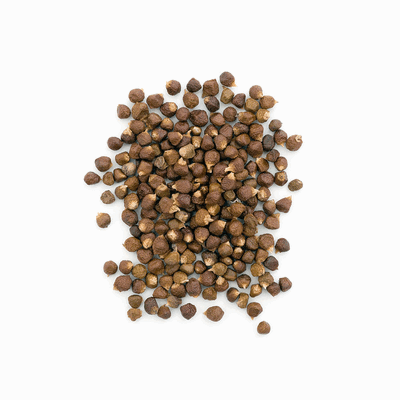
Grains of Paradise carry a fiery, quickening energy suited to luck, money, and gambling work.
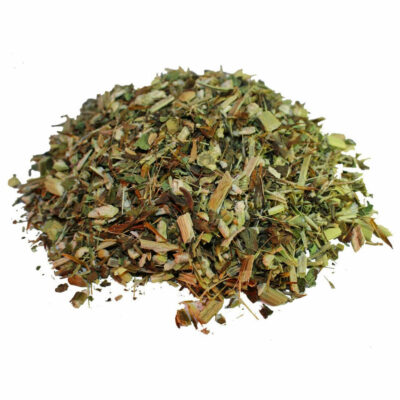
Five Finger Grass, also called cinquefoil, is named for its five-pointed leaf. Rootworkers use it for exactly five kinds of success: love, money, health, power, and wisdom.
Yellow dock root draws money while clearing away the blockages, external and internal, that keep it from arriving.
Black cohosh root protects the home and drives out unwanted spirits or lingering bad energy.
Rattlesnake root specializes in uncrossing. It lifts jinxes and hexes that have taken hold.
Blessed thistle herb rounds out the list as a protector. It is useful for spiritual defense, general health, and breaking hexes that have already been laid.
This is only a sample of the botanical allies rootworkers rely on. Part of Hoodoo's beauty is its resourcefulness. Displaced from their homeland, African American practitioners built a working system from whatever the Southern land offered them. Each root became a thread in a tradition woven from power, prayer, and sheer perseverance.
Other Curios in Rootwork
Not everything in rootwork grows from the ground. Stones and shells carry just as much weight as herbs do.
The lodestone holds an entire tradition of its own. Rootworkers feed and care for it in a set ritual so it keeps drawing what its keeper desires. Its natural magnetism makes it one of the most trusted tools for pulling luck, love, or money closer.
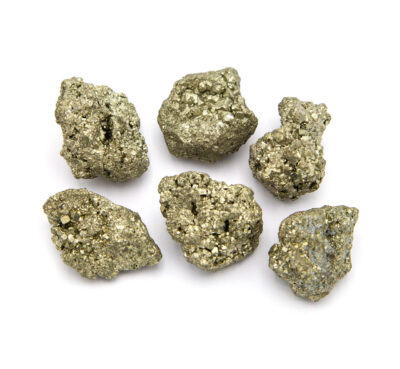
Pyrite, often called fool's gold for its glittering shine, is worked for money and success.
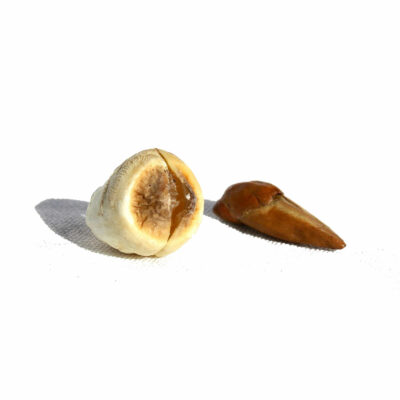
Cowrie shells serve two purposes in rootwork. They appear in money spells for their historical use as currency across West Africa. They also play a central role in divination, helping a rootworker uncover what is hidden before deciding how to act.
How Rootworkers Use Roots and Curios
Working a root is rarely as simple as placing it somewhere and waiting. Rootworkers have developed careful methods for drawing out a plant's power and directing it where it needs to go.
Roots and herbs can be infused into oil, creating a liquid form used to dress candles or anoint the body. They can also be steeped into a bath or floor wash, letting their power settle into a person or a home. A tea made from rue, brewed strong and sprinkled around the home, is a traditional way to ward off evil and protect everyone living inside it.
Dried herbs take on a different role. Ground into a sachet or sprinkling powder, they can be dusted in doorways, worked into a candle, or carried on the body. They also fill mojo bags and sweetening jars, lending those tools their strength. Dried or fresh rose petals are a classic addition to a sweetening jar meant to draw a lover closer. They can also be carried in a love mojo for the same purpose.
Getting Started in Hoodoo Rootwork
If you feel called to this tradition, the honest first step is patience. Hoodoo rewards practitioners who take time to understand the roots they are working with. That means learning not just their names, but their history and the respect they are owed.
Start small. Learn one root deeply before reaching for ten. Spend time with the plant itself if you can. If not, read everything available about its traditional uses before working with it. Keep a simple journal of what you try and what results follow. This is how rootworkers have always learned, through direct, patient attention rather than shortcuts.
Approach the tradition's Southern Black roots with real respect. Hoodoo grew out of specific, hard history. Honoring that history is part of practicing well, whatever your own background. When a working calls for petitioning a saint, an ancestor, or a spirit, understanding where that specific piece of the tradition comes from is not optional. It is central to the practice.
From here, the natural next step is your first working. A simple protection sachet, a beginner mojo bag, or an anointing oil made with a single well-understood root are all good places to start before moving into more complex work.
The Everyday Wisdom of Rootwork
At its heart, Hoodoo teaches that power is already around you. It lives in the roots underfoot, the stones in the earth, and the will inside your own hands. You do not need permission to notice that. You only need the patience to learn how to work with it responsibly.
Frequently Asked Questions
What is Hoodoo?
Hoodoo is a folk magical tradition that developed among Black Americans in the Southern United States. It blends West African spiritual practice with Native American and European influences. It is also called rootwork because of its deep reliance on roots, herbs, and other natural curios.
Is Hoodoo a religion?
No. Hoodoo is a magical practice, not a religion. It has no shared deity or doctrine. Practitioners come from many different faith backgrounds, including Christianity, Catholicism, and no religious tradition at all.
Is Hoodoo the same as Christianity?
Not the same, but closely intertwined for many practitioners. A large number of rootworkers are Protestant Christians who bring Psalms, prayer, and Biblical imagery directly into their conjure work. Many treat the Bible itself as a source of spiritual power alongside their roots.
Is Hoodoo witchcraft?
Hoodoo and witchcraft share some surface similarities, since both work with natural materials to create change. But Hoodoo is a distinct tradition with its own history and roots in the American South, separate from European witchcraft.
Is Hoodoo the same as Voodoo?
No. Hoodoo is a folk magical practice from the American South, while Voodoo, more properly called Vodou, is an organized religion from Haiti with its own priesthood and spirits. Both share African roots but grew into very different traditions. Our full comparison of Hoodoo and Voodoo breaks down exactly how they differ.
How do I start practicing Hoodoo?
Begin by learning the history and roots of the tradition with genuine respect. Focus on understanding one root or curio deeply before working with it. Simple beginner workings, like a protection sachet or a single-root anointing oil, are a good place to start.
Can anyone practice Hoodoo?
This is a nuanced question worth its own careful answer. Our guide to whether Hoodoo is a closed practice covers it in full.
Hoodoo rootwork asks for patience before power. Learn the roots, honor where they come from, and the tradition will teach you the rest, one working at a time.