Smudging vs Smoke Cleansing: Understanding the Difference with Respect
The words smudging and smoke cleansing are often used interchangeably in modern spiritual practice. Many people say they are “smudging” when they light a bundle of herbs, waft smoke through a room, or cleanse their personal energy. This language is widespread, familiar, and deeply embedded in how practitioners talk about spiritual cleansing today.
At the same time, these two terms do not mean the same thing. Understanding the difference between smudging and smoke cleansing is not about correcting or judging anyone’s practice. It is about clarity, respect, and choosing words that reflect both personal intention and cultural context. When we understand where these practices come from and how they are traditionally understood, we deepen our relationship with the work itself.
In short, smudging is a sacred Indigenous ceremonial practice, while smoke cleansing is a widely shared spiritual method used across cultures.
Why Smudging and Smoke Cleansing Are Often Confused
Smudging and smoke cleansing can appear very similar on the surface. Both involve burning plant material and using smoke to interact with a space, an object, or the self. Both are commonly associated with clearing stagnant energy and restoring balance. Over time, especially through books, shops, and online content, the word smudging became a general term used to describe many forms of smoke-based spiritual cleansing.
This overlap reflects modern usage rather than traditional definitions. Most contemporary practitioners who say they are smudging are actually practicing smoke cleansing, an open and widely shared method found across many spiritual traditions. Understanding this distinction helps preserve the meaning of smudging while still honoring modern spiritual practice.
What Smudging Traditionally Refers To
Smudging is a sacred ceremonial practice rooted in certain Indigenous cultures of the Americas. It is not simply a method of cleansing, but a spiritual act that involves prayer, relationship, and cultural protocols. Traditionally, smudging is taught within community and lineage, using specific plants and intentions connected to those traditions.
Because of its ceremonial nature, smudging is not considered a general-purpose spiritual technique. This is why many people today choose to reserve the word smudging for its Indigenous context, even while acknowledging that the term is commonly used more broadly in modern spiritual language.
This mirrors a similar, ongoing conversation within Hoodoo about who the tradition belongs to and how it should be approached by newcomers. Our full breakdown, Is Hoodoo a Closed Practice?, walks through that debate.
What Smoke Cleansing Means in Modern Spiritual Practice
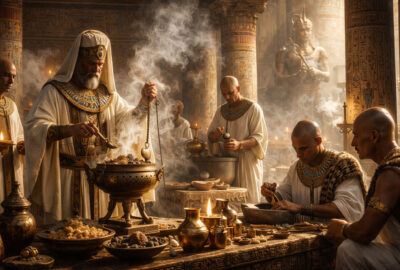
Smoke cleansing refers to the use of smoke from herbs, resins, or incense to refresh a space, shift energy, or mark a transition. Unlike smudging, smoke cleansing is not tied to a single culture or lineage. Variations of smoke cleansing exist in African, European, Asian, Middle Eastern, and folk spiritual traditions, as well as in contemporary personal practice.
Today, smoke cleansing is commonly used before spiritual work, when entering a new home, after emotional stress, or as part of ongoing energetic maintenance. Many people first encounter this practice through gentle introductions to smudging for beginners, learning how to work with smoke intentionally and safely without rigid rules or ceremonial claims.
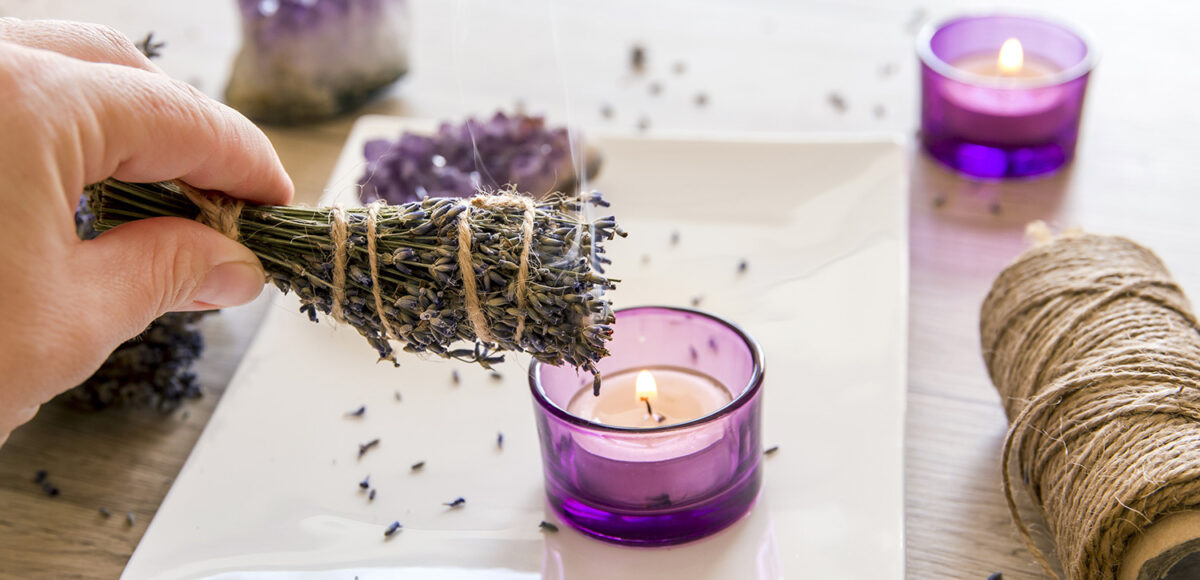
Lavender smoke cleansing is commonly used to soothe emotions, ease tension, and restore gentle balance.
Why Language Matters in Spiritual Practice
Language shapes how we understand what we are doing. Using words thoughtfully allows us to honor both personal experience and cultural history. Recognizing that much of what is called smudging today is actually smoke cleansing does not invalidate modern practice. Instead, it places that practice within a clearer and more respectful framework.
As practitioners learn more about materials, traditions, and symbolism, this awareness often develops naturally. Choosing accurate language becomes part of choosing the right smudging tools, including what is burned, how it is used, and the intention behind it.
Herbs Commonly Used for Smoke Cleansing
Another reason the terms smudging and smoke cleansing are often blurred is that many of the same plants appear in both conversations. Smoke cleansing may involve a wide range of herbs, selected for their scent, symbolism, or personal resonance.
Commonly used herbs include:
- Rosemary, often associated with clarity, protection, and mental focus
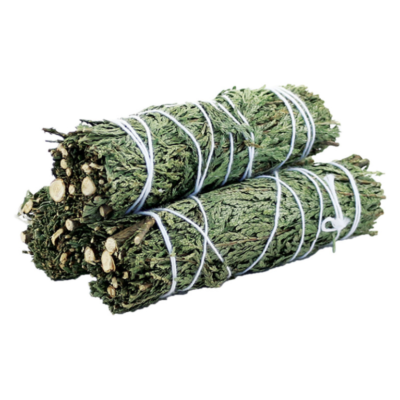
- Cedar, traditionally linked to grounding, stability, and purification
- Lavender, commonly used for calm, emotional balance, and peace
- Mugwort, often chosen for intuition, reflection, and dream work
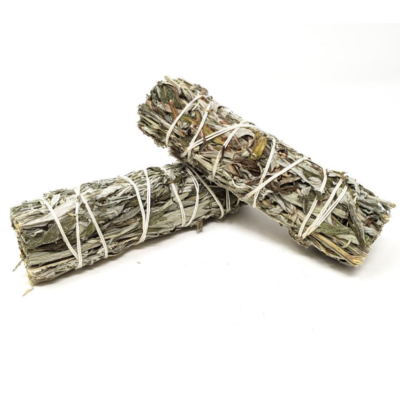
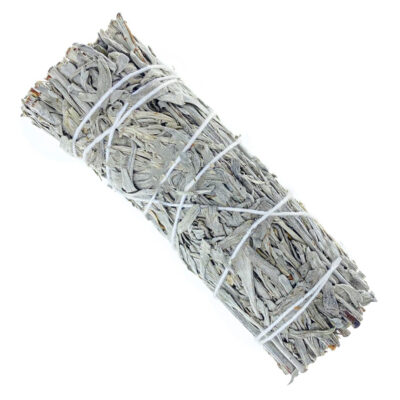
Sage is also frequently discussed in relation to smoke cleansing. While white sage is closely tied to Indigenous ceremonial use, other varieties such as black sage or blue sage are often explored in broader spiritual contexts. Learning about the sacred uses of black, white, and blue sage can help practitioners make informed and respectful choices about which plants align with their values.
Smudging vs Smoke Cleansing: A Simple Comparison
The distinction between smudging and smoke cleansing can be summarized simply:
Smudging refers to a sacred Indigenous ceremonial practice involving prayer and cultural protocols. Smoke cleansing refers to an open, cross-cultural practice that uses smoke to refresh, bless, or reset energy.
Many people continue to use the word smudging because it is familiar. Understanding smoke cleansing provides clarity without requiring anyone to abandon their spiritual path.
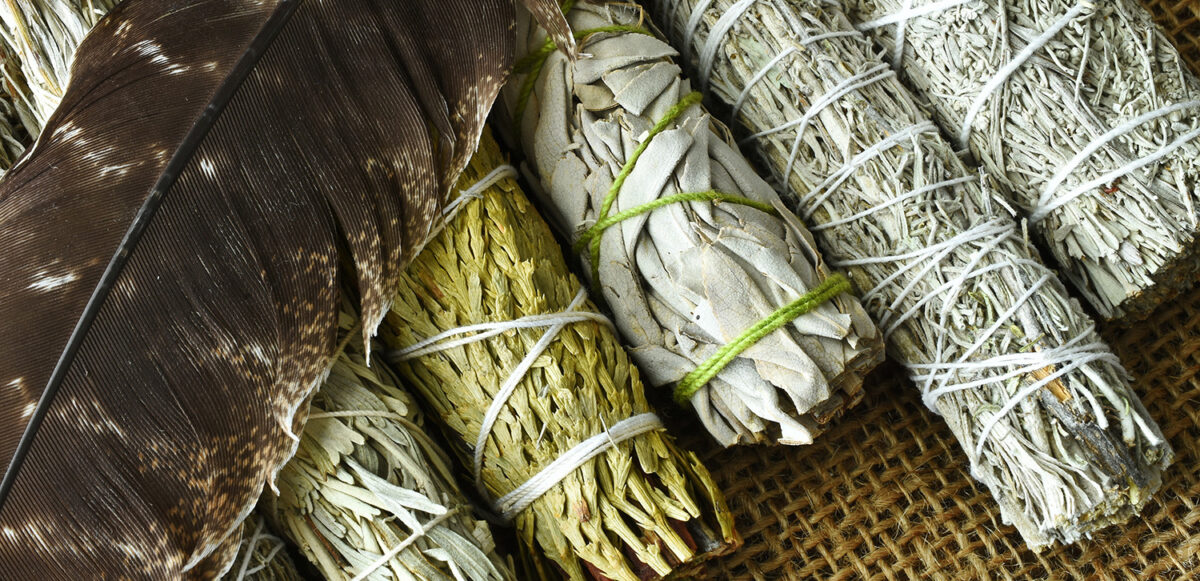
Smoke cleansing sage bundles, selected for clarity, grounding, and spiritual intention.
Choosing Words That Fit Your Practice
Spiritual language evolves alongside spiritual practice. Some practitioners continue using the word smudging in a general sense, while others prefer smoke cleansing as their understanding grows. Neither approach needs to be rigid.
What matters most is awareness. Knowing what you mean when you speak and honoring the traditions that shaped the language allows practice to deepen naturally, without fear or self-correction becoming the focus.
Smoke Cleansing as a Living, Respectful Practice
Smoke cleansing and smudging both reflect humanity’s long relationship with plants, fire, and intention. Understanding the difference between them does not divide practitioners. It creates clarity and respect, allowing modern spiritual practice to remain accessible while honoring the cultures that carried sacred traditions forward.
Learning the difference is not about being perfect. It is about connection, awareness, and moving with intention.
Frequently Asked Questions About Smudging and Smoke Cleansing
What is the difference between smudging and smoke cleansing?
Smudging is a sacred ceremonial practice rooted in certain Indigenous cultures, while smoke cleansing is a general spiritual practice that uses smoke to refresh or reset energy. Although they may look similar, they are not the same in meaning or cultural context.
Is it okay to call smoke cleansing smudging?
Many people use the word smudging as a general term, especially in modern spiritual practice. Learning the distinction allows you to choose language more intentionally, but it does not invalidate personal practice.
Can anyone practice smoke cleansing?
Yes. Smoke cleansing is an open practice found across many cultures and does not require lineage, ceremony, or special authority.
Is white sage appropriate for smoke cleansing?
White sage holds ceremonial significance in Indigenous traditions. Many practitioners choose alternatives such as rosemary, cedar, black sage, or blue sage for everyday smoke cleansing.
Are smudging and smoke cleansing performed the same way?
They may look similar, but smudging is a ceremonial and prayer-based practice, while smoke cleansing is an intention-based and personal one.
Smudging and Smoke Cleansing in Modern Practice
Understanding the difference between smudging and smoke cleansing is not about correcting personal practice or enforcing rigid rules. It is about clarity, respect, and awareness. Language shapes how we relate to spiritual work, and learning where words come from allows practice to deepen naturally.
Whether smoke is used to refresh a space, mark a transition, or reconnect with intention, moving thoughtfully honors both tradition and modern experience. When practice is guided by understanding rather than assumption, it remains grounded, respectful, and meaningful.