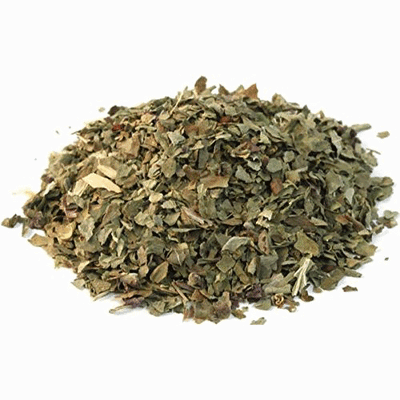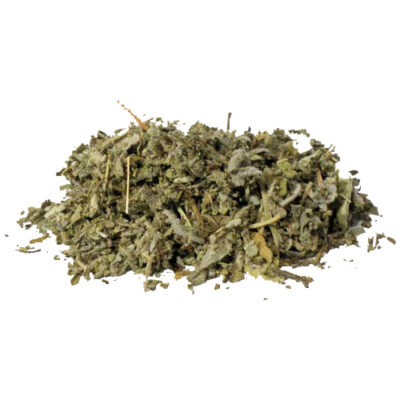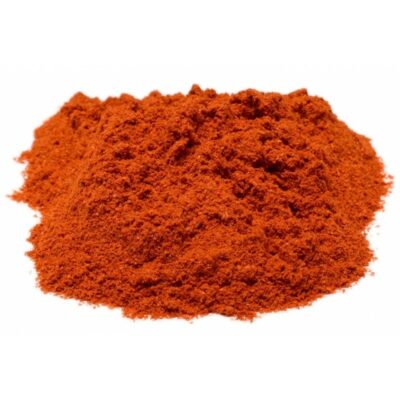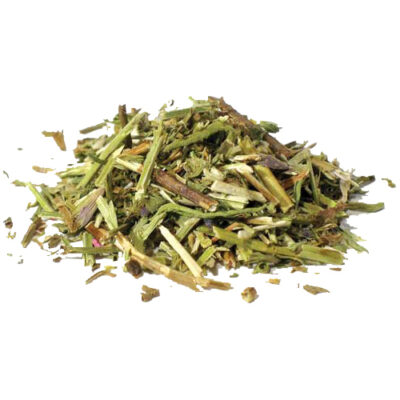
Common Herbs For Enhancing Rituals and Spells
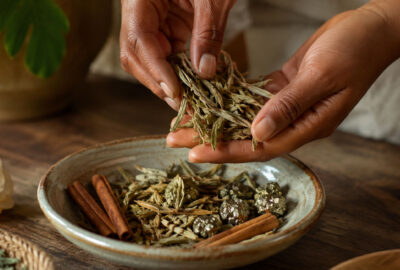
Since ancient times, herbs have been regarded as sacred allies in spiritual practice. Across cultures and generations, leaves, roots, seeds, and flowers have been used to bless homes, protect travelers, heal emotional wounds, and strengthen prayers. Herbs were never seen as separate from magic. They were understood as living carriers of intention.
Each plant holds a unique energetic signature shaped by the earth, the sun, and the seasons. When combined with focused thought, prayer, or ritual action, herbs help give spiritual intention a physical form. They ground unseen energy into the material world, allowing spells to take root and continue working long after the ritual itself has ended.
Learning how herbs enhance rituals and spells allows practitioners to work with greater awareness. Even the simplest spiritual act becomes more meaningful when supported by the quiet strength of nature.
How Herbs Enhance Rituals and Spellwork
Herbs enhance spells by acting as energetic anchors. Intention alone is powerful, but it can be fleeting. Herbs provide stability, helping spiritual energy remain focused and sustained. Their scent awakens memory, their texture grounds awareness, and their symbolism reinforces purpose.
Traditionally, herbs are chosen for their correspondence to specific needs. Some stimulate movement and change, others cleanse and protect, while some soothe and restore balance. These qualities do not overpower personal will. Instead, they support it, creating harmony between thought, action, and outcome.
Herbs also extend the life of a spell. While candles burn out and spoken words fade, herbal components remain present, quietly holding intention and reinforcing spiritual focus over time.
Traditional Ways Herbs Are Used to Strengthen Spellwork
Throughout folk magic, rootwork, and spiritual traditions, herbs are incorporated into spells in consistent and time-honored ways. These methods emphasize continuity, respect, and intention rather than complexity.
Herbs are commonly used in:
- Sachets and mojo bags to provide ongoing influence
- Candle dressing to guide and focus spell energy
- Herbal baths to cleanse and prepare the body and spirit
- Incense and smoke to lift prayers and clear space
- Oils and powders to bless objects, tools, or the body
- Spell jars and containers to hold layered intentions long-term
Each method allows herbs to work steadily, reinforcing spiritual goals through presence rather than force.
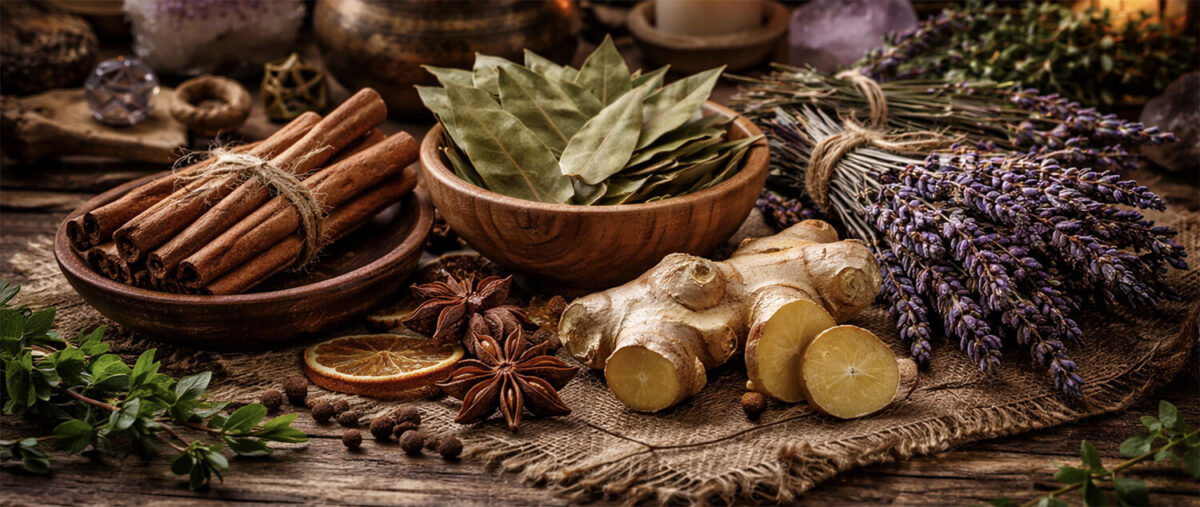
A number of herbs have long held a consistent place in spellwork traditions because of their dependable and versatile nature.
Common Herbs Used to Enhance Rituals and Spells
Certain herbs appear repeatedly in spellwork traditions because of their versatility and reliability. These plants are widely respected for their ability to strengthen intention and support spiritual focus.
Herbs for Power and Energy
Used to strengthen spells that require movement, influence, or expansion, such as luck, money, road opening, and court case work.
- Ginger. Adds strength, speed, and vitality to spells that need momentum.
- Cayenne. Stimulates movement and intensifies focused intention.
- Galangal (Chewing John). Strengthens confidence, authority, and personal power in ritual work.
Herbs for Cleansing and Clearing
Used to strengthen spells that focus on removing stagnant, crossed, or unwanted energy, often performed before or after major spiritual work.
- Hyssop. Clears spiritual residue and prepares energy for new beginnings.
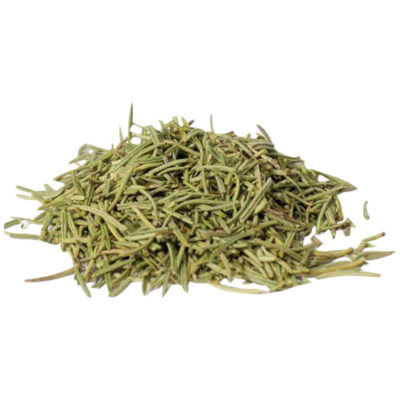
- Rosemary. Purifies space while sharpening memory and concentration.
- Sage. Removes stagnant or harmful energy from people and places.
Herbs for Protection & Stabilization
Used to support spells that require shielding, grounding, or long-term balance, such as home protection, spiritual defense, and boundary work.
- Basil. Establishes spiritual boundaries and supports household harmony.
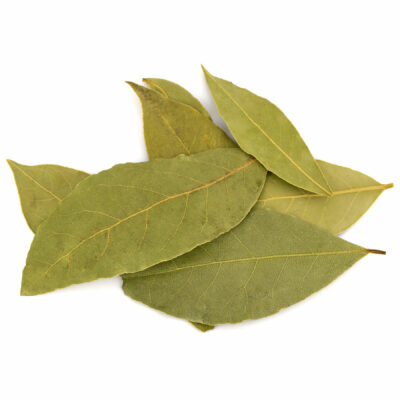
- Bay Leaf. Shields intentions and helps carry prayers forward.
- Dill. Guards against negative influence and confusion.
- Fennel. Strengthens protective energy and inner resolve.
Herbs for Attraction and Growth
Used to strengthen spells that draw in desired outcomes and encourage steady expansion, such as love, prosperity, success, and personal opportunity.
- Cinnamon. Draws prosperity, passion, and forward movement.
- Clove. Attracts luck while offering subtle protection.
- Allspice. Encourages balanced success and steady growth.
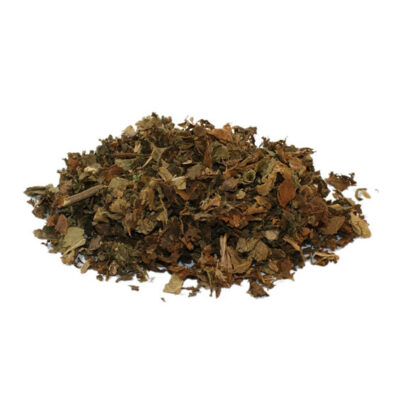
- Patchouli. Grounds abundance and supports long-term attraction.
Herbs for Healing and Peace
Used to strengthen spells focused on restoration and harmony, such as fertility, emotional healing, reconciliation, and spiritual recovery.
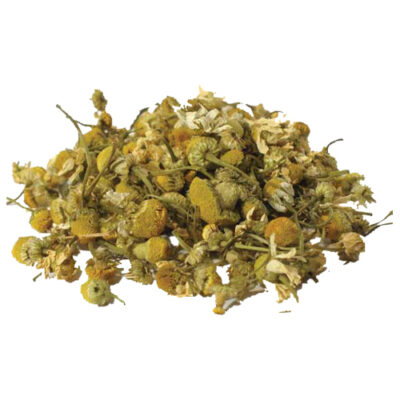
- Chamomile. Calms emotional unrest and encourages gentle healing.
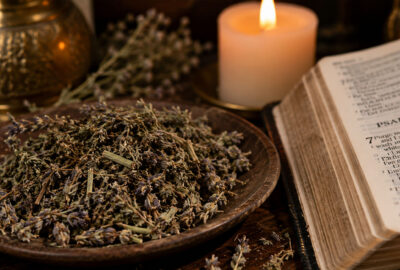
- Lavender. Restores balance and promotes peace of mind.
- Valerian. Supports deep spiritual and emotional restoration.
- Rose. Encourages emotional healing, compassion, and heart-centered peace.
These herbs may be used alone or blended thoughtfully, depending on the nature of the spell and the intention behind it. While they are grouped here by their most common traditional uses, herbal magic is not rigid or fixed. Many plants serve more than one purpose depending on intention, method, and cultural practice. A herb used for protection in one working may also support prosperity or healing in another. These categories offer guidance rather than limitation, and your own experience and intuition play an important role in how herbs respond within your spellwork.
How to Choose Herbs to Enhance Your Spells
Choosing herbs to enhance spellwork begins with clarity of purpose. Before selecting any plant, take time to define what your spell needs most. Some workings require movement and strength, while others need protection, cleansing, or calm. Identifying whether your intention calls for energy, stability, or restoration helps narrow your choices immediately.
Traditional correspondences offer a reliable foundation. Herbs that have been used for centuries carry established patterns of use, making them dependable allies in spellwork. These traditional uses provide structure, especially for beginners, and help ensure that the energy of the herb supports rather than conflicts with your goal.
Intuition refines that foundation. Pay attention to how a herb responds to you through scent, texture, or presence. If a plant draws your attention or feels especially fitting, it may be well-suited to your working. Intuition does not replace tradition but works alongside it, helping personalize the spell and strengthen your connection to the herbs involved.
Simplicity is often more effective than complexity. One well-chosen herb used with focus can enhance a spell more powerfully than a large blend assembled without intention. When combining herbs, select plants that support the same purpose rather than mixing conflicting energies.
Before beginning your spell, pause with the herbs in your hands. Acknowledge their role and clearly state your intention, either silently or aloud. This moment of recognition establishes cooperation and directs the energy of the plants toward your goal. When herbs are chosen with awareness and respect, they respond with steady and supportive influence.
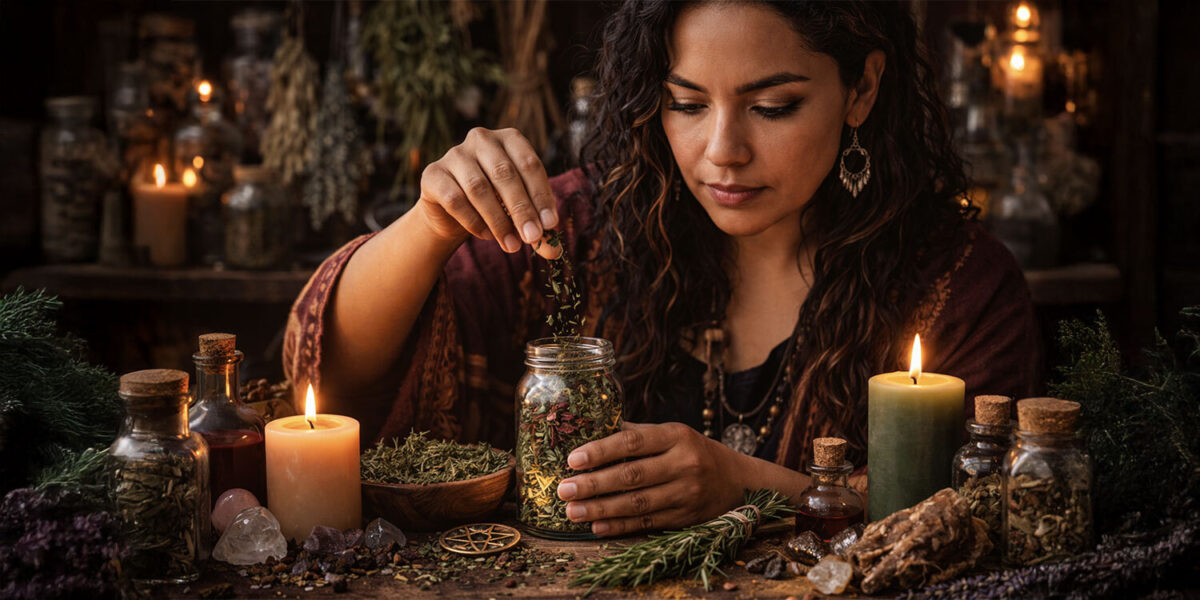
Respectful use of herbs fosters a stronger connection and helps maintain balance and integrity in spiritual practice.
Respecting Herbs in Spiritual Practice
Herbs are powerful allies and should be approached with care and mindfulness. Spiritual use does not require ingestion, and herbs should only be consumed when you are knowledgeable about their safety. Be aware of allergies, sensitivities, and personal limits.
It is also important to honor the cultural and spiritual traditions connected to herbal practices. Working with herbs respectfully strengthens your connection to them and supports ethical, balanced spiritual work.
Frequently Asked Questions About Herbs for Spell Enhancement
Can dried herbs be used instead of fresh herbs?
Yes. Dried herbs are widely used in traditional spellwork and are often preferred for their longevity and ease of storage.
Can I substitute one herb for another if I do not have it?
Yes. If a specific herb is unavailable, choose one with a similar purpose and energy. Focus on the function the spell requires rather than the exact plant. Intention and alignment matter more than strict substitution.
How many herbs should be used in one spell?
Fewer is often better. One to three herbs chosen with clarity usually create stronger focus than large, unfocused blends.
Do herbs lose their spiritual power over time?
Herbs gradually lose potency as their scent and color fade. Replacing them periodically helps maintain energetic freshness.
Can herbs be reused in spellwork?
Herbs used in ongoing work, such as jars or sachets, should be replaced when their energy feels spent or stagnant. Herbs used in cleansing or release work are typically not reused and are returned to the earth afterward.
Deepening Your Herbal Spell Practice
Working with herbs in spellwork is an act of cooperation, not control. Plants remind us that growth takes time, healing unfolds gently, and protection begins with balance. Each leaf and root carries centuries of wisdom shaped by human trust and natural rhythm.
When you include herbs in your rituals, you step into a living tradition that honors both nature and spirit. Through their presence, intention becomes tangible, prayer finds a resting place, and spellwork gains depth and endurance.
Herbs do not ask for perfection. They ask for presence, respect, and trust. When these are offered sincerely, even the simplest ritual becomes a meaningful exchange between the earth and the spirit, rooted in the quiet power of the natural world.