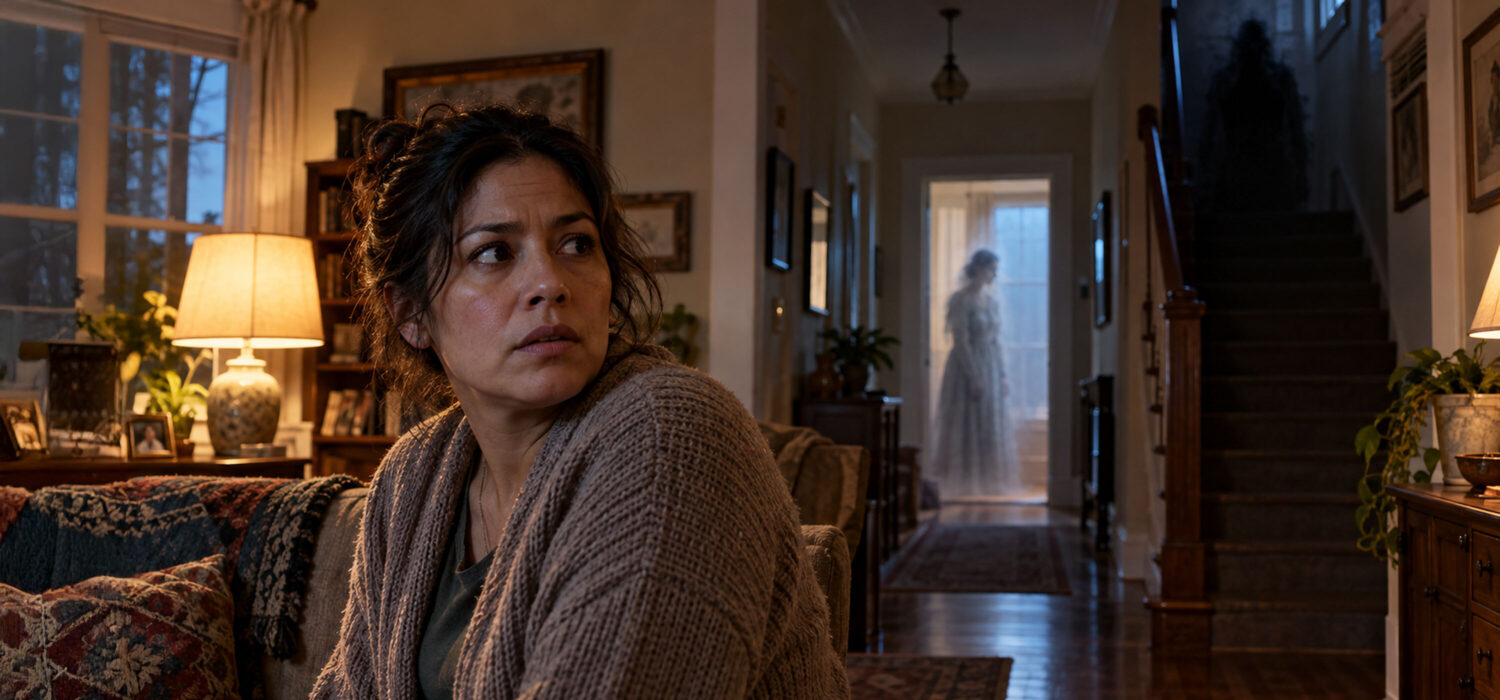
Ghost or Demon? How to Tell What Is Haunting Your Home
It usually starts small. A door that will not stay shut. Footsteps in the hallway after everyone is asleep. A cold patch in one corner of the bedroom that no blanket seems to fix.
Then comes the question that keeps you up at night. Is this a lost soul who never moved on, or something darker that does not belong in your home at all?
The answer matters, because a ghost and a demon are not handled the same way. Elders in many traditions say the first step in any spiritual cleansing is knowing what you are dealing with. Let us walk through the signs together, calmly and clearly, so you can protect your home with confidence.
Ghost vs Demon: The Short Answer
A ghost is the spirit of a person who once lived. A demon is a spirit that was never human and works against human beings. Ghosts are usually tied to a place or a memory, and most are confused, sad, or simply unaware they have passed. Demons tend to attach to a person, grow more hostile over time, and react badly to prayer and holy objects.
Most hauntings are not demonic. The great majority of spirit activity in a home comes from restless human spirits, and many of them simply need light, prayer, and a clear path forward.
Here is how the two compare, side by side:
- What it is: A ghost is the spirit of a person who died. A demon is a spirit that was never human.
- What it wants: A ghost usually seeks recognition, rest, or to finish something. A demon feeds on fear and seeks control.
- Where it stays: A ghost is usually tied to a place, room, or object. A demon usually attaches to a person and follows them.
- How it behaves: A ghost repeats routines and is mostly harmless. A demon escalates, targets, and intimidates.
- What you may smell: A ghost may bring perfume, cigar smoke, cooking, or flowers. A demon may bring sulfur, rot, or burning with no source.
- How it reacts to prayer: A ghost often calms down. A demon often gets worse at first.
- What helps: A ghost responds to cleansing and prayer for the dead. A demon calls for strong protection, Saint Michael, and the help of clergy or an experienced elder.
First, Rule Out the Ordinary
A wise practitioner always checks the physical world before the spirit world. This is not doubt. Some strange sounds, smells, and cold spots have simple physical causes, and no ritual will stop a noise that comes from a loose vent or an old furnace.
Before you light a single candle, look for these everyday causes:
- Carbon monoxide. A faulty furnace or stove can cause headaches, confusion, a feeling of being watched, and even visions. Make sure every floor has a working detector.
- Drafts and temperature. Cold spots often come from gaps around windows, vents, or old doors.
- Pipes and settling. Old houses knock, creak, and groan as they heat and cool.
- Animals. Mice, squirrels, and birds in the walls or attic make sounds that feel like footsteps.
- Sleep paralysis. Waking up unable to move, often with a sense of a presence in the room, is a common and well-studied experience.
The mind and heart matter too. Grief, deep stress, and lack of sleep can make the whole house feel heavy. If you or someone in your home is hearing voices, seeing things others cannot, or feeling unsafe, please speak with a doctor. Taking care of your health and your spirit together is the strongest protection of all.
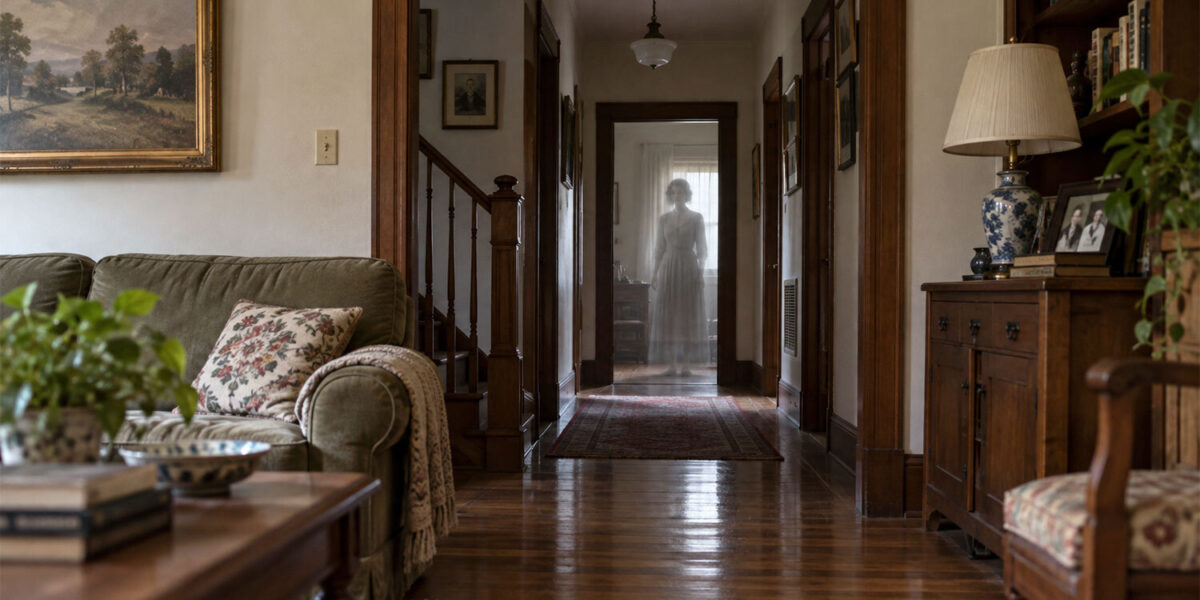
A quiet presence or repeating footsteps may be interpreted as signs of a restless spirit that has not yet found peace.
Signs of a Ghost Haunting
A ghost haunting usually feels more sad or strange than frightening. Many of these spirits are what Espiritismo calls an espíritu intranquilo, a restless spirit, or a muerto who has not yet found peace. Some do not even know they have died.
Sounds and Footsteps
You may hear walking, doors opening, or furniture moving in an empty room. The sounds often follow a pattern, like footsteps on the stairs at the same hour each night.
Cold Spots and Familiar Scents
A ghost can pull warmth from the air, leaving one spot noticeably colder. You may also smell something that belonged to the person in life, such as perfume, cigar smoke, coffee, or cooking.
Objects That Move or Go Missing
Keys vanish and turn up somewhere strange. Pictures tilt. Lights flicker or turn on by themselves. These are usually small, mischievous, or attention-seeking acts.
Pets Reacting to Something Unseen
Dogs may bark or growl at an empty corner. Cats may stare at the same spot or refuse to enter one room.
Repeating Routines
Many ghost hauntings are tied to memory. The spirit may repeat the same action again and again, as if replaying a moment from its life.
Signs of a Demonic Haunting
Demonic activity is rare, so treat these signs as serious but not as cause for panic. What sets a demonic haunting apart is not one strange event. It is a pattern of growing hostility aimed at the people in the home.
Foul Smells With No Source
The smell of sulfur, rotting meat, or something burning, often sudden and gone just as quickly, is one of the most common signs people report.
Activity That Escalates
A ghost tends to repeat itself. A demonic presence tends to build. Small disturbances turn into slammed doors, broken objects, and a constant sense of dread.
One Person Targeted
Demonic spirits often fix on one member of the household. That person may suffer nightmares, sudden anger, deep exhaustion, or a heaviness that follows them from room to room.
Scratches, Pushing, or Physical Attacks
Unexplained scratches, often in groups of three, or the feeling of being pushed or held down are reported in more serious cases.
Reaction to Holy Things
Activity that grows worse when you pray, play sacred music, or bring holy water into the house is a classic warning sign. Religious items may be knocked over, turned upside down, or broken.
Heaviness and Despair
The whole home may feel thick, dark, and oppressive. Arguments flare out of nowhere. Hope seems to drain from everyone living there.
Is It Haunting Your House or Haunting You?
This is one of the most useful questions you can ask. A spirit tied to a place stays with the place. A spirit attached to a person goes wherever that person goes.
If the activity stops when you sleep at a friend's house, or it began in a new home and never followed you anywhere else, you are most likely dealing with a ghost bound to that location. If the heaviness, dreams, and disturbances follow you from home to home, or start up again after you move, the spirit may be attached to you.
Personal attachments are not always demonic. A loved one who has passed may stay close out of worry or love. But a spirit that drains, frightens, or isolates you is not acting out of love. In some cases, a spirit can even be sent to a person through harmful work. Our guides to signs of witchcraft and brujería, psychic attacks, and monitoring spirits can help you tell these situations apart.
When It Is a Family Curse, Not a Haunting
Sometimes what feels like a haunting is really a generational curse, a heavy pattern passed down through a bloodline. The signs can look alike: bad luck that never lifts, troubled sleep, and a sense that something is following your family.
The difference is in the pattern. A haunting centers on a place or a presence you can feel in the room. A generational curse repeats across family members and across years, showing up as the same divorces, illnesses, money losses, or early deaths, no matter where anyone lives. Our guide to identifying and breaking generational curses can help you tell which one you are facing.
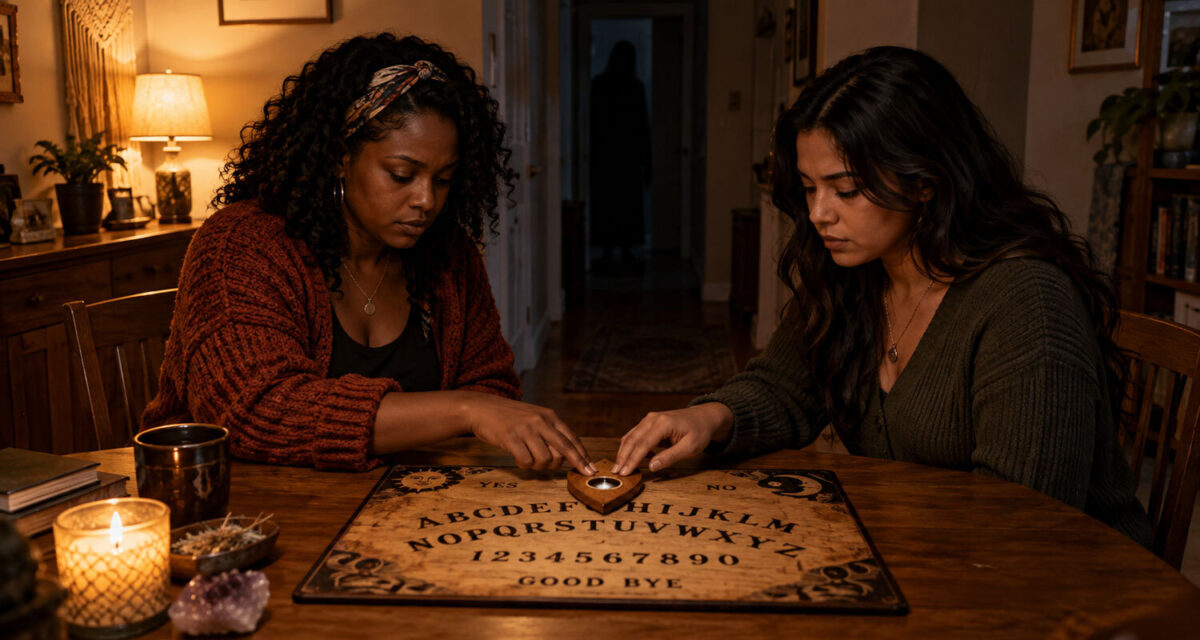
Some spiritual traditions caution that using Ouija boards without protection may invite unwanted spirits into the home.
What Draws Ghosts and Demons Into a Home
Understanding why a spirit is present helps you close the door it came through.
What holds a ghost in place:
- A sudden or painful death in the home or on the land
- Unfinished business, such as words left unsaid or a family in turmoil
- Strong attachment to a house, an object, or a person still living there
- Grief from the living that will not let the spirit go
- A spirit who simply does not realize it has died
What opens the door to darker spirits:
- Using Ouija boards, summoning rituals, or spirit calling without protection or training
- Harmful spiritual work sent against someone in the household
- A home soaked in long-term anger, violence, or despair
- Bringing in objects with a dark history without cleansing them first
None of this means you did something wrong. Spirits are drawn by energy, history, and opportunity. The good news is that every one of these openings can be closed.
How Different Traditions Understand Spirits
The idea of ghosts and demons looks different depending on where you come from. Each tradition offers its own wisdom for telling them apart.
Espiritismo. In Puerto Rican, Cuban, and Dominican Espiritismo, spirits of the dead are understood to exist on many levels of light. A muerto oscuro, or dark spirit, may cling to a person or a home, while a spirit of light guides and protects. Espiritistas work to elevate restless spirits through prayer, white flowers, and the misa espiritual, a spiritual mass where mediums communicate with the dead.
Yoruba and Santería. In Yoruba tradition, the Egun are the ancestors, honored and fed so they can bless and protect their descendants. The forces that bring destruction are the Ajogun, spirits of death, illness, loss, and conflict. You can learn more in our article on protecting yourself from the Ajogun, and about honoring your ancestors with an Egun shrine.
Catholic folk tradition. In folk Catholicism, ghosts are often understood as souls in need of prayer, while demons are fallen angels opposed to God. Saint Michael the Archangel is the great defender against evil, and holy water, blessed salt, and the Psalms are trusted tools of protection.
Serious spiritual attachments and true demonic cases are not something to face alone. If what you are experiencing frightens you or harms anyone in your home, reach out to a priest, minister, initiated santero or santera, or an experienced espiritista. The rituals below are meant to support that guidance, never to replace it.
Ritual to Remove a Ghost From Your Home
Most ghosts do not need to be fought. They need to be released. This ritual uses Espanta Muerto, known in English as Ghost Chaser, a traditional botanica formula that tells restless spirits of the dead it is time to move on. The white candle and fresh water light the way, so the spirit leaves toward peace rather than lingering in confusion. As you prepare, collect these sacred items.
- Ghost Chaser Bath & Floor Wash
- Ghost Chaser Resin Incense
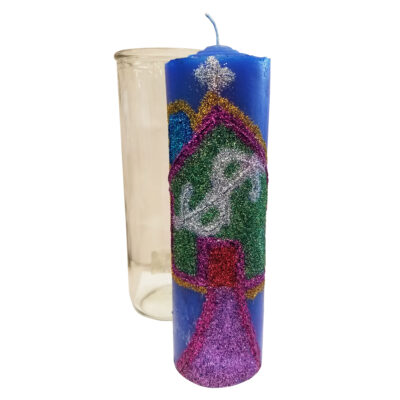
- House Blessing Hand Carved Candle
- A clear glass of fresh water
- A few white flowers
- A bucket of warm water and a clean mop or rag
- A charcoal disc and a heat-safe burner
Begin in the morning, with windows open and the house tidy. Add the Ghost Chaser Bath & Floor Wash to your bucket of warm water and wash the floors from the back of the home toward the front door. Pour the last of the water out the front door and away from the house.
Light the charcoal, sprinkle on the Ghost Chaser Resin Incense, and carry the smoke through every room. Pay special attention to corners, closets, and doorways.
Set the glass of water, white flowers, and your House Blessing Hand Carved Candle on a small table and light the candle. Speak gently, the way you would to a lost guest:
Spirit, you are no longer of this world.
You are free to go toward the light.
Go in peace, and leave this home to the living.
Snuff the candle whenever you leave the room or go to sleep, and relight it with the same words each day until it has burned down. Refresh the water daily. When the house feels lighter, thank the spirit and your own guides.
Ritual to Protect Your Home From a Demonic Presence
When the signs point to something darker, the work changes from gentle release to firm protection. Saint Michael the Archangel, San Miguel, is called upon across Catholic and Afro-Latin traditions to drive out evil and guard the faithful. Run Devil Run oil, known as Corre Diablo, has long been used in hoodoo and botanica practice to force away evil and break its hold on a home. Before starting, set aside these ritual tools.
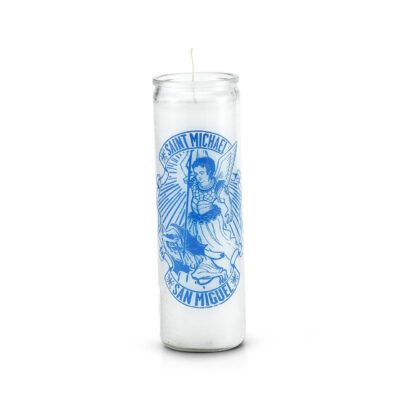
- A white Saint Michael (San Miguel) Prayer Candle
- Run Devil Run (Corre Diablo) Oil
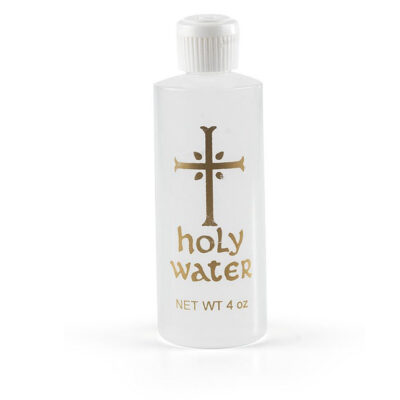
- Holy Water (Agua Bendita)
- A small bowl of sea salt
- A Bible or printed copy of Psalm 91
Work during daylight, and if possible, with a trusted person beside you. Anoint the top of the Saint Michael candle with a few drops of Run Devil Run (Corre Diablo) Oil, drawing it from the center outward to push evil away.
Place the candle in the main room of the house, light it, and read Psalm 91 aloud with as much conviction as you can hold. Then walk through each room with the Holy Water (Agua Bendita), sprinkling it in the corners and across every window and doorway. Finish by laying a thin line of sea salt at the front and back thresholds.
As you go, speak with authority:
Saint Michael the Archangel, defend this home.
Anything that does not come from God has no place here and must leave now.
Snuff the candle when you leave the room or go to sleep, and relight it each day with Psalm 91 until it has burned down. If the activity continues, seek out a priest, minister, or experienced elder.
More Rituals and Spells for Hauntings
These two rituals are a starting place. For deeper cleansing, banishing, and protection work, explore these related guides:
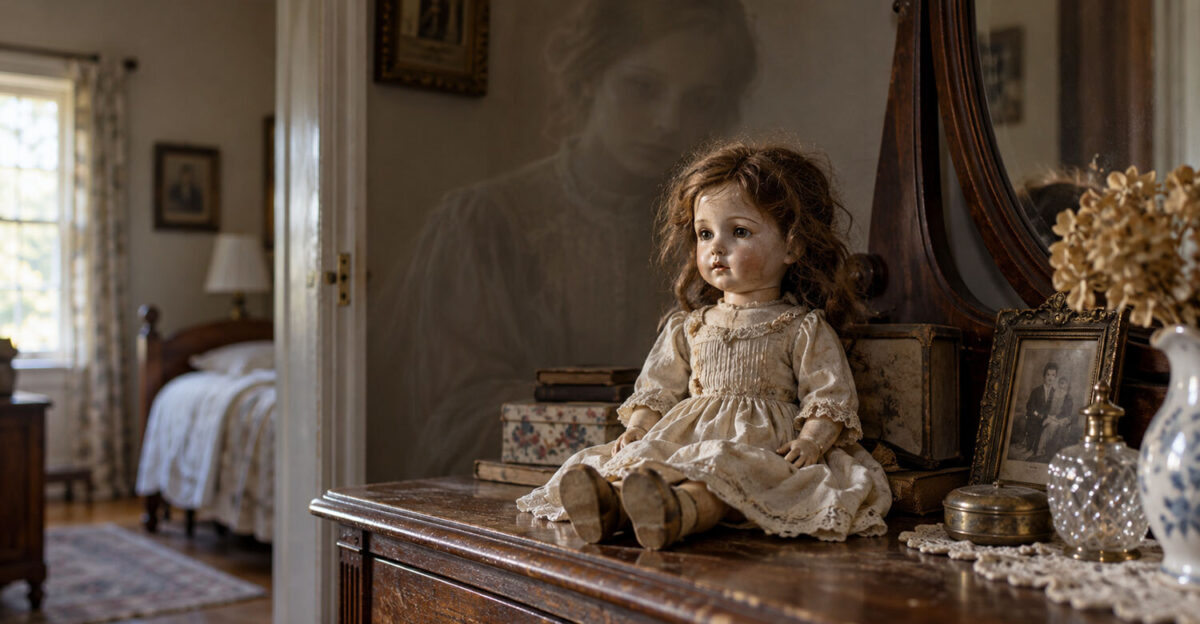
Some spirits cling to treasured objects, carrying memories and restless energy into the homes that welcome them.
Other Types of Hauntings: Poltergeist, Residual, and Attachments
Not every haunting fits neatly into ghost or demon. Here are a few others you may hear about. For a full guide, read our article on the types of hauntings.
Residual haunting. This is less a spirit and more an echo. The same scene plays over and over, like footsteps on the stairs, with no awareness of the living. It cannot interact with you.
Intelligent haunting. Here the spirit is aware of you and may respond to questions, names, or changes in the home. Most ghost hauntings fall into this group.
Poltergeist. The name means "noisy spirit." Poltergeist activity involves banging, objects thrown or moved, and sudden bursts of energy. Many traditions link it to times of high stress or emotion in a household, often around one person. It can feel alarming, but it is not automatically demonic.
Object attachment. Sometimes a spirit is tied to a thing rather than a house, such as an antique, a doll, or jewelry. Activity starts when the object arrives. Cleansing the object, or removing it, often ends the trouble.
Keeping Your Home Spiritually Protected
Once your home feels clear again, the real work is keeping it that way. Protection is not a single ritual. It is a way of living.
Keep your home clean and uncluttered, because stagnant corners hold stagnant energy. Wash your floors with a cleansing floor wash once a month or at each new moon. Keep a glass of fresh water on your altar and change it often. Light a white candle for your ancestors and spirit guides on a regular day each week.
Simple daily habits matter most:
- Open windows each morning to let fresh air and light move through.
- Mark your doorways with cascarilla or a light sprinkle of holy water.
- Play sacred music, hymns, or prayers in the home.
- Avoid Ouija boards and spirit calling unless you are trained and protected.
- Cleanse secondhand items before bringing them inside.
A home filled with prayer, gratitude, and warmth is not an easy place for darkness to stay.
Ghost vs Demon FAQs
What is the difference between a ghost and a demon?
A ghost is the spirit of a person who once lived. A demon is a spirit that was never human. Ghosts are usually tied to a place and are mostly harmless, while demons attach to people, grow more hostile, and react badly to prayer.
Can a ghost turn into a demon?
Most traditions say no. A human spirit can become darker or more troubled over time, but it does not become a demon. However, many practitioners warn that a demon can pretend to be something else.
Can a demon pretend to be a ghost?
Yes, according to many traditions. A dark spirit may present itself as a child, a lost loved one, or a friendly presence to gain trust. If a "friendly" spirit leaves you drained, afraid, or isolated, treat it with caution.
What does a demonic presence smell like?
People most often describe sulfur, rotting meat, or burning, usually sudden and with no physical source. Always rule out gas leaks, spoiled food, and electrical problems first.
Can a ghost or demon follow you to a new home?
A ghost tied to a house usually stays with the house. A spirit attached to a person, whether a loved one or something darker, can follow you. Activity that starts again after a move points to a personal attachment.
Is a poltergeist a ghost or a demon?
A poltergeist is usually considered its own kind of haunting, marked by noise and moving objects. It is often linked to stress or strong emotions in the home. It is not automatically demonic, though serious or violent cases deserve careful attention.
Does holy water work on ghosts and demons?
Holy water is used in many traditions to cleanse a space of all unwanted spirits. Restless ghosts often calm down after a home is blessed. Demonic spirits may react strongly at first, which is one way people tell the two apart.
What is the difference between a demon and the devil?
In Christian belief, the devil, or Satan, is the leader of the fallen angels, and demons are the many spirits who follow him. Other traditions describe dark spirits in their own terms, such as the Ajogun in Yoruba belief.
A haunting can make your own home feel like it belongs to someone else. But your home is yours, and so is your power to protect it. Whether you are guiding a lost soul gently toward the light or standing firm against something darker, you do not walk this road alone. With prayer, cleansing, and the wisdom of those who came before you, peace can return to every room.