The Power of the Lucky Buddha: Meaning and Sacred Rituals
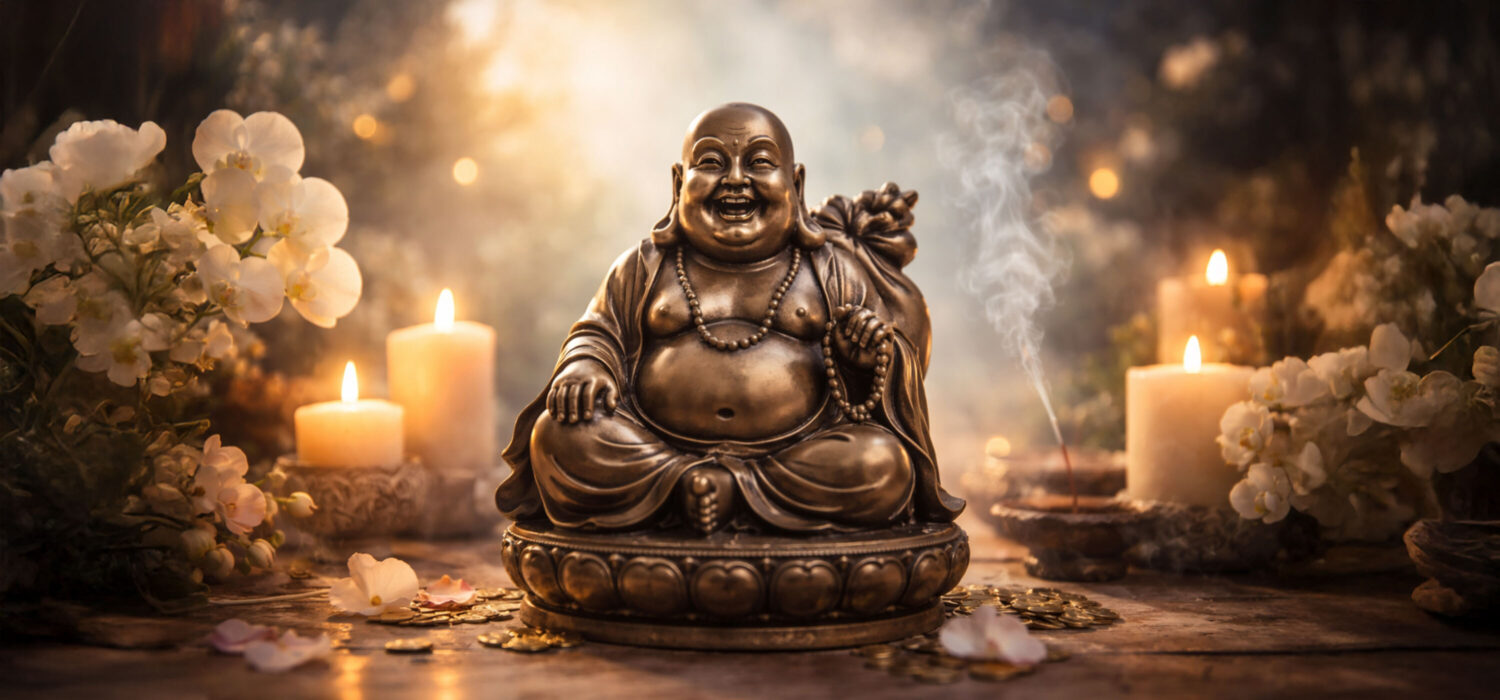
Across homes, shops, and sacred spaces around the world, the image of the Lucky Buddha sits smiling with gentle warmth. Many people are drawn to this joyful figure during moments of change. These moments may include starting a new goal, seeking stability, or hoping to welcome better fortune into daily life.
The meaning of the Lucky Buddha is often misunderstood. Some see the statue as a charm for wealth or luck. In truth, the symbolism goes much deeper. The Laughing Buddha represents contentment, generosity, and the freedom that comes from living without constant worry. His warm smile reflects a life guided by patience, gratitude, and inner peace.
These values echo the teachings of Gautama Buddha, the historical founder of Buddhism, who lived more than two thousand years ago in India. His teachings spread across many cultures and inspired symbols that represent joy, compassion, and balance. The Laughing Buddha became one of these reminders that prosperity grows from wisdom rather than luck alone.
Understanding this symbolism helps us work with the Lucky Buddha respectfully. When approached with mindfulness, the image becomes a quiet reminder that peace, prosperity, and clarity begin within.
The True Meaning of the Buddha in Buddhism
Buddhism is often described as a path of awakening. It teaches people how to see life clearly and respond with wisdom and compassion.
Central to Buddhist teaching is the principle of cause and effect. Actions create consequences over time. Kindness supports harmony. Harmful behavior creates unrest. What many people call luck is often the result of choices and habits that unfold gradually.
Because of this understanding, Buddhism does not reject prosperity or comfort. Instead, it encourages balance. Wealth gained honestly and used with generosity can support both personal well-being and the welfare of others.
Mindfulness, patience, compassion, and generosity are considered spiritual strengths. When these qualities shape daily life, stability and opportunity often grow naturally.
The Symbolism of the Laughing Buddha
The figure commonly called the Lucky Buddha is also known as the Laughing Buddha. Despite the name, he is not a historical image of Gautama Buddha.
The Laughing Buddha represents a legendary monk remembered for joy, generosity, and kindness. His round belly symbolizes satisfaction with life. His cheerful expression reflects freedom from worry and attachment.
Rather than promising sudden wealth, the Laughing Buddha reminds people that happiness grows from gratitude and generosity. In spiritual practice, his image serves as a visual teaching. Prosperity begins with peace of mind.
Working With Buddha Symbols Outside the Buddhist Faith
Many people who feel drawn to the Lucky Buddha do not practice Buddhism as a religion. This is very common. Spiritual symbols often travel across cultures and traditions, and people connect with them in different ways.
What matters most is the spirit in which the symbol is used.
In Buddhism, the Buddha is honored as a teacher who showed others how to awaken through wisdom and compassion. When people work with Buddha imagery respectfully, the symbol becomes a reminder of those same values. Patience, mindfulness, generosity, and peaceful awareness are qualities that anyone can cultivate.
Using the Lucky Buddha respectfully means avoiding the belief that the statue itself produces luck or wealth. Instead, the image serves as a reminder to live thoughtfully and with balance.
Simple habits help maintain that respect. Keep the image in a clean place. Treat it with care and attention. Approach any ritual practice with gratitude rather than demand. When used in this way, the Lucky Buddha becomes less of a charm and more of a guide toward mindful living.
In this sense, the deeper message of the Buddha does not belong to one group alone. The teachings of compassion, awareness, and kindness can inspire anyone who seeks a calmer and more thoughtful path.
Where Should a Lucky Buddha Be Placed?
The placement of a Lucky Buddha statue is traditionally done with care and mindfulness. The goal is not superstition but creating a space that encourages reflection and gratitude.
Many people place the statue near the entrance of the home so the smiling figure greets visitors and welcomes uplifting energy. Others keep it in a living room, meditation area, or workspace where it can inspire calm awareness during the day.
The statue should be placed on a clean and elevated surface rather than directly on the floor. Keeping the surrounding area neat and peaceful helps support the symbolic role of the Buddha as a reminder of clarity and harmony.
Wherever it rests, the most important element is intention. The image serves as a guide toward mindful living rather than a source of automatic luck.
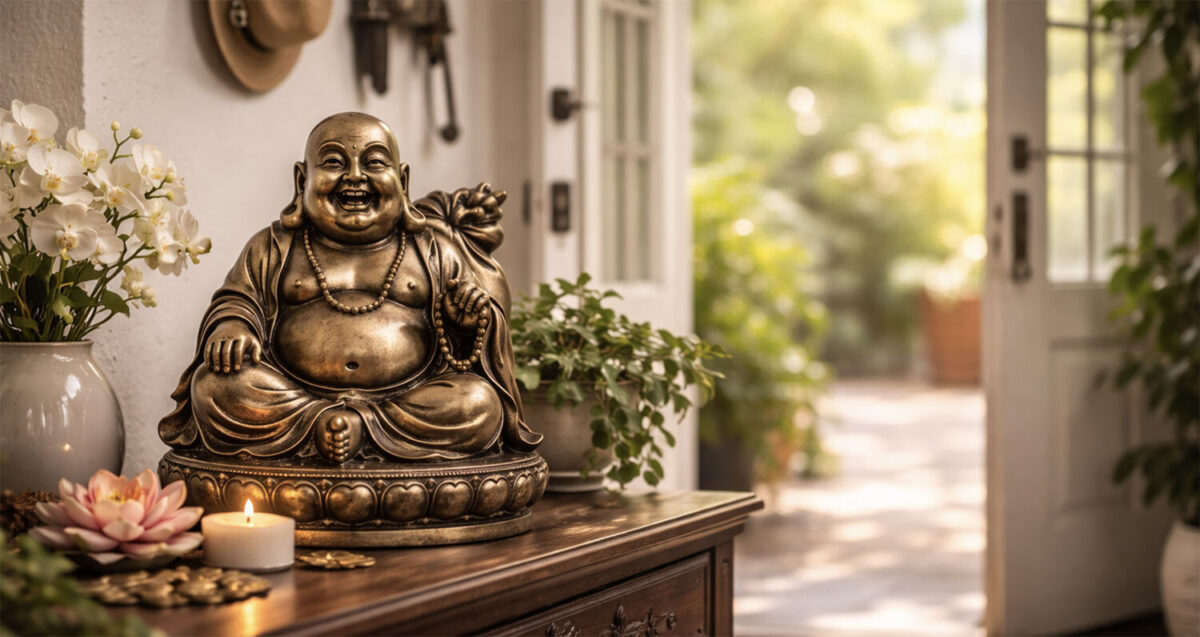
A Lucky Buddha placed near the entrance welcomes calm energy, gratitude, and mindful awareness into the home.
Preparing Your Space for Lucky Buddha Rituals
Before performing any ritual work, take time to prepare both your surroundings and your state of mind. Spiritual practices become more meaningful when approached with patience and clear intention.
Begin by cleansing your home or workspace. Washing the floors slowly with Buddha Bath and Floor Wash can help clear stagnant energy and refresh the environment. Move gently through each room while focusing on the intention of renewal.
Choose a quiet time when you will not be interrupted. Place a candle, an amulet, or incense on a clean surface to create a small area of focus. The space does not need to be elaborate. Simplicity encourages calm awareness.
Pause for several breaths and allow your thoughts to settle. When the mind becomes still, rituals carry deeper meaning.
Ritual for Releasing Blocks to Good Fortune
Sometimes progress slows because the mind holds onto confusion, doubt, or old worries. This ritual helps clear emotional obstacles so that clarity and wiser choices can emerge.
Gather the following ingredients before beginning.
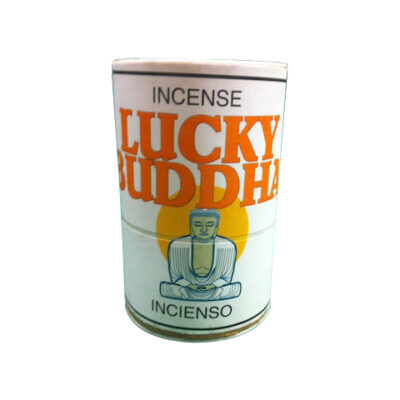
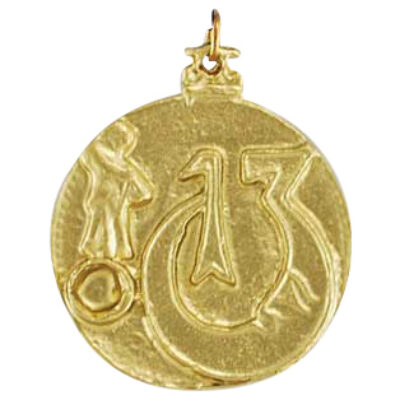
Clean a small area using the floor wash while focusing on the intention of releasing heaviness from the space. Light the Buddha Incense Powder and allow the fragrance to fill the room with calm energy. Sit comfortably and hold the Buddha Amulet between your palms. Feel its steady weight as your breathing slows and your thoughts begin to settle. Imagine worries dissolving like mist in morning light.
Speak softly.
I release confusion and welcome clear understanding.
Remain in quiet reflection for several minutes. When your mind feels lighter, place the amulet in a clean place of rest. Extinguish the incense safely and give thanks for the clarity that is beginning to unfold.
Ritual for Steady Prosperity
True prosperity develops through patience, responsible effort, and balanced decisions. This ritual supports steady growth rather than sudden gain.
You will need the following components to perform this ritual.
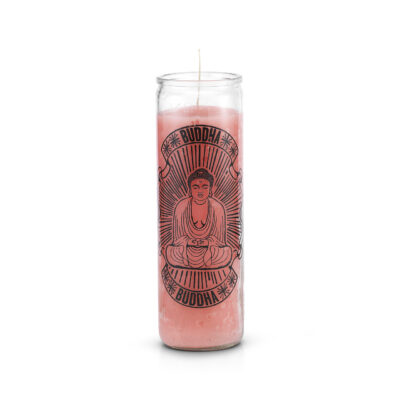
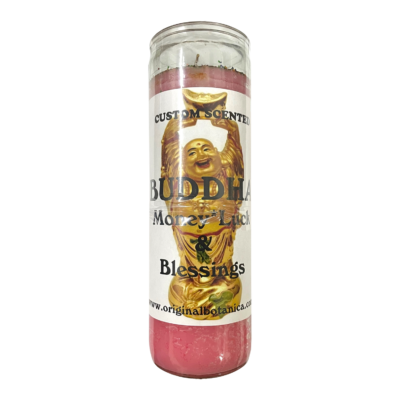
Anoint the Buddha 7 Day Scented Candle with a small amount of Prosperity Spiritual Oil while focusing on the intention of stability and honest success. Light the candle and the Buddha Incense Powder together. Sit quietly near the flame and allow its gentle glow to bring your thoughts into focus.
Reflect on the effort and discipline you will bring to your goals. Prosperity grows when clear intention meets consistent action.
Speak the affirmation aloud.
May my work be steady and my rewards be balanced.
Spend several minutes visualizing success that develops gradually through dedication and wisdom. Allow the candle to burn for a short time each day while repeating the affirmation. When finished, snuff the flame gently and give thanks for the opportunities ahead.
Ritual for Maintaining Harmony and Focus
Daily environments influence the state of the mind. This ritual helps refresh the atmosphere of your home or workspace and encourages balance.
As you prepare, collect these sacred items.
Light the Buddha Incense Powder and allow the smoke to rise slowly through the air. Hold the Buddha Amulet in your hand and walk quietly through each room of your home. Pause briefly in every space while imagining peaceful energy settling around you.
Speak softly as you move.
Harmony guides my thoughts and actions.
Continue until each room has been visited. When finished, place the amulet in a location where you often work or rest. Extinguish the incense carefully and take a moment to appreciate the calm atmosphere you have created.
Spiritual Insight: Prosperity Through Balance
The deeper message behind the Lucky Buddha is not sudden fortune but balance. When the mind is peaceful, and actions reflect kindness, life tends to move more smoothly.
Simple daily habits help maintain this balance. Keeping spaces clean, practicing mindful breathing, and expressing gratitude each day can strengthen clarity of mind. From this foundation, opportunities often appear naturally.
The Laughing Buddha reminds us that joy and generosity are forms of wealth themselves. When these qualities guide our decisions, prosperity becomes a natural extension of inner harmony.
FAQs About the Lucky Buddha
Is the Lucky Buddha the real Buddha?
No. The Lucky Buddha, often called the Laughing Buddha, is not the historical Gautama Buddha. The figure represents joy, generosity, and contentment rather than the original teacher of Buddhism.
Is it disrespectful to have a Buddha statue if you are not Buddhist?
It is not considered disrespectful when the symbol is treated thoughtfully. Many people appreciate Buddha imagery as a reminder of mindfulness and compassion. Respectful placement and sincere intention are more important than religious identity.
Does Buddhism believe in luck?
Buddhism emphasizes cause and effect rather than chance. Actions, habits, and intentions shape results over time. What people call luck is often the outcome of past choices.
Do I need an altar to work with a Lucky Buddha?
An altar is not required. A clean and quiet space is enough for focused ritual work. Altars simply help some people maintain a place for reflection and intention.
How often can these rituals be performed?
These rituals may be repeated during periods of transition or uncertainty. Consistency and patience are more important than frequency.
Living the Wisdom of the Lucky Buddha
Life constantly changes between ease and challenge. The teachings of the Buddha remind us that our response to these changes shapes our experience of fortune.
The Lucky Buddha stands as a gentle symbol of this wisdom. His smiling presence encourages patience, gratitude, and thoughtful action. Prosperity rarely arrives through force or haste. It grows quietly through steady effort and clear choices.
When awareness guides each step, opportunities appear with greater stability. By cultivating calm, generosity, and balance, we create the conditions where true good fortune can unfold.