Baron del Cementerio and Baron Samedi: Meaning, Offerings, and Prayers
Walk through the gates of an old cemetery at dusk, and you can feel it. The street noise falls away. The air grows still, and something ancient seems to be keeping watch.
In the spiritual traditions of Haiti and the Dominican Republic, that watcher has a name. He is the Barón del Cementerio, the Baron of the Cemetery, lord of the graveyard and keeper of the door between the living and the dead. Many people know him by another name: Baron Samedi.
So who is the Barón del Cementerio? He is a powerful spirit of Dominican Vudú and Haitian Vodou who rules over cemeteries, the dead, and the crossing from this life to the next. People turn to him to clear obstacles, break harmful work, protect the home, and honor their ancestors, especially in early November, when the veil between worlds feels thinnest.
He is not a spirit to approach lightly. He is also not a spirit to fear. Here is how to understand him, and how to honor him the right way.
Baron del Cementerio and Baron Samedi: One Spirit, Two Traditions
The Barón del Cementerio and Baron Samedi are deeply connected, and many practitioners treat them as the same spirit. Still, they grew from different regional traditions on the island of Hispaniola, and each carries its own nuances.
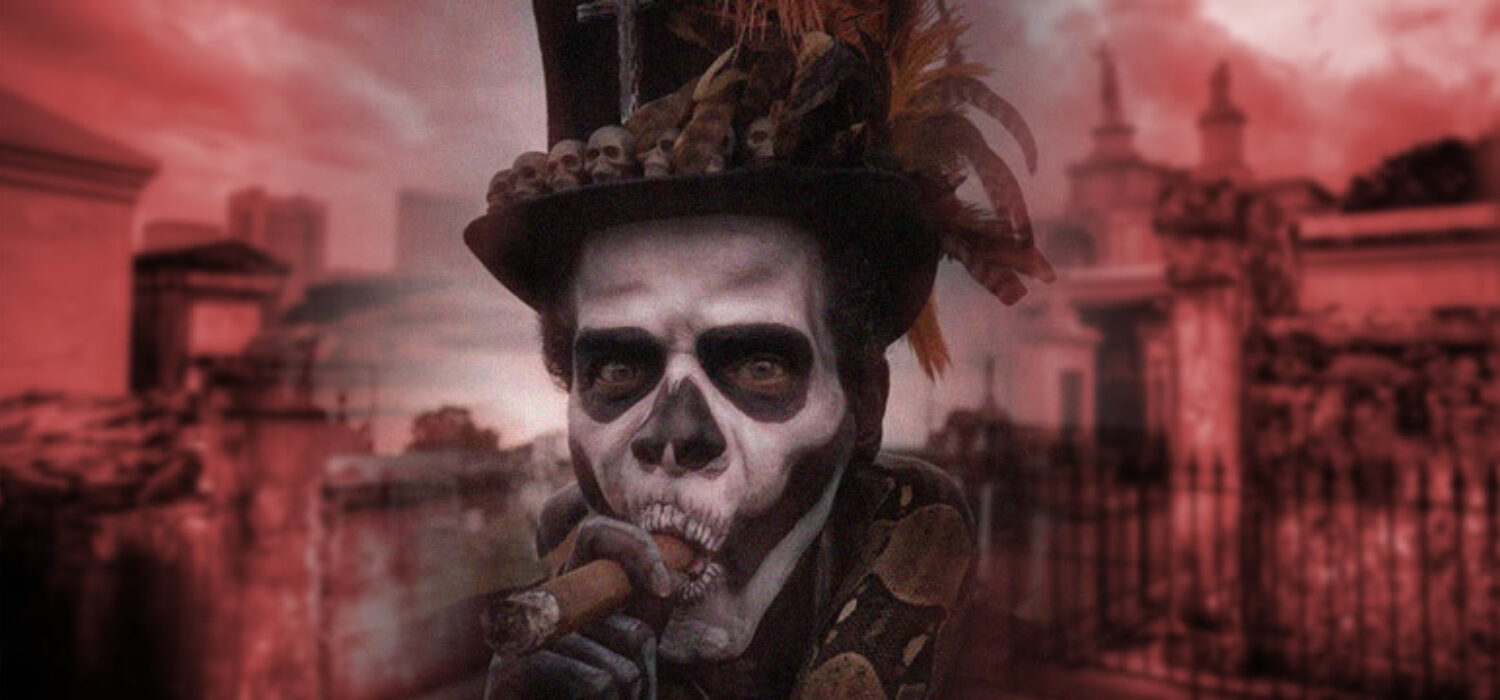
In Haitian Vodou, Baron Samedi is the head of the Gede, the family of spirits who govern death and the dead. His name means "Baron Saturday" in French. He is pictured in a black top hat and tailcoat, with dark glasses and a cane, laughing at the very death he rules.
In Dominican Vudú, also called Las 21 Divisiones, he is known as the Barón del Cementerio. Dominican scholars trace his roots to Haitian Vodou, and he entered Dominican practice through generations of shared spiritual life between the two nations. There he leads the División Negra, the division of the Guedé spirits and the dead.
Some houses speak of three barons instead of one. In Haiti you may hear of Baron Samedi, Baron Cimetière, and Baron La Croix. In some Dominican houses, it is the Barón del Cementerio, Barón Samdi, and Barón Lacuá, each with his own duty in the cemetery. Whichever way your house teaches it, the heart of the spirit is the same.
San Elías, the Barón's Padrino
In Dominican practice, the Barón del Cementerio walks under the patronage of San Elías del Monte Carmelo, the prophet Elijah. Devotees often call on the Baron through San Elías imagery, candles, and prayers. That is why his altars so often hold a statue or prayer card of the prophet.
It is easy to see why the pairing feels right. Elijah is the prophet who was carried up to heaven in a chariot of fire, crossing between worlds without ever tasting death. To learn more about the prophet himself, read our guide to Saint Elias the Prophet.
The Baron and the Guedé Spirits of the Dead
Tradition holds that the Barón del Cementerio is the first person ever buried in a cemetery. Age, wealth, and station do not matter. Whoever rests in that first grave becomes the king of that burial ground.
If the first burial belongs to a woman, she rules as the Baronesa. In many houses, this is Maman Brigitte, the Baron's wife and fierce partner. Together they guard the dead and keep order among the spirits who dwell there.
Below them move the Guedé (also spelled Gede), the spirits of the dead. They are known for rough humor and a fearless love of life. Yet they answer to the Baron, and no grave is dug without his permission.
This is why practitioners say that nothing spiritual should happen in a cemetery without first asking the Baron. He is the gatekeeper. Every door into his kingdom opens with respect.
Baron Samedi Symbols, Veve, and Colors
The Baron's most important symbol is the cross, the simple wooden or iron cross that marks a grave. It stands for the crossing itself, the passage from this world to the next. His sacred first grave is often marked this way.
His colors are black and white. In Haiti, purple also belongs to the Gede family. You will see these colors on his altars, candles, and cloths.
Like every lwa, the Baron has his own veve, a sacred symbol drawn on the ground to call him during ceremony. His veve is usually built around a cross rising from a tomb. To understand how these drawings work, explore our guide to Vodou veves and sacred Haitian symbols.
Offerings for Baron Samedi and Ofrendas al Barón del Cementerio
Offerings to the Baron vary from house to house. What one tradition gives freely, another avoids. Some Dominican practitioners say the Barón neither smokes nor dances and drinks only gin, while others bring him tobacco without a second thought.
When in doubt, follow the guidance of the house or elder who taught you. The most common ofrendas include:
- Smoked herring (arenque), a classic Dominican offering
- Moro de habichuelas negras, rice cooked with black beans
- Batata, roasted sweet potato
- Casabe, cassava bread
- Strong black coffee, served cold or at room temperature
- Rum steeped with hot peppers, a Haitian favorite
- Gin, in houses that keep him to one drink
- Tobacco or cigars, where the tradition allows it
- Black candles, or black and white candles together
Offerings are traditionally left at the first grave, at the cemetery gate, or on a home altar set aside for him. Speak plainly. Ask permission, say what you need, and always give thanks before you walk away.
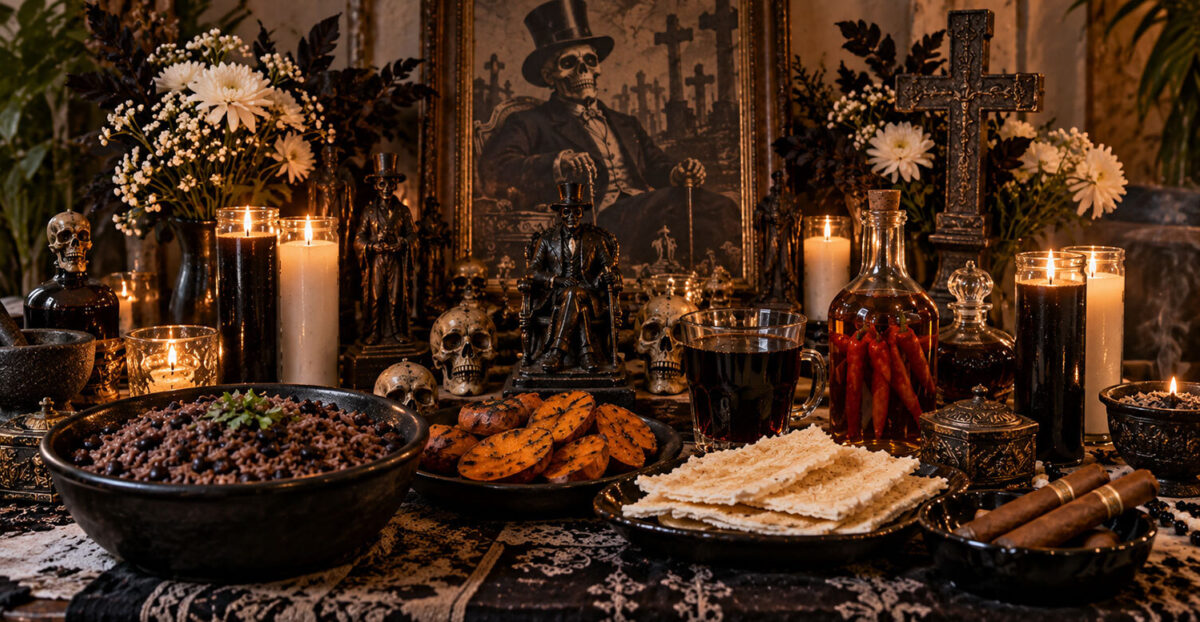
A variety of traditional offerings to the Barón del Cementerio, including coffee, rum, cassava bread, cigars, and more.
Honoring the Baron on November 2
Early November belongs to the dead. In Haiti, Fèt Gede fills November 1 and 2 with music, color, and devotion as the Gede come out to celebrate. Cemeteries become crowded with the living, who come to visit the Baron and their own beloved dead.
In the Dominican Republic, November 2nd is the Día de los Fieles Difuntos, All Souls' Day. On this day, the cemeteries rise from their silence. Rezadores arrive with candles, rosaries, and flowers, and songs are raised to the Barón del Cementerio.
Devotees light candles, preferably black ones, and bring the Baron his favorite foods: herring, moro, batata, casabe, and tobacco. It is a day where Catholic devotion and Vudú meet, as they have for generations.
Throughout the year, Saturday remains his day, just as his Haitian name suggests. Many devotees light his candle each Saturday. November 2nd is when the whole community remembers him together.
If you are preparing for the season, you may also want to build an ancestor altar for your own beloved dead. Many people honor the Baron and their ancestors side by side. You can also learn how the season is celebrated across Latin America in our guide to Día de los Muertos.
Rituals to Work With the Barón del Cementerio
The Barón del Cementerio belongs to living traditions with deep initiatory roots. Serious work with him, especially anything done inside a cemetery, is best guided by a servidor, houngan, or mambo who knows his ways. The rituals below are gentle devotional workings for the home, offered with respect.
A Road-Clearing Candle Ritual to Remove Obstacles
When something blocks your path and will not move, the Baron is a powerful ally. He rules endings, and every obstacle is something that needs to end. This ritual asks him to clear what stands in your way. Gather the following ingredients before beginning.
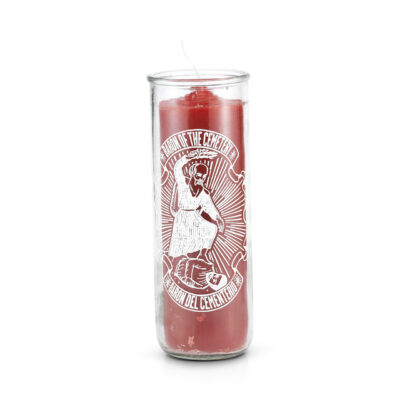
- Baron of the Cemetery (Baron Del Cementerio) Prayer Candle
- San Elias Oil
- A white plate
- A small glass of strong black coffee
- A slip of white paper and a pen
- Three coins
Begin on a Saturday evening. Remove the candle from its glass and anoint it with San Elias Oil, stroking from the top down to push obstacles away. On the paper, write the obstacle in plain words, fold it away from you, and set it on the plate beneath the candle's glass. Place the coffee and the three coins beside it as payment and thanks. Light the candle and speak from the heart:
Barón del Cementerio, keeper of the gate,
What stands in my way has come to its end.
Clear my road, and I will honor you.
Sit with the flame for a while in quiet reflection. When you are ready, snuff the candle rather than blowing it out, and relight it each evening while you are home to watch it.
A Home Protection Floor Wash Under the Baron's Watch
The Baron keeps order among the dead, and he can help keep unwanted spirits and heavy energy out of your home. This wash cleans your floors and seals your threshold under his protection. You will need the following components to perform this ritual.
- Saint Elias Bath & Floor Wash
- A bucket of warm water
- A pinch of salt
- A clean mop or rag
Open a window before you start so stale energy has somewhere to go. Add a capful of Saint Elias Bath & Floor Wash and the pinch of salt to the warm water, and stir it with your hand while you state your intention. Start at the back of your home and wash toward the front door, moving room by room. At the threshold, wash the doorstep outward and say:
San Elías, Barón del Cementerio, guard this door.
What belongs to the dead stays with the dead,
And this house belongs to the living.
Pour the remaining water out the front door or into the street. Wash your hands, close the window, and give thanks.
A November 2nd Offering for the Baron and Your Beloved Dead
This simple offering honors the Baron as the keeper of all who have passed, and asks him to watch over the souls you love. It is a beautiful way to mark the Día de los Fieles Difuntos at home. As you prepare, collect these sacred items.
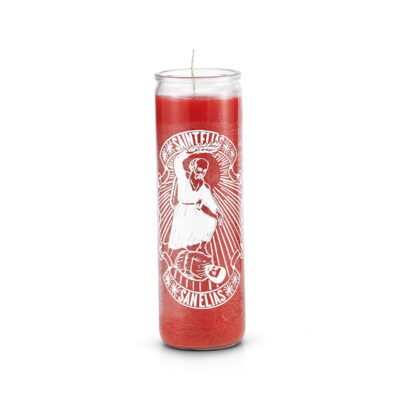
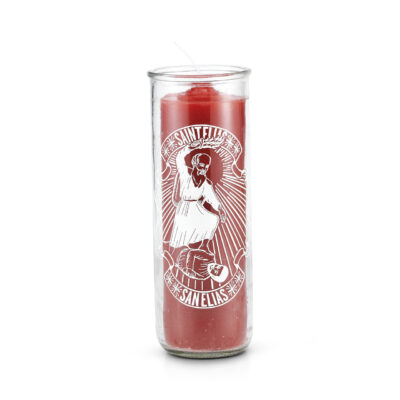
- Saint Elias (San Elias) Prayer Candle
- A black or white cloth
- Photos or written names of your beloved dead
- A glass of fresh water
- A small plate of herring, batata, or casabe
- A few fresh flowers
Lay the cloth on a quiet table and set the candle at its center. Arrange the photos or names around it, then add the water, the food, and the flowers. Light the candle and call the Baron first, since he is the one who opens the door. Then speak the names of your dead one by one, slowly and with love. Finish with:
Barón del Cementerio, you who keep the gate,
Carry my love to those I have lost, and let them rest in peace.
Sit in silence for a few minutes, then snuff the candle, and relight it only when you can stay nearby.
Oración al Barón del Cementerio (A Prayer to the Baron of the Cemetery)
Many devotees pray to the Baron in Spanish, the language of their grandmothers. Here is a simple prayer you can speak at his candle, in either language.
Barón del Cementerio, padre y dueño del camposanto,
Guardián de la puerta entre los vivos y los muertos.
Vengo ante ti con respeto y humildad.
Abre mis caminos, aparta a mis enemigos, y protege a los que amo.
Que los muertos descansen en paz, y que los vivos caminen en tu luz.
Así sea.
Baron of the Cemetery, father and owner of the burial ground,
Guardian of the door between the living and the dead.
I come before you with respect and humility.
Open my roads, turn away my enemies, and protect the ones I love.
May the dead rest in peace, and may the living walk in your light.
So be it.
What the Baron Teaches Us
The Baron laughs at death, and there is wisdom in that laughter. He reminds us that every life ends, and that this truth is not a reason for fear. It is a reason to live fully, love openly, and stop wasting time.
He also teaches respect. The dead are not gone. They are simply on the other side of the door, and they still deserve our care.
You can carry his lessons into ordinary days. Say the names of your ancestors out loud. Keep a glass of fresh water on your altar, and visit the graves of your family when you can, cleaning them with your own hands. Small acts of remembrance keep the road between worlds open and kind.
Frequently Asked Questions About the Barón del Cementerio
Are Baron del Cementerio and Baron Samedi the same spirit?
They are deeply connected, and many people treat them as the same spirit. Baron Samedi comes from Haitian Vodou, while the Barón del Cementerio is his name in Dominican Vudú, where he arrived through Haitian influence. Some houses see them as separate barons who share the work of the cemetery.
Is Baron Samedi evil?
No. The Baron rules death, but he is not evil. He is a protector of the dead, a healer of the sick, and a fair judge who helps those who approach him with respect.
Who is Baron Samedi's wife?
His wife is Maman Brigitte, also called the Baronesa. When the first grave in a cemetery belongs to a woman, she is said to rule that burial ground. Together, she and the Baron guard the dead.
What is the Barón del Cementerio used for?
Devotees ask the Barón del Cementerio for help with removing obstacles, breaking harmful spiritual work, protection from enemies, healing during serious illness, and peace for the dead. He is also asked for permission before any spiritual work is done in a cemetery.
Is the Barón del Cementerio part of Santería?
Not directly. He comes from Haitian Vodou and Dominican Vudú, not from the Lucumí tradition of Santería. Some people compare him to Oyá, the Orisha who guards the cemetery gates, but they are different spirits from different traditions.
What day of the week belongs to Baron Samedi?
Saturday belongs to him, which is where the name "Samedi" comes from. Many devotees light his candle on Saturdays. His biggest celebrations fall on November 1 and 2.
Why does Baron Samedi appear in movies and video games?
His striking image, with the top hat, dark glasses, and fearless laugh, has made him a favorite character in films, comic books, and games, including a famous James Bond movie. These portrayals are entertainment. To his devotees, he remains a sacred spirit deserving of respect.
The Keeper at the Gate
Every one of us will one day pass through the Baron's gate. His lesson is not to fear that moment, but to live well until it comes, and to honor those who walked the road before us. Light his candle with a humble heart, speak the names of your beloved dead, and trust that the keeper at the gate is watching over them, and over you.