7 Spiritual Things to Do for Lent Even If You Are Not Catholic
Lent is the forty-day season of reflection that leads to Easter in the Christian calendar. Traditionally observed by Catholics and many other Christians, it is a sacred time of fasting, prayer, and charity. The season mirrors the forty days Jesus spent in the desert, facing temptation and deepening his spiritual strength.
Even if you are not Catholic or do not celebrate Easter, Lent offers a powerful spiritual framework. It is a season built around intention, discipline, and renewal. In a world that moves quickly and loudly, Lent asks us to slow down and listen.
At its heart, Lent is about becoming more conscious. It is about noticing habits, releasing what no longer serves you, and cultivating peace. You do not need to belong to any particular tradition to benefit from that kind of reflection.
Below are seven spiritually grounded things you can do for Lent, whether you follow Christianity or walk your own sacred path.
1. Begin a Simple Daily Spiritual Practice for Lent
Lent is not about dramatic change. It is about steady devotion.
Choose one small ritual that you can sustain for forty days. This might be lighting a purple candle each evening, practicing five minutes of silent prayer, or offering a small bowl of water in gratitude each morning.
A 7 Day Purple Candle can become a visual reminder of your commitment. As you light it, whisper a quiet intention such as:
May this season refine my spirit and guide my steps.
Consistency matters more than intensity. A small daily act builds spiritual strength.
2. Give Up a Habit That Clouds Your Clarity
Fasting during Lent traditionally includes abstaining from meat on Fridays. Many people also give up sweets, alcohol, or other indulgences. The deeper purpose is not restriction for its own sake. It is awareness.
Ask yourself what habit drains your energy or distracts you from your higher self. It could be gossip, scrolling endlessly on your phone, overspending, or speaking harshly about yourself.
When you feel the urge to return to that habit, pause. Offer a short prayer instead. This conscious redirection turns denial into devotion.
Over time, you may discover that you are not losing something. You are gaining freedom.
3. Create a Sacred Space for Lenten Reflection
A sacred space invites stillness into your home. It does not need to be elaborate. Choose a quiet corner and place a small table or a cloth there.
Add meaningful objects such as:
- A 14 Day Purple Candle
- Frankincense Incense
- A small bowl of water
- Fresh flowers
Keep the space clean and intentional. Light the candle and incense when you pray or meditate. Return to this spot daily, even if only for a few minutes.
A sacred space becomes an anchor during Lent. It reminds you that spiritual growth deserves physical room in your life.
4. Practice Lenten Charity and Compassion
One of the pillars of Lent is almsgiving. Charity extends beyond financial donations. It includes generosity of spirit.
Choose a cause that matters to you. Support it with time, education, or resources. Offer kindness without expecting recognition. Speak gently where you once would have criticized.
You might also light a white candle and pray:
May my actions relieve suffering and bring hope where it is needed.
Charity during Lent transforms inner reflection into outward love.
5. Visualize and Embody Your Higher Self
Lent is a season of becoming.
Close your eyes and imagine the highest version of yourself. Notice how this person treats others. Observe how they respond to stress. Feel the calm authority in their presence.
Write down three qualities that define this higher self. Patience. Integrity. Courage. Then practice one of those qualities each week of Lent.
Spiritual growth is not abstract. It is lived through small, consistent choices.
6. Explore a Creative Devotion During the Forty Days
Creativity can become prayer.
Each day of Lent, take a photograph, write a short reflection, or sketch something that represents your spiritual journey. You do not need to be an artist. You only need to be honest.
Light a Blessing Candle before you begin and say:
May this creation deepen my connection to divine wisdom.
Over forty days, you will build a visible record of transformation. Creativity reveals truths that logic alone cannot reach.
7. Perform a Peace Candle Ritual for the World
Lent invites not only personal reflection but also collective healing. This peace ritual channels calm and compassion into the wider world.
Have these ingredients ready as you create your spell.
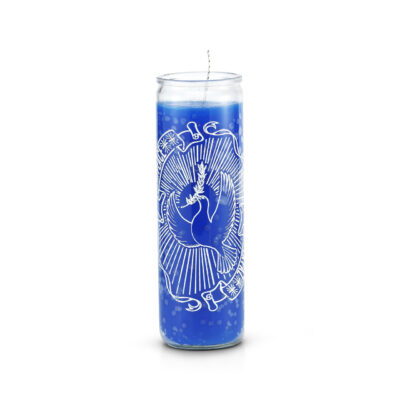
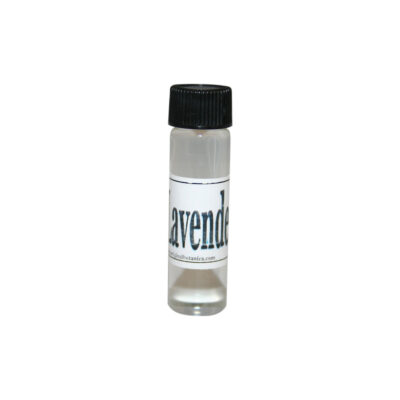
Place the white candle on your left and the blue candle on your right. Anoint each with Lavender Oil, moving clockwise from the center outward. Light the Jasmine Incense, then the white candle, and finally the blue candle.
Sit quietly and picture the earth surrounded by soft blue light. See conflict dissolving and relief flowing into troubled places. Say aloud:
Let peace settle upon every land. Let healing touch every heart. May compassion rise where there was once division.
Remain in meditation for several minutes. When you feel complete, snuff the candles gently. Give thanks and wash your hands in cool water to ground yourself.
Repeat this ritual weekly during Lent if you feel called.
Spiritual Growth During Lent for Non-Catholics
Lent is not reserved for one denomination. It is a sacred season of refinement. It teaches restraint without shame, devotion without pressure, and reflection without fear.
You may observe all seven practices or choose only one. What matters is intention.
Even lighting a single purple candle each week and sitting in silence can begin a quiet transformation.
Frequently Asked Questions About Observing Lent
Can I observe Lent if I am not a Christian?
Yes. The themes of discipline, reflection, and charity are universal. Approach the season with respect and sincerity.
Do I have to fast from food?
No. You may fast from a habit, distraction, or negative pattern instead.
When does Lent begin and end?
Lent begins on Ash Wednesday and lasts forty days, not counting Sundays, ending at Easter.
Is it necessary to attend church?
Not if you do not follow that tradition. Personal prayer, meditation, and ritual at home are meaningful ways to observe Lent.
What color candle is used for Lent?
Purple is traditionally associated with Lent. It symbolizes repentance, humility, and spiritual authority.
Lent is an invitation, not an obligation. It is a season that gently asks you to pause, look inward, and return to what is sacred. Whether through fasting, candle rituals, charity, or quiet reflection, each small act becomes a step toward clarity. In giving something up, you often discover something deeper waiting to be found.